
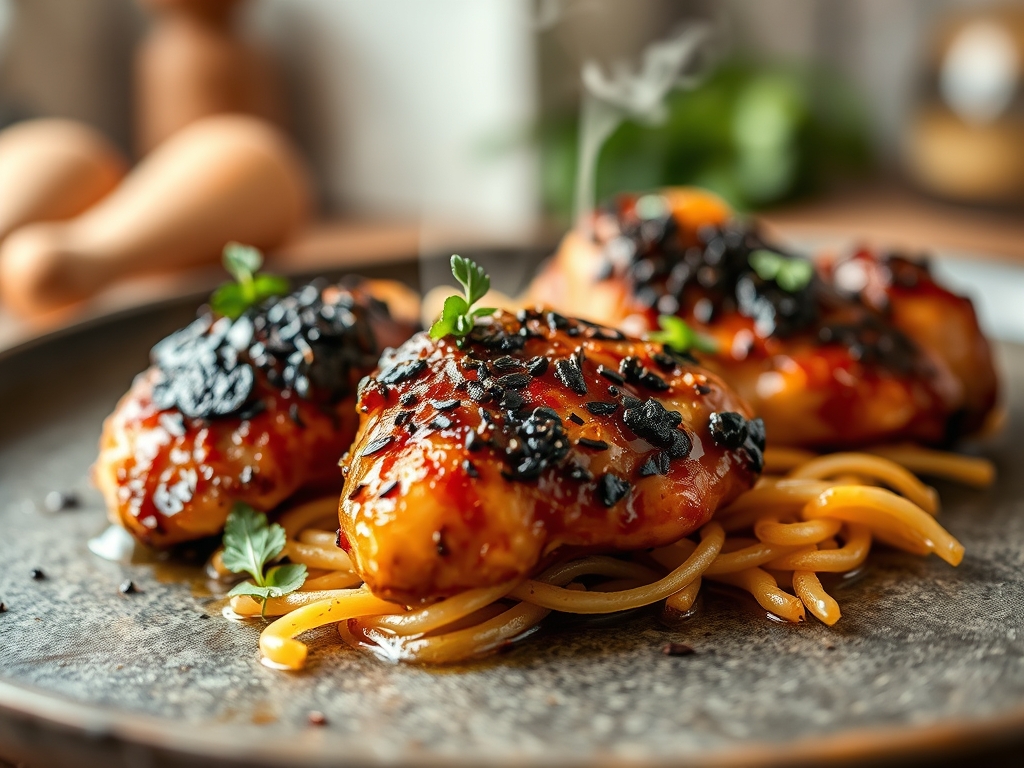
Imagine the sharp, floral sting of freshly cracked peppercorns hitting a searing hot pan. That electric scent is the siren song of these black pepper chicken recipes; a collection designed to move beyond the bland and into the realm of high-impact, restaurant-quality flavor. We are not just cooking dinner; we are mastering the art of the piquant glaze and the perfect sear.
This is the ultimate guide to nine variations of the dish that defines balance. Whether you crave the sticky, dark umami of a classic stir-fry or the creamy, peppercorn-crusted elegance of a French bistro plate, these black pepper chicken recipes leverage the chemical power of Piperine. This alkaloid provides the heat that lingers on the back of the palate, cutting through the richness of rendered chicken fat and sweet soy reductions. We are going to explore how to manipulate heat, texture, and acidity to create a meal that feels both comforting and sophisticated. Grab your heavy-bottomed skillet and let us get into the science of the sizzle.
The Gathers:
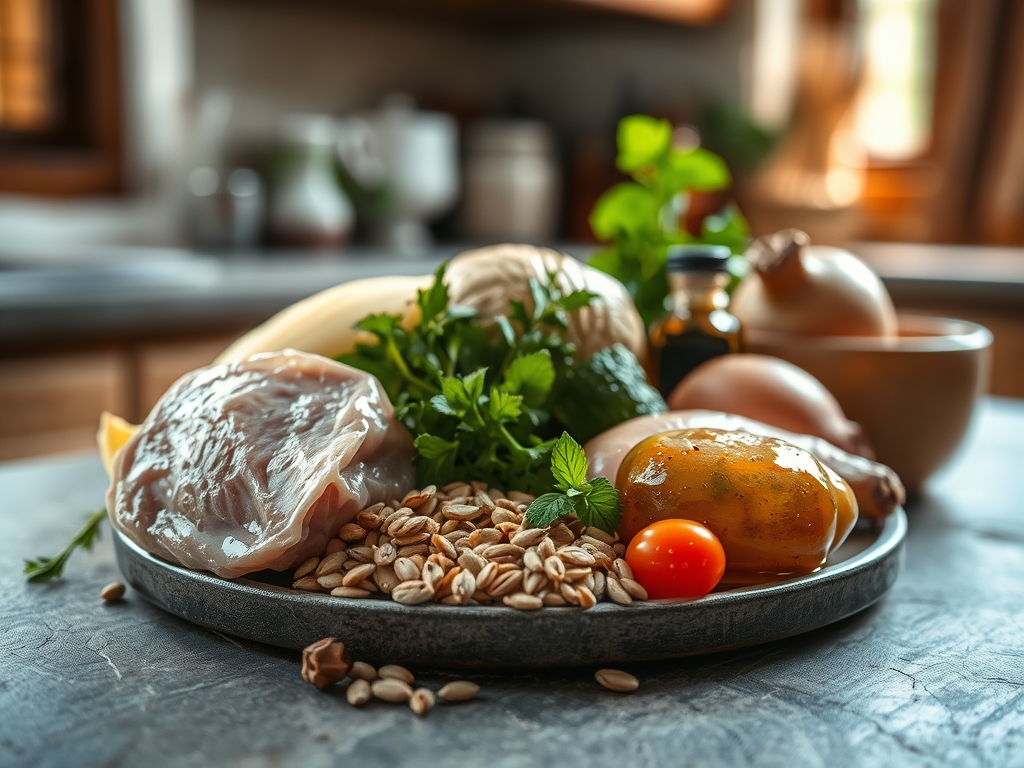
The secret to professional-grade black pepper chicken recipes lies in the mise-en-place. To achieve the signature viscous sauce, you need high-quality ingredients ready at your station. Start with 1.5 pounds of chicken thighs; the higher fat content ensures the meat remains succulent during high-heat stir-frying. You will need a digital scale to measure out 40 grams of whole black peppercorns. Avoid the pre-ground dust found in tins. You want the volatile oils found only in freshly cracked berries.
For the aromatic base, gather fresh ginger and garlic. Use a microplane to grate these into a fine paste; this increases the surface area, allowing the aromatics to melt into the oil rather than burning in large chunks. Your pantry staples should include dark soy sauce for color, light soy sauce for salinity, and Shaoxing wine or dry sherry to deglaze the pan. For "Smart Substitutions," use coconut aminos and arrowroot powder if you are following a Paleo or gluten-free protocol. If you lack a traditional wok, a cast-iron skillet is your best friend for maintaining the thermal mass required for a proper sear.
The Clock
Efficiency in the kitchen is about "Chef's Flow." For most black pepper chicken recipes, the active prep time is approximately 20 minutes, while the cooking process is a rapid 10 to 12 minutes. The goal is to minimize the time the chicken spends in the pan to prevent overcooking the protein fibers.
Start by marinating the chicken for at least 15 minutes. This is not just for flavor; the salt in the marinade denatures the proteins, allowing them to retain more moisture during the intense heat of the stir-fry. While the chicken rests, chop your aromatics and whisk your sauce components. By the time your skillet reaches the smoke point, your entire workspace should be clear of clutter, leaving only your tongs and a bench scraper for quick cleanup.
The Masterclass:
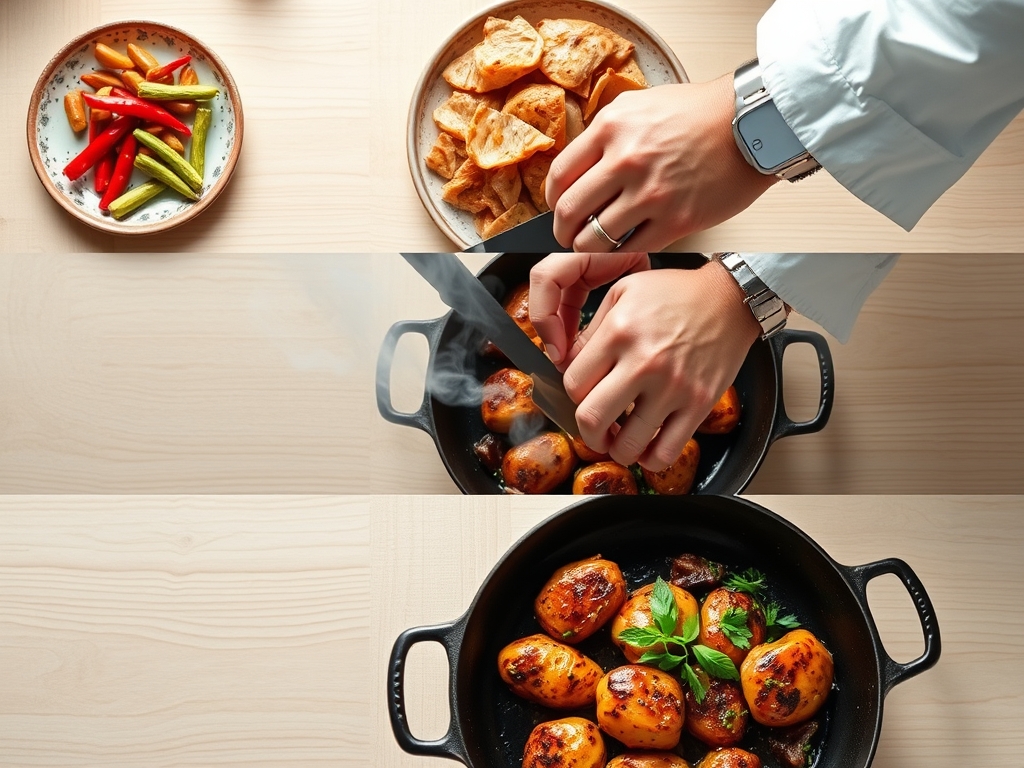
1. The Peppercorn Toast
Place your whole peppercorns in a dry saucier or skillet over medium heat. Toast them until they become fragrant and slightly oily. This process awakens the essential oils that have been dormant in the dried berry. Once toasted, use a mortar and pestle to achieve a coarse grind.
Pro Tip: This is known as thermal activation. Toasting the spice changes the flavor profile from raw and biting to earthy and complex by moving the oils to the surface.
2. The Velvet Marinate
Toss your chicken pieces with a splash of soy sauce, a pinch of baking soda, and cornstarch. This Chinese technique, known as velveting, creates a protective barrier around the meat.
Pro Tip: The baking soda raises the pH level on the surface of the chicken, which inhibits the proteins from bonding too tightly. This results in a silky, tender texture even under high heat.
3. The High-Heat Sear
Heat your oil until it shimmers. Add the chicken in a single layer, resisting the urge to stir immediately. Let the meat develop a deep, golden-brown crust before flipping.
Pro Tip: This is the Maillard reaction in action. By allowing the chicken to sit undisturbed, the amino acids and reducing sugars rearrange to create hundreds of new flavor compounds.
4. The Aromatic Infusion
Push the chicken to the edges of the pan and drop your ginger, garlic, and the bulk of your cracked pepper into the center. Stir for exactly 30 seconds until the scent fills the room.
Pro Tip: This is called blooming the spices. Fat is a highly efficient carrier of flavor; by frying the aromatics briefly, you infuse the cooking oil with their essence before the liquid ingredients are added.
5. The Deglaze and Emulsify
Pour in your sauce mixture (soy, wine, and a touch of sugar). Use a wooden spoon to scrape up the browned bits (the fond) from the bottom of the pan. Stir vigorously as the sauce bubbles and thickens.
Pro Tip: As the liquid reduces, the starch from the velveted chicken helps to emulsify the fats and liquids, creating a glossy, viscous coating that clings to every piece of meat.
The Deep Dive:
When analyzing the nutrition of black pepper chicken recipes, you are looking at a high-protein, moderate-fat profile. A standard serving contains roughly 350 calories, with 35 grams of protein and 12 grams of carbohydrates. To make this Keto-friendly, swap the sugar for erythritol and the cornstarch for xanthan gum. For a vegan version, firm tofu or seitan provides an excellent canvas for the aggressive pepper sauce; just ensure you press the tofu thoroughly to allow for maximum sauce absorption.
"The Fix-It" section covers common hurdles. If your sauce is too salty, add a splash of rice vinegar or lime juice; the acidity will balance the sodium. If the pepper is too overwhelming, a teaspoon of honey or brown sugar will mellow the bite. If your chicken is tough, you likely skipped the velveting step or overcrowded the pan, causing the meat to steam rather than sear.
For meal prep, black pepper chicken is a champion. To maintain "day-one" quality, reheat the chicken in a skillet with a tablespoon of water rather than using a microwave. This prevents the proteins from becoming rubbery and helps to aerate the sauce, restoring its original silkiness.
The Wrap-Up
Mastering black pepper chicken recipes is a rite of passage for any home cook looking to bring bold, restaurant-style energy to their kitchen. By understanding the chemistry of peppercorn activation and the physics of a perfect sear, you have transformed simple ingredients into a masterpiece of flavor. Don't be afraid to experiment with the heat levels or add colorful bell peppers for a crunchier texture. Now, clear the table, pour a cold drink, and enjoy the fruits of your scientific labor. Your kitchen has never smelled this good!
The Kitchen Table:
Why is my black pepper chicken sauce too thin?
Your sauce likely lacked enough starch or didn't reduce sufficiently. To fix this, simmer the sauce for an extra two minutes or add a tiny cornstarch slurry to help it emulsify and reach a viscous consistency.
Can I use pre-ground black pepper for these recipes?
You can, but the flavor will be flat. Freshly cracked peppercorns contain volatile oils that provide a floral, complex heat. Pre-ground pepper often loses these oils, resulting in a one-dimensional, dusty spice profile.
How do I make the chicken extra crispy?
Ensure your chicken is patted dry before the velveting process. Use a heavy-bottomed skillet to maintain high heat and avoid overcrowding the pan. Overcrowding drops the temperature, causing the chicken to steam instead of developing a Maillard crust.
Is black pepper chicken supposed to be very spicy?
The heat in black pepper chicken recipes comes from piperine, which is a "slow" heat compared to chili peppers. You can control the intensity by adjusting the amount of toasted peppercorns used during the infusion stage.