
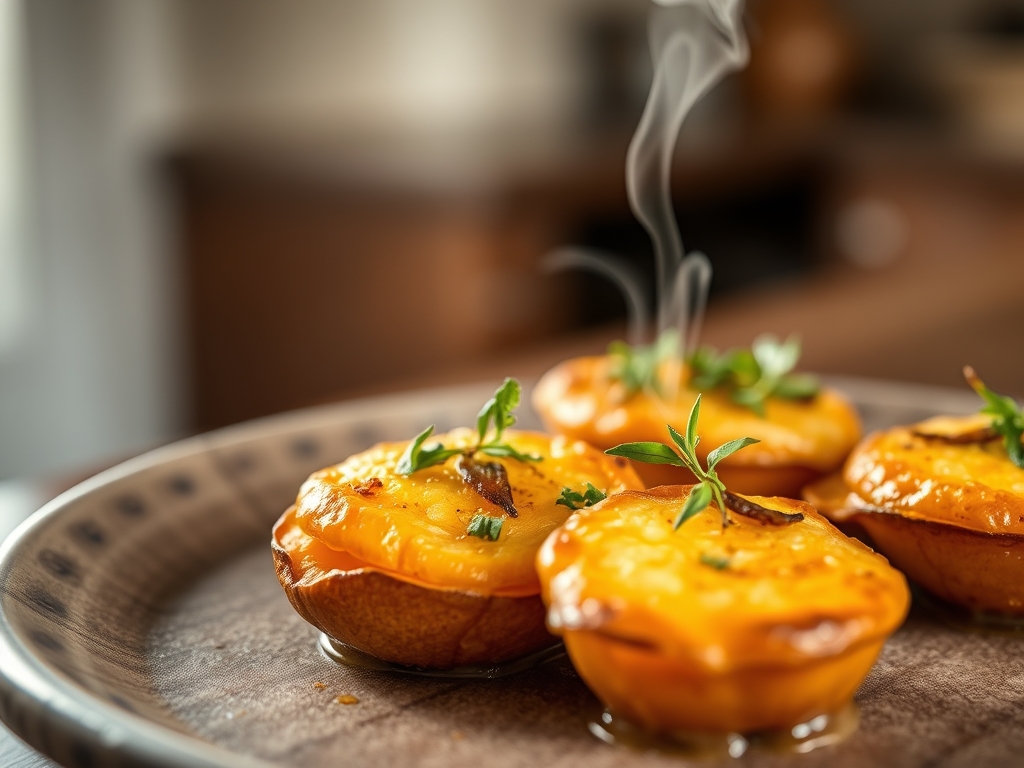
Imagine the sound of a sharp chef's knife slicing through a dense, orange tuber; it is a crisp, rhythmic snap that promises a feast for the senses. As the oven preheats, the air fills with the scent of toasted nutmeg and bubbling cream. Mastering scalloped sweet potato recipes is not just about dinner; it is about engineering the perfect bite of autumnal comfort.
When we talk about the ultimate side dish, we are looking for that specific intersection of velvet texture and caramelized edges. Most people settle for mushy casseroles, but you and I are going to aim for architectural elegance. We want layers so thin they become translucent, bathed in a sauce that defies the laws of separation. By understanding the starch structures and the way heat interacts with natural sugars, we can transform a humble root vegetable into a centerpiece that demands a standing ovation. This is where high-end culinary technique meets the warmth of a home kitchen. We are going to build a dish that is structurally sound, flavor-dense, and visually stunning. Grab your favorite apron and clear off the marble slab; we are about to dive into the beautiful, bubbling science of the perfect roast.
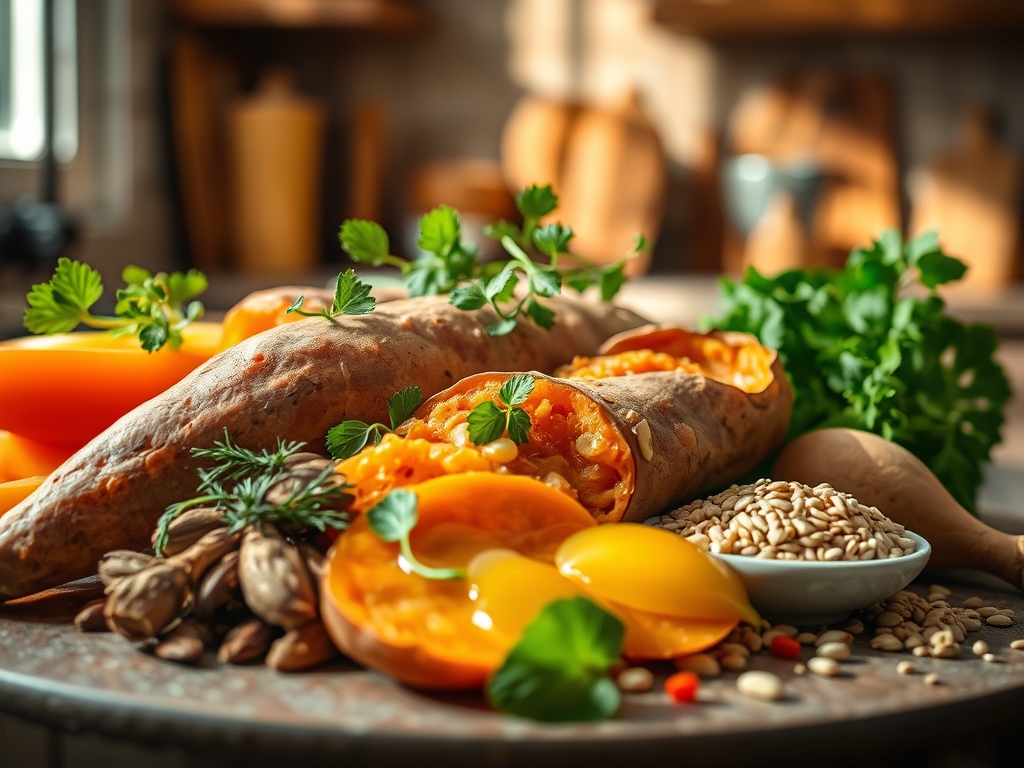
The Gathers:
To achieve a professional result, your mise-en-place must be precise. We are not just tossing things in a bowl; we are selecting ingredients for their chemical contributions to the final bake.
- Sweet Potatoes: You need four large, firm Garnet or Jewel varieties. These possess a high sugar content which is essential for the Maillard reaction. Use a digital scale to ensure you have exactly three pounds.
- Heavy Cream: We require a high-fat content (at least 36 percent) to create a viscous sauce that will not break under high heat.
- Gruyere and Parmesan: These cheeses provide a piquant saltiness and the necessary proteins to create a golden crust.
- Fresh Thyme and Garlic: We will infuse these into the cream to distribute flavor evenly.
- Salt and White Pepper: White pepper is used to maintain a clean visual aesthetic without black flecks.
Smart Substitutions:
If you need to pivot, swap the heavy cream for full-fat coconut milk for a dairy-free profile that still offers a rich mouthfeel. If Gruyere is unavailable, a sharp white cheddar works beautifully, though it has a lower melting point and may render more oil. For a nutty crunch, a handful of toasted pecans added in the final ten minutes provides a textural contrast that mimics the classic marshmallow topping without the cloying sweetness.
The Clock
Efficiency in the kitchen is all about "Chef's Flow." Expect about 25 minutes of active prep time, primarily focused on the precision slicing of the potatoes. The bake time will take approximately 55 to 65 minutes, depending on the calibration of your oven.
The total "commitment" is roughly an hour and a half. However, the beauty of this dish lies in the resting period. You must allow at least 15 minutes of "static time" after the roast leaves the oven. This allows the starches to reabsorb the liquid, ensuring that when you slice into the roast, it holds its shape rather than collapsing into a puddle of cream.
The Masterclass
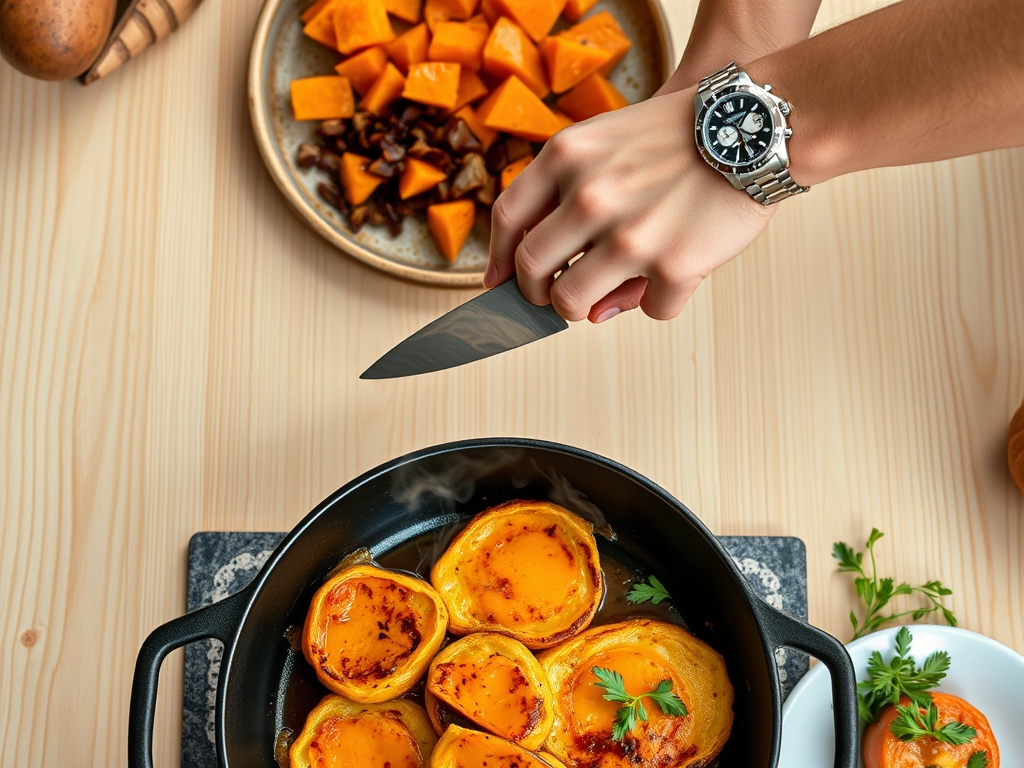
1. Precision Slicing with the Mandoline
Peel your potatoes and use a mandoline to slice them into uniform 1/8-inch rounds. Consistency is the key to even cooking; if the slices vary in thickness, some will turn to puree while others remain unpleasantly al dente.
Pro Tip: Uniformity prevents enzymatic browning. By slicing quickly and keeping the pieces uniform, you ensure they cook at the same rate, preventing the oxidation that occurs when cellular structures are exposed to oxygen for too long.
2. The Cream Infusion
In a saucier, combine your heavy cream, smashed garlic cloves, and thyme sprigs. Heat over medium until tiny bubbles form around the edges. Do not let it reach a rolling boil. Remove from heat and let it steep for ten minutes.
Pro Tip: This process uses thermal infusion to extract essential oils from the herbs and aromatics. Steeping ensures the flavor is molecularly bonded to the fat in the cream, providing a consistent taste in every bite.
3. Layering for Architecture
Grease a ceramic baking dish. Arrange the potato slices in overlapping rows, slightly tilted. Sprinkle a light layer of salt, pepper, and shredded cheese between every two layers of potatoes.
Pro Tip: Overlapping the slices creates a structural "shingle" effect. This increases the surface area exposed to the cream, allowing for better osmotic exchange where the potatoes release moisture and absorb the seasoned fats.
4. The First Bake
Strain the infused cream through a fine-mesh sieve over the potatoes. Cover the dish tightly with foil. This creates a steam chamber that softens the cellulose in the potatoes without drying them out.
Pro Tip: Covering the dish manages evaporative cooling. By trapping the steam, you ensure the internal temperature rises quickly enough to break down tough starches before the edges burn.
5. The Uncovered Gratin
Remove the foil and sprinkle the remaining cheese over the top. Return to the oven at 400 degrees Fahrenheit. Watch for the cheese to bubble and develop deep brown spots.
Pro Tip: This stage triggers the Maillard reaction. The amino acids in the cheese and the sugars in the sweet potato react under direct heat to create hundreds of new flavor compounds and a characteristic golden-brown color.
6. The Essential Rest
Remove the dish from the oven and place it on a wire rack. Let it sit for 15 minutes. This is the hardest part, but it is the most critical for the final texture.
Pro Tip: This utilizes thermal carryover. The internal temperature will continue to rise by about five degrees, finishing the cooking process while the sauce thickens as it cools, achieving a perfect viscosity.
The Deep Dive
Macro Nutrition:
A standard serving provides a dense source of Vitamin A and potassium. While rich in fats from the cream, the complex carbohydrates in the sweet potatoes offer a slower glucose release than white potatoes.
Dietary Swaps:
- Vegan: Use cashew cream and nutritional yeast for that "cheesy" umami.
- Keto: Substitute half the sweet potatoes with radishes or turnips to lower the net carb count.
- GF: This recipe is naturally gluten-free, provided you do not use a flour-based roux for the sauce.
The Fix-It:
- Curdled Sauce: This happens if the heat is too high or the cream is too thin. Fix it by adding a splash of cold cream and gently stirring the top layer.
- Hard Potatoes: Usually caused by uneven slicing. Cover with foil and add ten minutes to the bake time.
- Greasy Top: This occurs if the cheese breaks. Blot gently with a paper towel and finish with a sprinkle of fresh breadcrumbs to absorb excess oil.
Meal Prep:
To reheat, avoid the microwave as it turns the potatoes rubbery. Use an oven at 350 degrees Fahrenheit. The science of retrogradation means the starches will have firmed up overnight; a splash of milk before reheating will restore the original creamy texture.
The Wrap-Up
There you have it; a masterclass in the art of the tuber. Scalloped sweet potato recipes are the ultimate test of a cook's patience and precision, but the reward is a dish that feels like a warm hug in a ceramic bowl. Whether you are serving this at a holiday gala or a cozy Tuesday night dinner, you now have the technical "know-how" to make it flawless every single time. Go forth and caramelize!
The Kitchen Table
Can I make scalloped sweet potatoes ahead of time?
Yes. Assemble and bake the dish a day early. Keep it covered in the fridge. Reheat in a 350 degree oven until the internal temperature reaches 165 degrees to ensure the sauce becomes viscous again.
Why is my sauce watery?
This usually happens if the potatoes were not dried after washing or if the cream had a low fat content. High-fat cream is essential for a stable emulsification that clings to the potato slices during the bake.
Do I need to peel the sweet potatoes?
While the skin is edible, peeling is recommended for scalloped recipes. Removing the skin allows for a more uniform texture and ensures the cream can penetrate the flesh of the potato without a fibrous barrier.
What is the best cheese for a golden crust?
Gruyere is the gold standard because it has a high fat-to-protein ratio. This allows it to melt smoothly and brown beautifully without becoming "stringy" or tough, providing a professional piquant finish to the roast.