
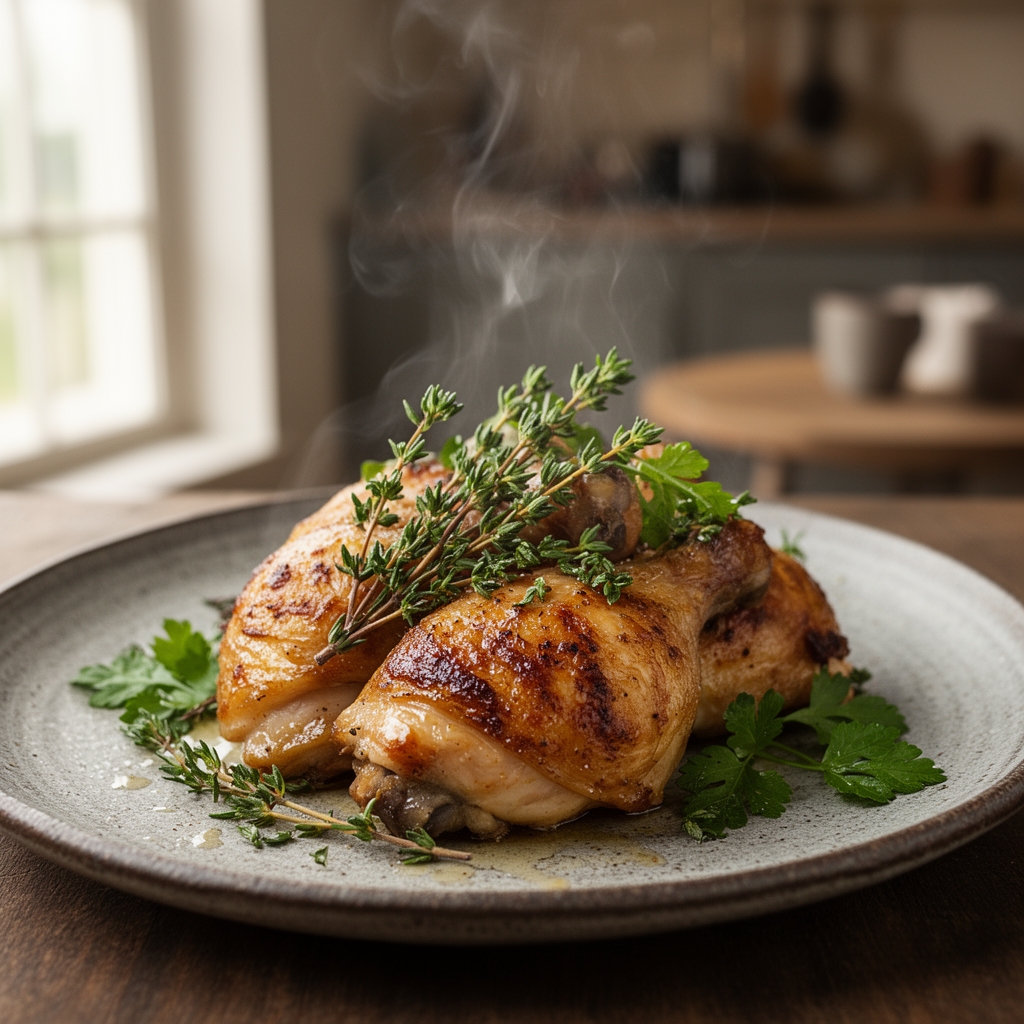
The scent of gently poached chicken breast, tender and falling apart at the touch of a fork, fills the kitchen as steam rises from the pot. This is not your weeknight dinner; this is a fresh, nutritious meal for your four-legged companion. When you commit to making chicken recipes dogs actually enjoy and benefit from, you shift from commercial kibble dependency to control over every ingredient, every texture, every nutrient that enters their bowl. The difference is immediate: shinier coats, improved digestion, and a tail that won't stop wagging at mealtime.
Dogs thrive on simple, whole-food nutrition. Chicken provides high-quality protein, essential amino acids, and digestibility rates near 90%, making it the gold standard for canine meals. Unlike heavily processed foods, home-cooked chicken recipes dogs love allow you to omit preservatives, artificial flavors, and mystery meat by-products. You see exactly what goes in. These eight recipes range from basic poached chicken and rice to nutrient-dense stews with vegetables, each calibrated for safety, palatability, and nutritional completeness. No garlic, no onions, no excessive salt. Just clean protein, healthy fats, and dog-safe carbohydrates that fuel energy without digestive distress.
The Gathers
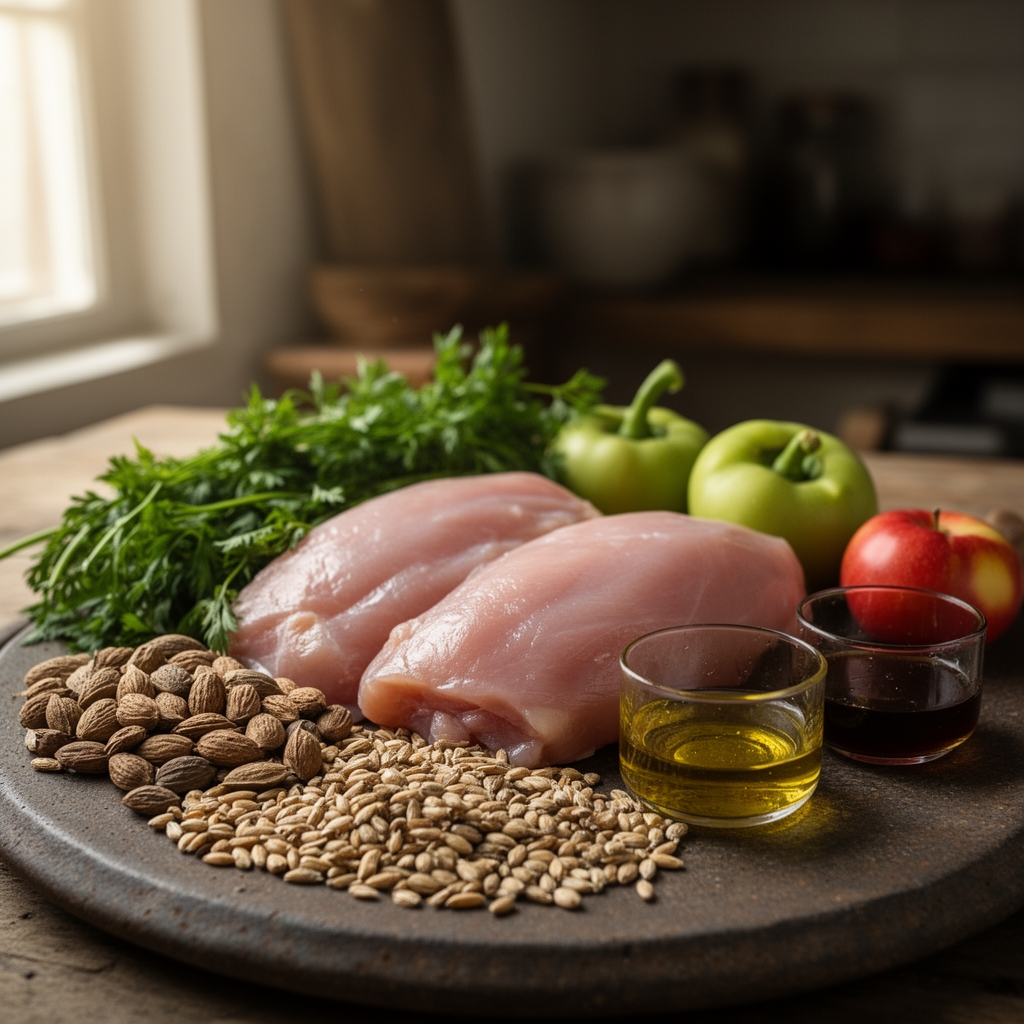
As you see in the ingredient spread below, simplicity reigns. Boneless, skinless chicken breast or thighs form the protein base. Thighs deliver more fat (around 8 g per 100 g versus 3 g for breast), boosting flavor and caloric density for active dogs. White or brown rice serves as the carbohydrate anchor, cooked until soft and easily digestible. Carrots, green beans, and sweet potato add fiber, beta-carotene, and minerals; peel and dice them into small, uniform pieces to ensure even cooking.
Chicken bone broth (store-bought, low-sodium, or homemade) enriches the stew with collagen and glucosamine, supporting joint health. A teaspoon of coconut oil or flaxseed oil per serving introduces omega fatty acids for skin and coat. Avoid butter, which many dogs tolerate poorly due to lactose. Fresh parsley (optional, finely chopped) adds a trace of vitamin K and freshens breath.
Smart Substitutions: Swap chicken for turkey if your dog has poultry sensitivities. Replace rice with quinoa for a protein boost or pumpkin puree for dogs with sensitive stomachs. If your dog is grain-free, use diced zucchini or cauliflower rice as the carbohydrate.
The Clock
Prep Time: 15 minutes (washing, peeling, dicing vegetables and portioning chicken).
Cook Time: 30 minutes (poaching chicken, simmering vegetables, combining ingredients).
Total Time: 45 minutes for a single large batch (6–8 servings, depending on dog size).
Chef's Flow: While chicken poaches in a wide pot (more surface area equals faster, even cooking), prep your vegetables. The moment chicken reaches 74°C (165°F) internal temperature, pull it to rest and use the same pot for vegetables. This layered workflow eliminates downtime and keeps your stovetop tidy.
The Masterclass
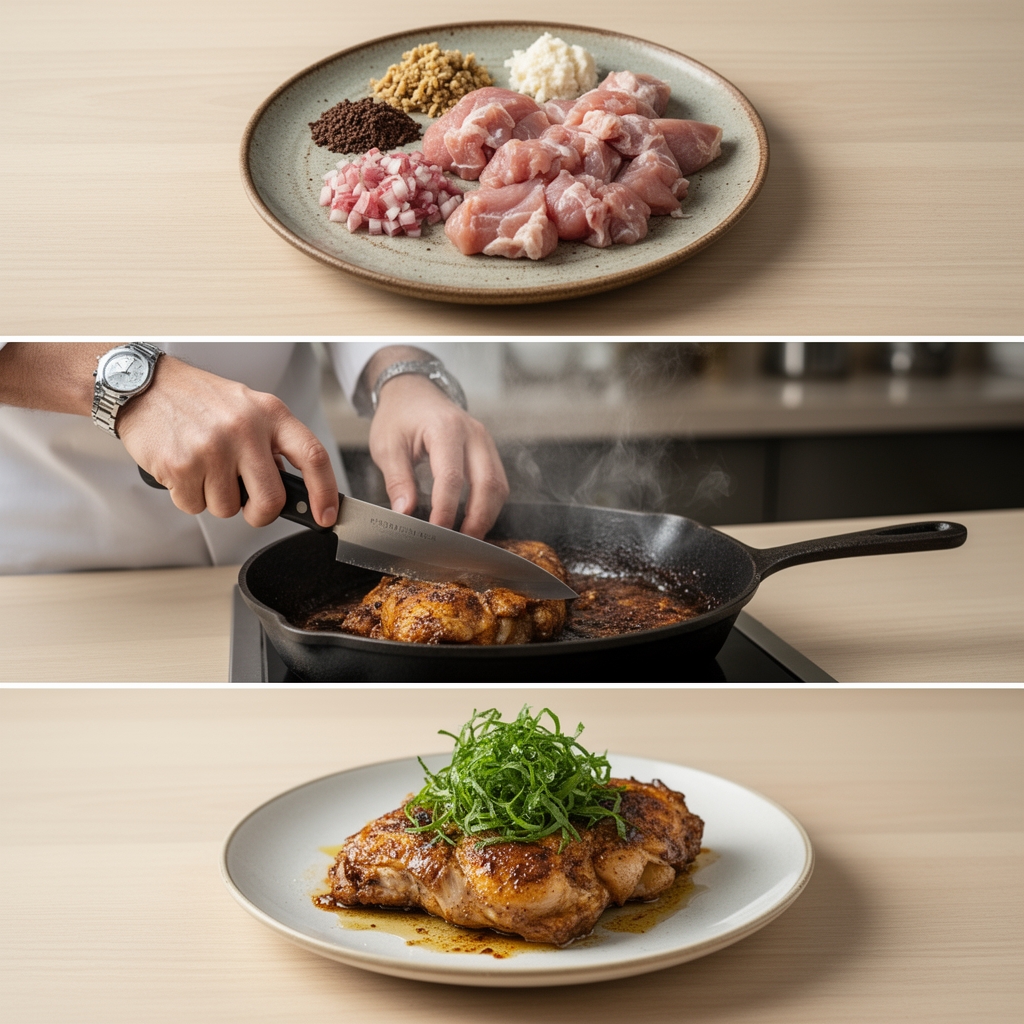
Step 1: Poach the Chicken
Place 500 g of chicken in a pot, cover with cold water by 3 cm, and bring to a gentle simmer over medium heat. Do not boil aggressively; violent bubbles toughen protein fibers. Cook for 12 to 15 minutes until the internal temperature reads 74°C (165°F).
Chef's Secret: Starting with cold water allows the chicken to heat gradually, ensuring even cooking and preventing rubbery edges. The Maillard reaction does not occur here (no browning), but myoglobin denatures cleanly, leaving pale, tender meat.
Step 2: Shred and Reserve
Remove chicken, let it rest for 5 minutes, then shred using two forks. Reserve the poaching liquid; it is now a collagen-rich broth.
Why It Works: Resting allows juices to redistribute. Shredding increases surface area, making it easier for dogs to chew and digest.
Step 3: Cook the Vegetables
In the same pot, add 200 g diced carrots, 100 g green beans, and 150 g diced sweet potato. Pour in enough reserved broth to cover. Simmer for 12 to 15 minutes until vegetables are fork-tender.
Chef's Secret: Uniform dice (1 cm) ensures all vegetables finish simultaneously. Overcooking depletes water-soluble vitamins (B and C), so pull them just as they yield to a fork.
Step 4: Combine Rice
Stir in 300 g cooked white or brown rice (cooked separately in plain water, no salt). Mix thoroughly with shredded chicken and vegetables.
Why It Works: Cooking rice separately prevents it from absorbing all the broth, which would leave the meal dry. Dogs need moisture for palatability and digestion.
Step 5: Add Fats and Cool
Stir in 1 to 2 teaspoons of coconut or flaxseed oil per serving. Let the mixture cool to room temperature before serving.
Chef's Secret: Adding oil off-heat preserves fragile omega-3 fatty acids, which degrade above 180°C (356°F).
Step 6: Portion and Store
Divide into individual portions based on your dog's weight. A 10 kg dog typically requires 200 to 300 g per meal, depending on activity level.
Why It Works: Pre-portioning prevents overfeeding and simplifies mealtime routines.
Step 7: Serve and Observe
Note the texture shown in the step-by-step photos: moist, cohesive, and aromatic. Serve at room temperature or slightly warm. Never serve hot, as dogs have sensitive mouths.
Chef's Secret: Room temperature releases aroma compounds more effectively than cold food, stimulating appetite.
Step 8: Rotate Proteins and Vegetables
Alternate chicken with turkey, lean beef, or white fish weekly. Rotate vegetables to provide a spectrum of phytonutrients.
Why It Works: Dietary variety reduces the risk of food sensitivities and nutritional gaps.
Nutritional Info
Per 250 g serving: approximately 220 kcal, 22 g protein, 7 g fat, 18 g carbohydrates, 3 g fiber. Protein supports muscle maintenance, fat fuels energy, and fiber promotes healthy digestion. This macro split suits most adult dogs at maintenance weight.
Dietary Swaps
Grain-Free: Replace rice with mashed sweet potato or butternut squash. Maintain the same 1:1:1 ratio (protein:carb:vegetable by volume).
Low-Fat: Use chicken breast exclusively and reduce oil to 1/2 teaspoon per serving for dogs with pancreatitis history.
High-Calorie: Substitute chicken thighs, double the oil, and add a tablespoon of plain, unsweetened peanut butter (xylitol-free) per serving for underweight or highly active dogs.
Serving & Presentation
- The Bowl Build: Layer rice on the bottom, top with shredded chicken, then scatter vegetables. Drizzle with a spoonful of warm broth for visual appeal and aroma.
- The Frozen Kong: Pack the mixture into a Kong toy and freeze for 2 hours. This turns mealtime into mental enrichment.
- The Training Treat: Roll small portions into marble-sized balls, bake at 160°C (320°F) for 15 minutes until firm, then use as high-value training rewards.
The Pro-Dodge
Pitfall 1: Underseasoning leads to bland meals dogs refuse.
Fix: Dogs have fewer taste buds than humans but respond to aroma. Boost it with a splash of bone broth or a pinch of turmeric (anti-inflammatory, safe in small doses).
Pitfall 2: Serving too hot causes mouth burns and food rejection.
Fix: Test temperature with your finger; it should feel lukewarm, around 35°C (95°F).
Pitfall 3: Overfeeding causes obesity and joint stress.
Fix: Calculate daily caloric needs (typically 30 kcal per kg of body weight for sedentary dogs, 50 kcal for active dogs) and portion accordingly.
The Meal Prep Corner
Store in airtight glass or BPA-free plastic containers. Refrigerate for up to 4 days or freeze for up to 3 months. To reheat, microwave in 20-second intervals, stirring between, until just warm (never hot). Add a tablespoon of warm water to restore moisture lost during storage. Frozen portions thaw overnight in the refrigerator; this slow thaw preserves texture better than rapid microwave defrosting.
The Wrap-Up
You have just stepped into a space where chicken recipes dogs devour become an extension of your care, not a chore. Each ingredient serves a purpose: protein for muscle, fat for energy, vegetables for vitamins, and broth for hydration. This is not gourmet theater; it is functional nutrition executed with precision. Your dog cannot articulate gratitude, but their energy, coat quality, and enthusiasm at mealtime will. Cook these meals, observe the changes, and join the community of pet owners who refuse to settle for mystery ingredients.
The Kitchen Table
Q: Can I use rotisserie chicken for convenience?
A: Yes, but remove all skin and bones, and rinse the meat to eliminate excess salt and seasoning. Most rotisserie chickens contain 400 to 600 mg sodium per 100 g, which is too high for regular canine consumption.
Q: How do I know if my dog is allergic to chicken?
A: Watch for itching, ear infections, gastrointestinal upset, or excessive licking within 24 to 48 hours of feeding. Consult your veterinarian and consider an elimination diet trial with a novel protein like duck or venison.
Q: Is raw chicken safer than cooked?
A: No. Raw chicken carries Salmonella and Campylobacter risks for both dogs and humans. Cooking to 74°C (165°F) eliminates these pathogens without sacrificing digestibility.
Q: Can puppies eat these recipes?
A: Yes, but puppies require higher protein and fat. Increase chicken by 25% and add an extra teaspoon of oil per serving. Consult your vet to ensure calcium and phosphorus ratios support bone growth.
Q: What if my dog refuses the meal?
A: Warm it slightly to release aroma, mix in a teaspoon of plain Greek yogurt (if lactose-tolerant), or top with a crumbled dog-safe treat. Persistence and gradual transition from kibble to fresh food often resolve initial reluctance.