
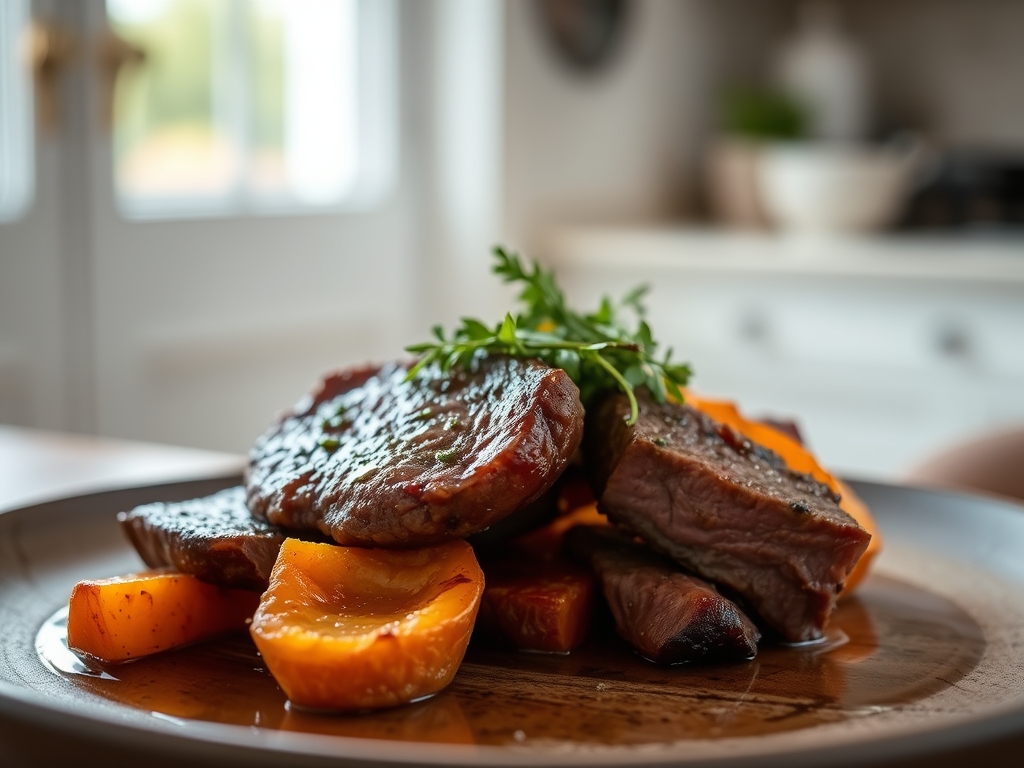
Picture the scene: your kitchen is filled with the intoxicating scent of rendering beef fat and the earthy, caramelizing sugars of a roasting yam. Finding the perfect balance between a high protein sear and a complex carbohydrate base is the ultimate culinary win. These steak and sweet potato recipes are not just about feeding your hunger; they are about mastering the chemistry of a perfect crust and a creamy, velvet interior. Whether you are prepping for a high performance week or hosting a cozy dinner, this pairing offers a nutritional profile that is as robust as its flavor. We are diving deep into the mechanics of the Maillard reaction and the science of starch gelatinization to ensure every bite is a masterpiece of texture and taste.
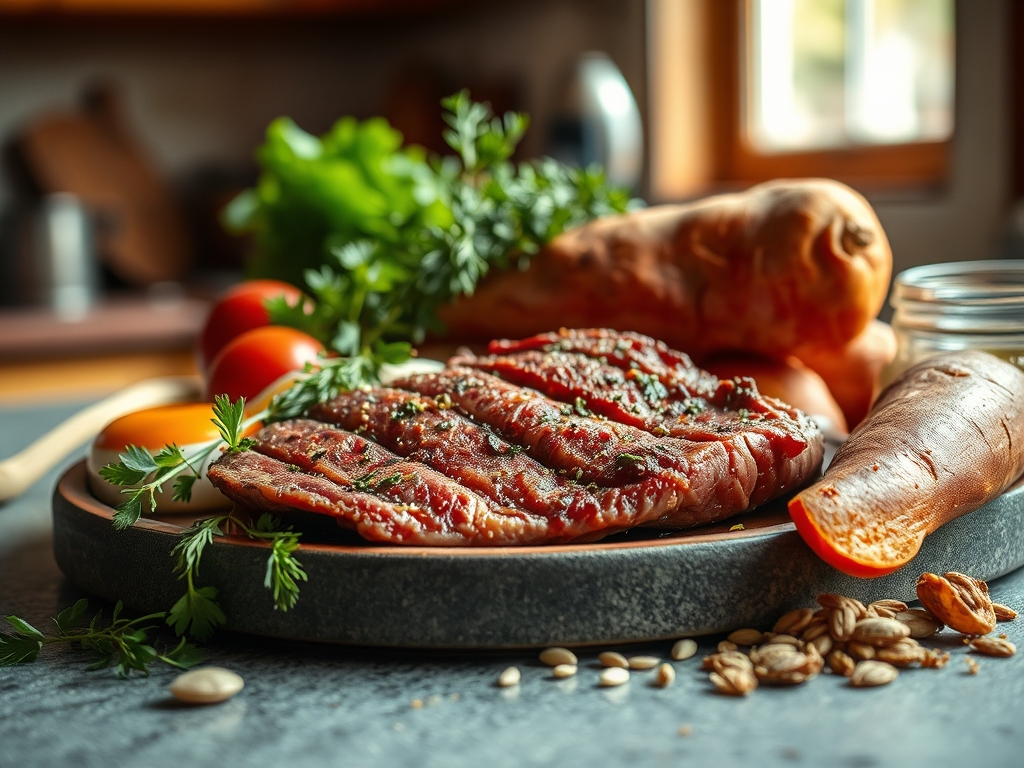
The Gathers:
To execute these steak and sweet potato recipes with precision, your mise-en-place must be impeccable. Start with the protein: look for a highly marbled ribeye or a dense New York strip at room temperature. The intramuscular fat is vital; it will render into a liquid gold that bastes the meat from within. For the potatoes, select Garnet or Jewel varieties. These possess the high sugar content necessary for deep caramelization.
You will need a heavy-bottomed skillet, preferably cast iron, to maintain high thermal mass. Grab your digital scale to ensure your spice rubs are balanced to the gram. You will also need high-smoke-point fats like avocado oil or clarified butter (ghee) to prevent the acrid taste of burnt lipids.
Smart Substitutions:
- The Protein: If you are avoiding red meat, a thick-cut cauliflower steak or a firm block of tempeh works beautifully. Use a saucier to create a mushroom-based "jus" to mimic the umami of beef.
- The Starch: If sweet potatoes are too sweet for your palate, swap them for Japanese yams. They have a starchier, chestnut-like flavor and a more viscous texture when roasted.
- The Acid: Instead of lemon juice, use a microplane to zest a lime or use a splash of piquant sherry vinegar to cut through the richness of the fat.
The Clock
Efficiency in the kitchen is all about "Chef's Flow." Total active prep time for these recipes is approximately 20 minutes, with a cook time of 25 to 30 minutes depending on your desired steak doneness.
The flow begins with the potatoes. Because they require a higher duration of heat to break down complex starches into simple sugars, they must hit the oven first. While the oven's convection currents do the heavy lifting, you focus on the steak. This overlapping timeline ensures that the meat finishes resting exactly as the potatoes reach their peak Maillard reaction stage. Use this "dead time" to clean your bench scraper and prep a fresh chimichurri or compound butter.
The Masterclass
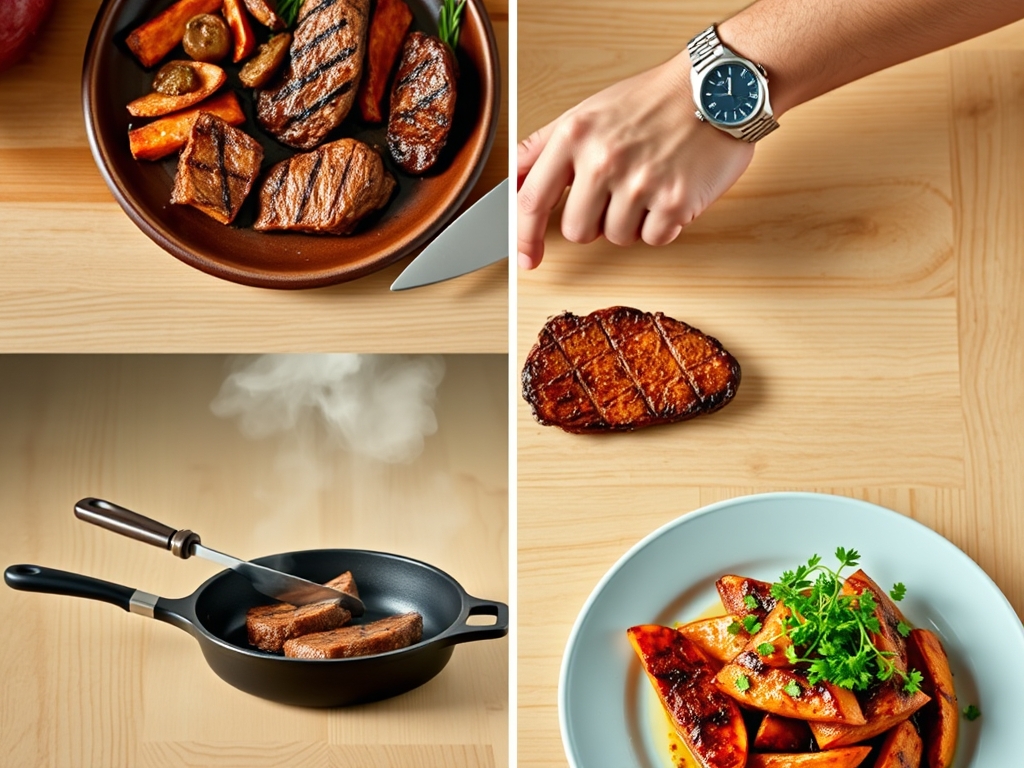
1. The Pre-Heat and Starch Prep
Begin by cubing your sweet potatoes into uniform one-inch pieces. Toss them in a bowl with high-heat oil and a generous pinch of kosher salt. Spread them on a pre-heated sheet pan.
Pro Tip: This is called enzymatic browning. By starting the potatoes on a hot pan, you immediately shock the surface cells, creating a crisp exterior "skin" that traps moisture inside for a fluffy center.
2. Tempering the Protein
Remove your steak from the refrigerator at least 30 minutes before cooking. Pat the surface bone-dry with paper towels. Moisture is the enemy of a good sear; any surface water will turn to steam and prevent the crust from forming.
Pro Tip: This prevents thermal shock. A cold steak in a hot pan causes fibers to contract violently, squeezing out juices and leaving you with a tough, grey piece of meat.
3. The High-Sear Execution
Heat your cast iron until it is wisping light smoke. Lay the steak away from you to avoid oil splatter. Press down lightly with tongs to ensure full surface contact.
Pro Tip: This triggers the Maillard reaction, a chemical reaction between amino acids and reducing sugars that gives browned food its distinctive flavor. Without high heat, you lose the complex, savory notes that define a professional steak.
4. The Butter Baste and Infusion
Once you flip the steak, drop in two tablespoons of butter, crushed garlic, and rosemary. Tilt the pan and use a large spoon to continuously bathe the steak in the foaming fat.
Pro Tip: This is convection cooking within a liquid medium. The hot butter reaches the crevices the pan surface cannot, while the fat absorbs the fat-soluble compounds in the herbs to infuse the meat with aromatics.
5. The Carryover Rest
Transfer the steak to a warm plate or cutting board. Do not touch it for at least 10 minutes. This is the hardest but most crucial step.
Pro Tip: This accounts for thermal carryover. The internal temperature will rise by 5 to 10 degrees after leaving the pan. Resting allows the muscle fibers to relax and reabsorb the juices; if you cut too soon, the liquid will flood the board, leaving the meat dry.
The Deep Dive
Macro Nutrition
Steak and sweet potato recipes are a powerhouse of bioavailable nutrients. A standard 6-ounce serving of lean beef provides roughly 40 grams of protein and a significant dose of Vitamin B12 and Zinc. The sweet potato adds about 4 grams of fiber and over 300% of your daily Vitamin A requirement. Together, they offer a low-glycemic index meal that provides sustained energy without the "sugar crash" associated with refined grains.
Dietary Swaps
- Vegan: Replace the steak with a "lion's mane mushroom" steak. Sear it under a heavy press to achieve a meaty texture. Use coconut aminos for that deep umami flavor.
- Keto: Keep the steak but swap the sweet potato for roasted radishes or cauliflower florets tossed in smoked paprika. This slashes the carb count while maintaining the roasted aesthetic.
- Gluten-Free: This meal is naturally gluten-free. Just ensure your spices do not contain anti-caking agents derived from wheat.
The Fix-It: Common Pitfalls
- Soggy Potatoes: This happens if the pan is overcrowded. Steam gets trapped between the cubes. Fix: Use two sheet pans to ensure plenty of airflow between each piece.
- The Grey Band: A thick layer of overcooked meat under the crust. Fix: Flip your steak more frequently (every 30 to 60 seconds) to distribute heat more evenly through the center.
- Burnt Garlic: Adding aromatics too early. Fix: Only add garlic and herbs during the last 2 minutes of cooking when the heat is slightly lowered.
Meal Prep: The Reheating Science
To maintain "day-one" quality, do not use a microwave. Microwaves vibrate water molecules, which turns your steak rubbery and your potatoes mushy. Instead, use an air fryer at 350 degrees for 5 minutes. This rapidly re-crisps the exterior fats and starches without overcooking the delicate interior of the beef.
The Wrap-Up
Mastering steak and sweet potato recipes is a rite of passage for any home cook looking to elevate their weekday routine. By understanding the physics of heat transfer and the chemistry of flavor development, you transform simple ingredients into a restaurant-quality experience. Grab your skillet, trust your internal thermometer, and enjoy the process of creating something truly nourishing. You have got the tools and the knowledge; now go make some magic in that kitchen!
The Kitchen Table
How do I get the steak crust to stay crispy?
Ensure the meat is bone-dry before searing. Use a high-smoke-point oil and avoid covering the steak with a lid or foil while resting, as the trapped steam will soften the crust you worked so hard to build.
What is the best temperature for sweet potatoes?
Roast them at 425 degrees Fahrenheit. This high heat is necessary to trigger the breakdown of starches into maltose, resulting in that signature sweet, caramelized exterior and a soft, pillowy interior texture.
Can I cook the steak and potatoes in one pan?
Yes, if using a large sheet pan. However, start the potatoes first for 20 minutes, then move them to the edges and place the steak in the center to finish. This ensures everything reaches peak doneness simultaneously.
Why is my steak tough even at medium-rare?
You likely skipped the resting phase or cut with the grain. Always slice against the muscle fibers to shorten them, which makes the meat significantly easier to chew and much more tender on the palate.