
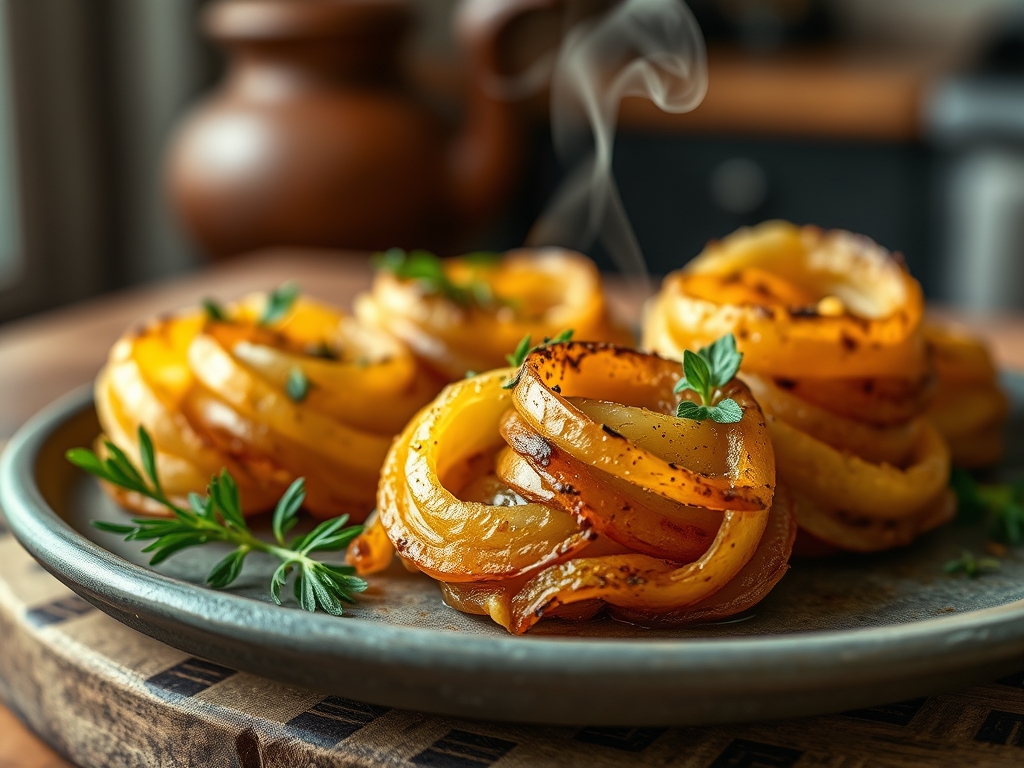
Imagine the sound of a structural fracture. That sharp, high-frequency snap is the universal language of a perfectly executed snack. When you dive into the world of spiral potato recipes, you are not just cooking; you are performing an architectural feat. We are taking the humble tuber and maximizing its surface area to create the ultimate vehicle for salt, fat, and heat. This is about that golden, accordion-style crunch that shatters against your teeth while the interior remains a cloud of steaming, buttery starch. It is the kind of snack that turns a casual Tuesday into a gourmet event.
The secret to why spiral potato recipes dominate the street food scene and high-end gastropubs alike is pure geometry. By slicing the potato into a continuous, thin ribbon, we expose the maximum amount of starch to the hot oil. This triggers a massive Maillard reaction across every millimeter of the surface. We are moving beyond the basic fry; we are engineering a masterpiece of texture. Grab your skewers and your sharpest knife. We are about to turn six simple potatoes into a sculptural feast that looks like a million bucks and tastes even better.
The Gathers:
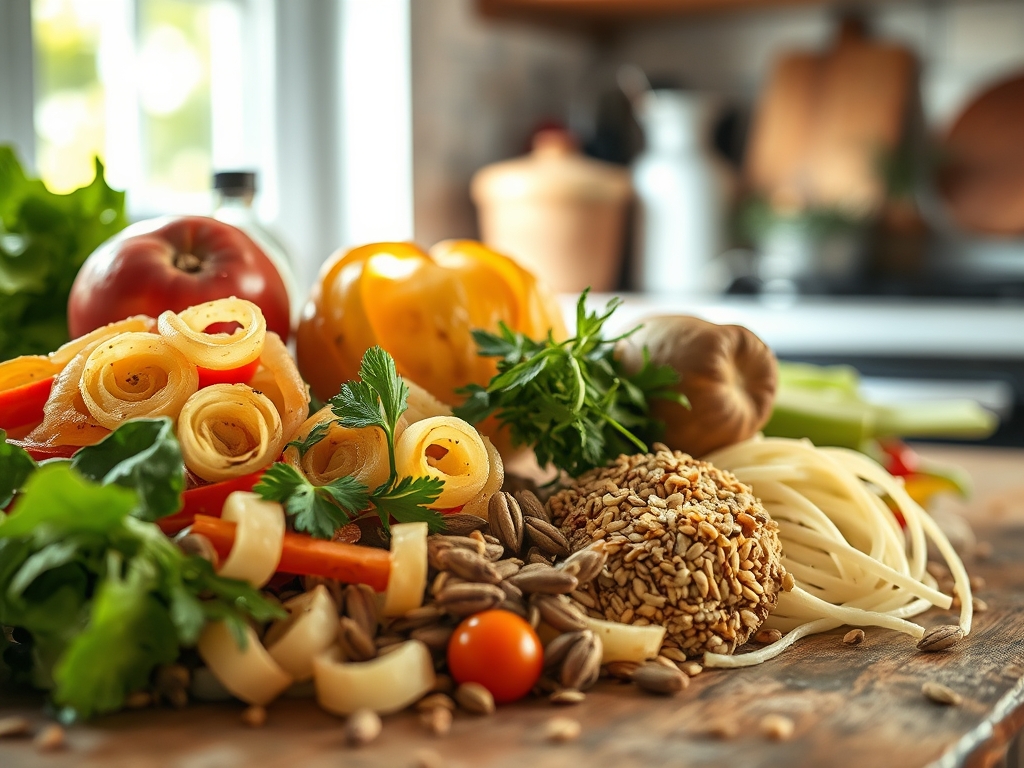
To achieve professional results, your mise-en-place must be precise. We are looking for Russet potatoes specifically. Their high starch content and low moisture levels are non-negotiable for that crisp finish. You will need six medium-sized tubers, approximately 200 grams each. Use a digital scale to ensure uniformity; consistency in size means consistency in cook time.
For the coating, we are creating a dry rub that will infuse the surface with deep flavor. You will need 50 grams of cornstarch to provide an extra layer of crunch, 10 grams of smoked paprika for a piquant undertone, 5 grams of garlic powder, and 10 grams of fine sea salt. To finish, you will need 100 milliliters of a high-smoke-point oil, such as grapeseed or avocado oil.
Smart Substitutions: If you are looking for a different flavor profile, swap the paprika for nutritional yeast to add a nutty, cheesy depth without the dairy. For those avoiding nightshades, replace the paprika with ground sumac for a bright, citrusy punch. If you do not have cornstarch, arrowroot powder works beautifully as a 1:1 replacement to achieve that signature viscous barrier that prevents the potato from absorbing too much oil.
The Clock
Efficiency in the kitchen is about the Chef's Flow. This recipe requires 20 minutes of active prep time and 30 minutes of roasting or frying time.
Prep (20 Minutes): This involves the skewering and the precision slicing. It is a rhythmic process. Once you find your pace with the knife, the time will fly.
The Soak (10 Minutes): An optional but highly recommended step to remove excess surface starch.
The Cook (30 Minutes): Whether you are using an air fryer or a convection oven, this is where the moisture renders out and the structure sets.
The Rest (5 Minutes): Essential for the internal steam to stabilize so the potato does not turn limp the moment it hits the plate.
The Masterclass
1. The Skewer Foundation
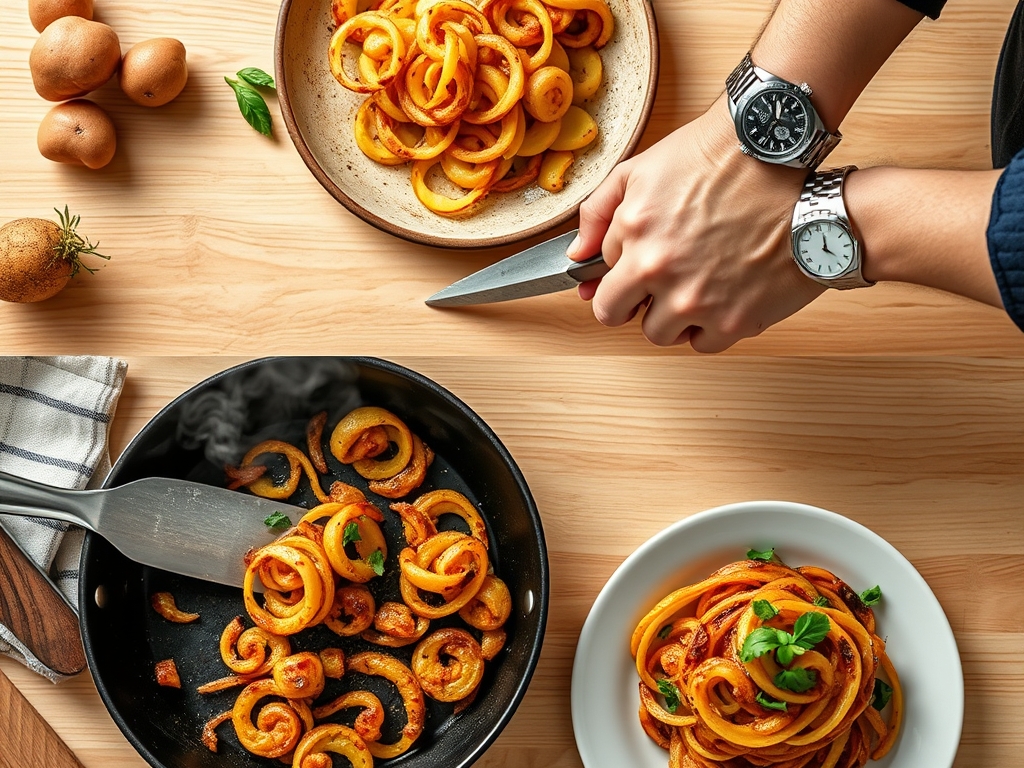
Drive a bamboo skewer through the longitudinal center of each potato. Ensure it is perfectly centered to maintain balance during the slicing phase. Use a bench scraper to clear your workspace of any debris before you begin.
Pro Tip: This step prevents enzymatic browning. By working quickly and keeping the potatoes whole until the last second, you limit the exposure of the phenols to oxygen, keeping the flesh bright and white.
2. The Spiral Cut
Place your knife at a slight angle at one end of the potato. Cut down until you hit the skewer, then rotate the potato while keeping the knife steady. Aim for a thickness of about 3 millimeters. As you cut, the potato will begin to fan out.
Pro Tip: The angle of your blade dictates the "pitch" of the spiral. A steeper angle creates more surface area, which facilitates a faster evaporation of water, leading to a crunchier result.
3. The Starch Extraction
Submerge your spiraled potatoes in a bowl of ice-cold water for ten minutes. You will see the water turn cloudy; this is the free starch leaving the surface. Pat them bone-dry with a lint-free kitchen towel afterward.
Pro Tip: Removing surface starch prevents the spirals from sticking together. It also ensures that the exterior undergoes gelatinization properly once it hits the heat, creating a crisp shell rather than a gummy mess.
4. The Seasoning Infusion
In a small bowl, whisk your dry ingredients. Use a pastry brush to coat every crevice of the potato spirals with a thin layer of oil, then dredge them in the seasoning mix. Use a microplane to zest a bit of lemon over the top if you want an extra hit of brightness.
Pro Tip: The oil acts as a heat conductor. By ensuring an even coating, you prevent "hot spots" where the spices might burn before the potato is fully cooked through.
5. The Thermal Transformation
Arrange the skewers across a baking rack set over a sheet pan. This allows hot air to aerate and circulate around the entire potato. Roast at 400 degrees Fahrenheit (200 Celsius) for 25 to 30 minutes until the edges are deeply bronzed.
Pro Tip: Watch for thermal carryover. The potatoes will continue to cook for 2 to 3 minutes after being removed from the heat. Pull them out when they are just a shade lighter than your desired final color.
6. The Final Flourish
Remove from the heat and immediately hit them with one last pinch of flaky salt while the oil is still shimmering on the surface. Use tongs to transfer them to a serving platter to avoid burning your fingers.
Pro Tip: Adding salt immediately after cooking utilizes the residual surface oil to "glue" the crystals to the potato. If you wait until they cool, the salt will simply bounce off.
The Deep Dive
Macro Nutrition: One spiral potato contains approximately 160 calories, 37 grams of carbohydrates, 4 grams of fiber, and 4 grams of protein. By roasting instead of deep-frying, we keep the fat content manageable at around 7 grams per serving.
Dietary Swaps:
- Vegan: This recipe is naturally vegan.
- Keto: Swap the Russet for a large daikon radish. The texture is surprisingly similar when roasted, though the flavor is more peppery.
- GF: This is naturally gluten-free; just ensure your spices are certified.
The Fix-It:
- Soggy Spirals: Usually caused by overcrowding. Ensure there is at least two inches of space between each skewer to allow steam to escape.
- Burnt Spices: If your paprika is turning black, your oven rack is too high. Move it to the center position to balance the radiant heat.
- Broken Spirals: This happens if the potato is too cold. Let your tubers reach room temperature before slicing to make the cellular structure more pliable.
Meal Prep: To reheat and maintain "day-one" quality, avoid the microwave at all costs. It will turn your masterpiece into a rubbery sponge. Instead, use a heavy-bottomed skillet over medium heat for 3 minutes per side, or pop them back into a 350-degree oven for 5 minutes to re-crisp the starch molecules.
The Wrap-Up
Mastering spiral potato recipes is a rite of passage for any home cook looking to bridge the gap between "snack" and "art." It is a technical challenge that rewards you with incredible textures and a visual "wow" factor that never fails. Remember, the key is in the dry-down and the precision of your spiral. Once you nail the technique, you can experiment with endless flavor profiles, from truffle oil and parmesan to spicy gochujang glazes. Now, get into that kitchen and start spinning!
The Kitchen Table
Can I make these without skewers?
You can, but the skewer acts as a safety stop for your knife and helps the potato maintain its shape. Without it, the spiral will likely collapse into individual rounds during the cooking process.
What is the best potato for spiraling?
Russets are king. Their high starch content creates the crispest exterior. Waxy potatoes like Red Bliss or Yukon Gold tend to stay too moist, resulting in a floppy texture rather than a snap.
Why are my potatoes turning brown before I cook them?
That is oxidation. To prevent this, keep your peeled or sliced potatoes submerged in cold water until the exact moment you are ready to season and cook them.
How do I get the seasoning into the deep folds?
Gently pull the spiral apart like an accordion while dusting the spices. Using a small sifter or a shaker bottle helps distribute the powder evenly into those hard-to-reach gaps.
Can I use an air fryer?
Absolutely. Air fry at 375 degrees Fahrenheit for 15 to 20 minutes. Shake the basket halfway through to ensure the hot air reaches the underside of the spirals for an even crunch.