
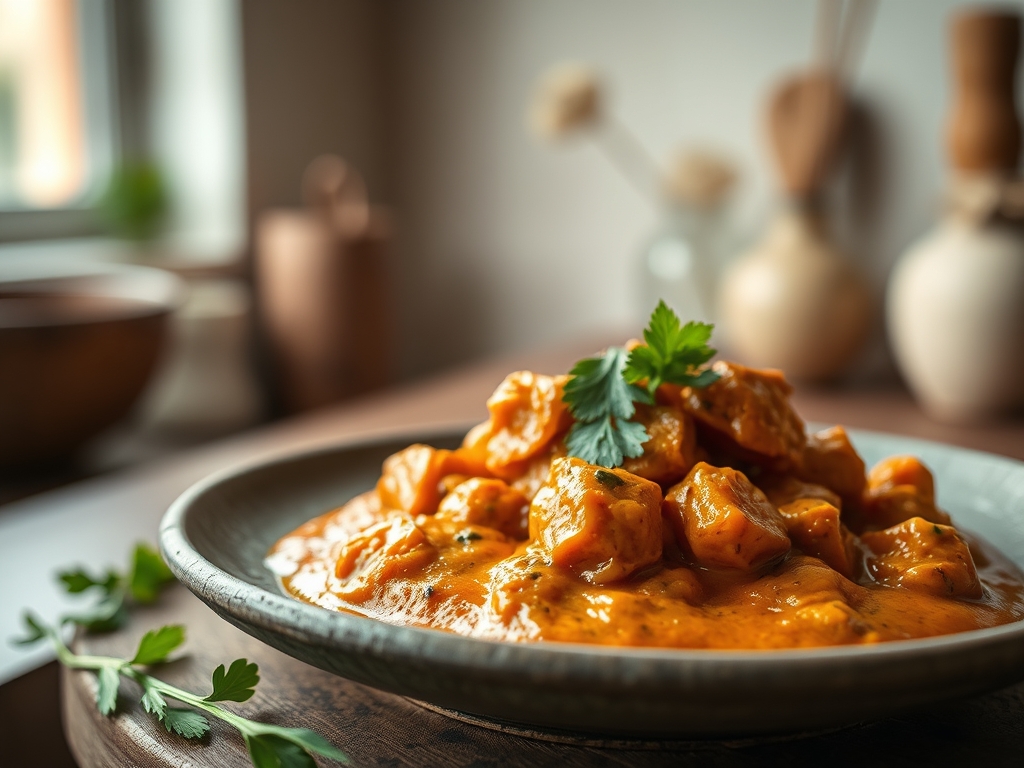
The moment your kitchen fills with the scent of caramelized onions colliding with roasted fenugreek, you know you're about to serve something extraordinary. Restaurant versions of butter chicken often mask poor technique with excessive cream and sugar, but the best butter chicken recipes balance acidity, fat, and umami-rich tomato solids into a sauce so velvety it clings to each piece of tandoori-charred chicken. This isn't about replicating takeout. It's about understanding why clarified butter carries spice compounds better than oil, and how yogurt's lactic acid tenderizes protein at the molecular level.
Six variations lie ahead, each engineered to solve a specific craving: weeknight speed, restaurant-level depth, or dairy-free brilliance without compromise. The foundation remains consistent across all versions, a method rooted in the Maillard reaction's 300°F threshold and the emulsification principles that prevent sauce splitting. Master the core technique, then choose your path based on time, equipment, and dietary priorities.
The Gathers
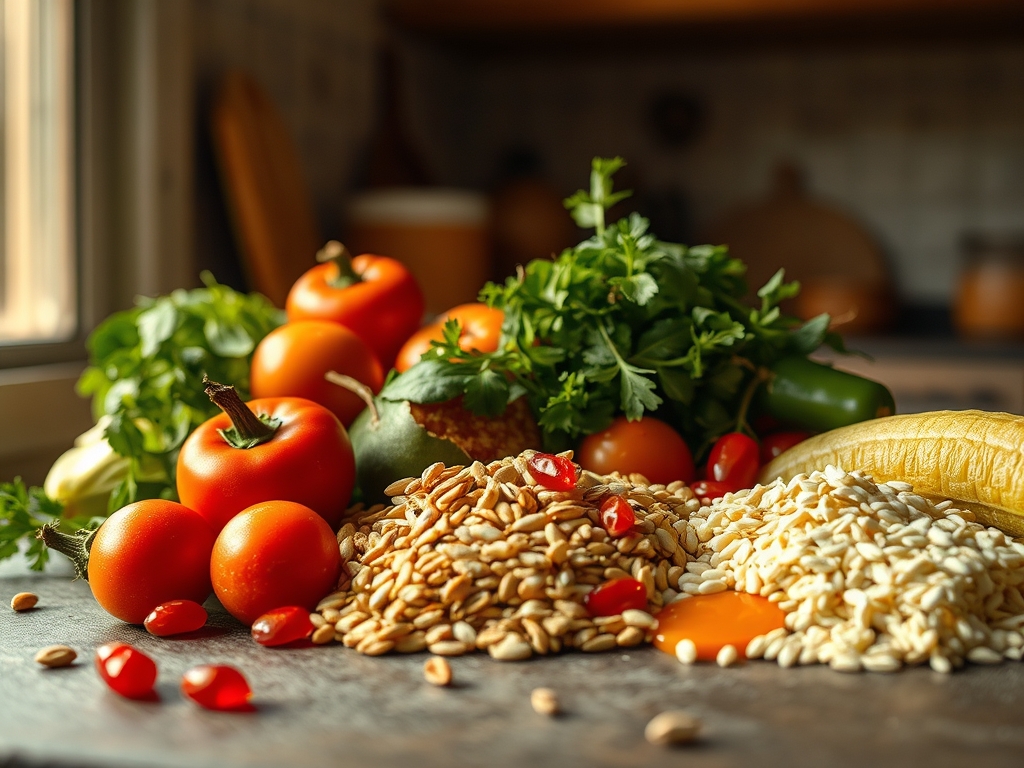
As you see in the ingredient spread below, boneless chicken thighs (1.5 lbs) anchor the dish with their higher fat content and forgiving texture window. Full-fat Greek yogurt (1/2 cup) provides the enzymatic tenderizing action, while Kashmiri chili powder (2 tbsp) delivers color without scorching heat. Tomato puree (28 oz can) supplies glutamates and natural sweetness, and heavy cream (3/4 cup) creates the signature richness once the sauce base achieves proper reduction.
Whole spices matter here: cumin seeds (1 tsp), green cardamom pods (4), cloves (3), and a single cinnamon stick. Fresh ginger-garlic paste (3 tbsp) must be made from actual rhizomes and cloves, not jarred shortcuts that oxidize into bitterness. Kasuri methi (dried fenugreek leaves, 2 tbsp) acts as the flavor signature, its bitter-sweet maple notes unmistakable in authentic versions.
Smart Substitutions: Swap thighs for breast meat only if you reduce cook time by 40%, as white meat dries past 165°F. Replace heavy cream with cashew cream (1 cup raw cashews blended with 1/2 cup water) for dairy-free builds. Substitute garam masala (1 tbsp) for the whole spice blend if time-pressed, but bloom it in hot ghee first to awaken volatile oils.
The Clock
Prep Time: 25 minutes (includes marination setup, spice toasting, and vegetable prep).
Cook Time: 45 minutes (marinade resting occurs simultaneously with sauce building).
Total Time: 70 minutes from raw ingredients to plated dish.
Chef's Flow: While chicken marinates (minimum 30 minutes, maximum overnight), toast whole spices and prepare your tomato-cream base. This parallel processing cuts perceived wait time in half. Preheat your broiler or grill during the final sauce simmer so chicken can char immediately after marination without temperature lag.
The Masterclass
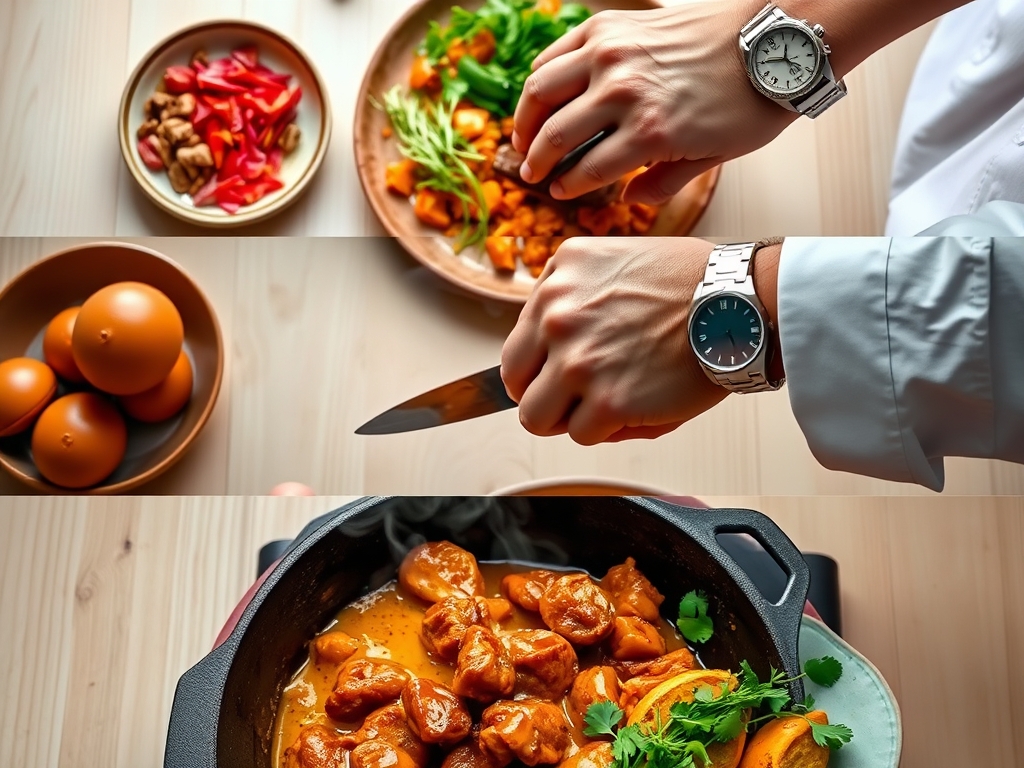
Step 1: Marinate with Precision
Combine chicken thighs with yogurt, half the ginger-garlic paste, Kashmiri chili, salt (1 tsp), and a squeeze of lemon juice. Coat every surface. Refrigerate 30 minutes minimum.
Chef's Secret: Yogurt's pH (around 4.5) denatures surface proteins, creating a "sticky" layer that holds spices during high-heat cooking. Under 30 minutes yields minimal tenderizing; beyond 12 hours risks mushy texture as enzymes over-degrade collagen.
Step 2: Char the Protein
Broil marinated chicken on a wire rack 6 inches from the heating element for 6 minutes per side, or grill over direct heat at 450°F. Target visible char spots without cooking through.
Why it Works: Note the texture shown in the step-by-step photos. Those dark edges contain hundreds of Maillard compounds (pyrazines, furans) that add smoky depth impossible to achieve through stovetop browning alone. Internal temp should hit 145°F; carryover and later simmering finish the job.
Step 3: Build the Spice Foundation
Heat ghee (3 tbsp) in a heavy-bottomed pan over medium heat. Add cumin seeds until they crackle (15 seconds), then cardamom, cloves, and cinnamon. Stir for 30 seconds.
Chef's Secret: Ghee's clarified structure (no milk solids) tolerates higher temps than butter without burning. Whole spices release essential oils only when fat-soluble compounds meet sustained heat above 212°F.
Step 4: Create the Tomato Base
Add remaining ginger-garlic paste, cook 2 minutes until raw smell disappears. Pour in tomato puree, salt (1 tsp), and Kashmiri chili (1 tbsp). Simmer uncovered 15 minutes, stirring every 3 minutes.
Why it Works: Tomato solids must reduce by one-third to concentrate glutamates and evaporate metallic acidity. The sauce should coat a spoon's back and slide off slowly, not run like soup.
Step 5: Emulsify the Cream
Lower heat to medium-low. Drizzle heavy cream while stirring constantly in one direction. Add honey (1 tbsp) and crushed kasuri methi.
Chef's Secret: Introducing cold cream to a boiling sauce causes fat globules to separate (the dreaded split). Moderate heat and constant agitation keep lecithin molecules stable, creating a permanent emulsion glossy enough to reflect light.
Step 6: Marry Chicken and Sauce
Slice charred chicken into bite-sized pieces. Fold into sauce, simmer 8 minutes. Finish with butter (2 tbsp) and fresh cream (2 tbsp) off heat.
Why it Works: The final butter addition (montage technique) adds sheen and rounds sharp edges. Resting off-heat prevents cream from curdling while residual warmth pasteurizes and melds flavors.
Nutritional Info
Per serving (based on 6 servings): 420 calories, 28g fat (16g saturated), 12g carbohydrates (3g fiber, 6g sugar), 32g protein. Sodium sits at 680mg before additional salting. The calcium from dairy and iron from spices contribute 15% and 12% DV respectively.
Dietary Swaps
Vegan Path: Replace chicken with pressed paneer or cauliflower florets (roast at 425°F for 20 minutes). Use coconut cream (full-fat, 3/4 cup) and vegan yogurt for marination. The fenugreek's bitterness balances coconut's sweetness perfectly.
Keto Alignment: Eliminate honey, increase butter to 4 tbsp, and serve over cauliflower rice. Net carbs drop to 6g per serving. The higher fat ratio actually improves mouthfeel.
Gluten-Free: Naturally compliant. Verify garam masala blends contain no wheat-based anti-caking agents (rare but possible in bulk spices).
Serving & Presentation
The Classic: Serve in a shallow copper handi with a cream swirl, charred chicken pieces strategically visible, garnished with cilantro microgreens and a single dried red chili for height.
The Modern: Plate over black forbidden rice, sauce pooled asymmetrically, chicken fanned across, finished with edible flowers and a ghee drizzle from a squeeze bottle.
The Family-Style: Large cast-iron skillet presentation, naan wedges arranged around the perimeter, small bowls of pickled onions and cucumber raita for contrast and crunch.
The Pro-Dodge
Pitfall 1: Watery Sauce. Your tomato puree didn't reduce enough. Fix immediately by simmering uncovered on high for 5 minutes, or whisk in tomato paste (2 tbsp) to absorb excess moisture.
Pitfall 2: Grainy Texture. Cream curdled from excessive heat. Rescue with an immersion blender on low speed for 20 seconds, then fold in 2 tbsp cold cream to re-stabilize.
Pitfall 3: Flat Flavor. Under-toasted spices or skipped kasuri methi. Bloom 1 tsp garam masala in a separate pan with ghee, then swirl into finished sauce. Add crushed methi, simmer 2 minutes more.
The Meal Prep Corner
Refrigerate sauce and chicken separately for up to 4 days. The sauce actually improves as fenugreek compounds mellow. Reheat sauce gently in a saucepan with 2 tbsp water to restore consistency, then fold in chicken and warm through. Freeze sauce alone for 3 months; thaw overnight in the fridge. Never microwave from frozen, as uneven heating splits the emulsion. For day-one texture, refresh reheated portions with 1 tbsp fresh cream and a pinch of methi right before serving.
The Wrap-Up
You've just built a butter chicken that respects both tradition and technique. The best butter chicken recipes don't rely on shortcuts or excessive sweetness; they honor the chemistry of emulsification, the patience of proper reduction, and the transformative power of char. Each of the six variations in your arsenal now solves a different need, whether that's speed, dietary accommodation, or pure restaurant-level indulgence. Cook one version this week, then challenge yourself to master the vegan or keto adaptation next. Share your charred chicken victories, your sauce rescues, and your favorite naan pairing in the comments below. This is how home cooks become legends.
The Kitchen Table
Q: Can I use chicken breast instead of thighs?
A: Yes, but reduce final simmer time to 5 minutes and pull chicken at 160°F internal temp. Breast meat lacks the intramuscular fat that keeps thighs moist through extended cooking, so carryover heat (rising 5°F after removal) will complete the cook without drying.
Q: Why does my sauce taste metallic?
A: Tomato puree requires full reduction to convert acidic compounds into sweeter notes. Simmer until the sauce darkens one shade and reduces by one-third. Adding honey or a pinch of sugar (1 tsp) also neutralizes residual acidity without making the dish dessert-like.
Q: How do I get restaurant-level smokiness without a tandoor?
A: Use the dhungar method: place a small steel bowl in the finished sauce, add a lit charcoal piece, drizzle ghee over it, and cover immediately for 5 minutes. The captured smoke infuses the dish. Alternatively, broil chicken until nearly blackened in spots.
Q: Can I make this in an Instant Pot?
A: Saute mode works for steps 3-5. Add charred chicken and 1/2 cup water, pressure cook 5 minutes, natural release 10 minutes. The pressure environment blends flavors faster but sacrifices some texture control. Finish with fresh cream and butter using saute mode again.
Q: What's the best way to store leftover kasuri methi?
A: Transfer to an airtight container in the freezer. Fenugreek's volatile oils degrade quickly at room temp, turning bitter and losing maple-like sweetness. Frozen methi retains potency for 6 months versus 2 weeks in the pantry.