
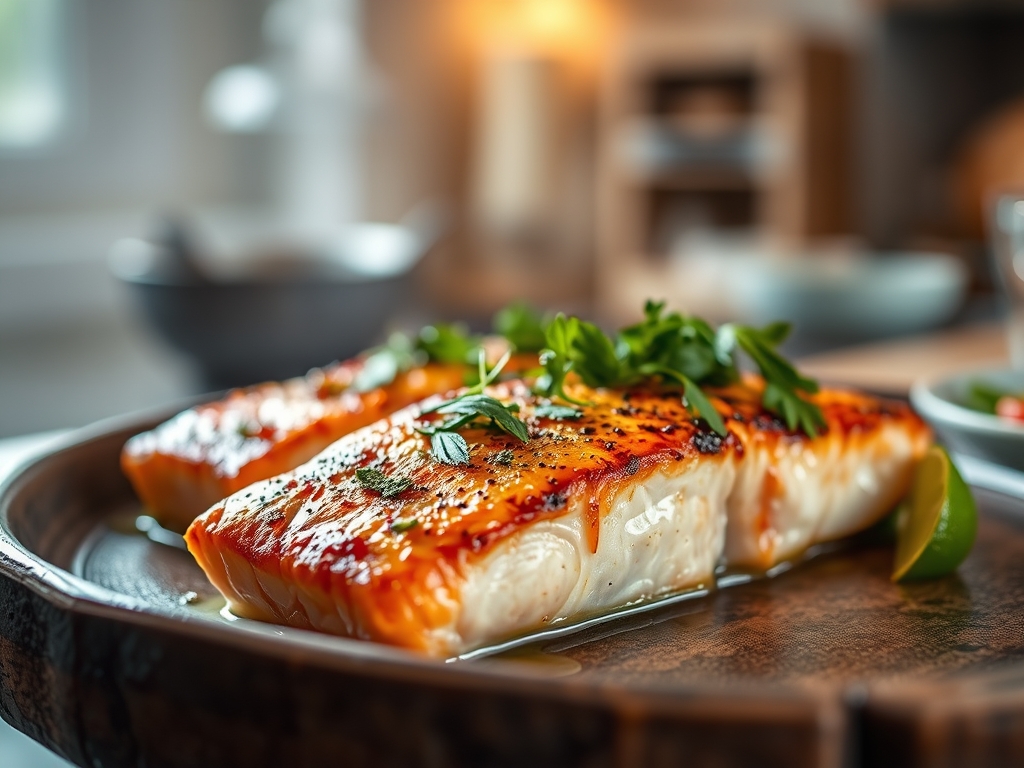
Close your eyes and listen for the sound of a high-heat sizzle that signals the perfect Maillard reaction. That sharp, rhythmic popping is the sound of moisture escaping the protein fibers as the intense heat of the top heating element transforms a humble fillet into a five-star masterpiece. When you master broiled salmon recipes in oven environments, you are essentially harnessing the power of an upside-down grill. The result is a glass-like, caramelized exterior that yields to a center so buttery it practically sighs under your fork. We are moving past the days of dry, chalky fish; today, we are talking about precision heat, fat emulsification, and the glorious science of the sear. It is about understanding that your oven is not just a box that gets hot; it is a pressurized chamber where infrared radiation can create a crust that rivals any professional steakhouse. Grab your favorite apron and clear the counter. We are about to dive into the chemistry of the perfect bite, ensuring your kitchen smells like a high-end bistro rather than a fish market.
The Gathers:
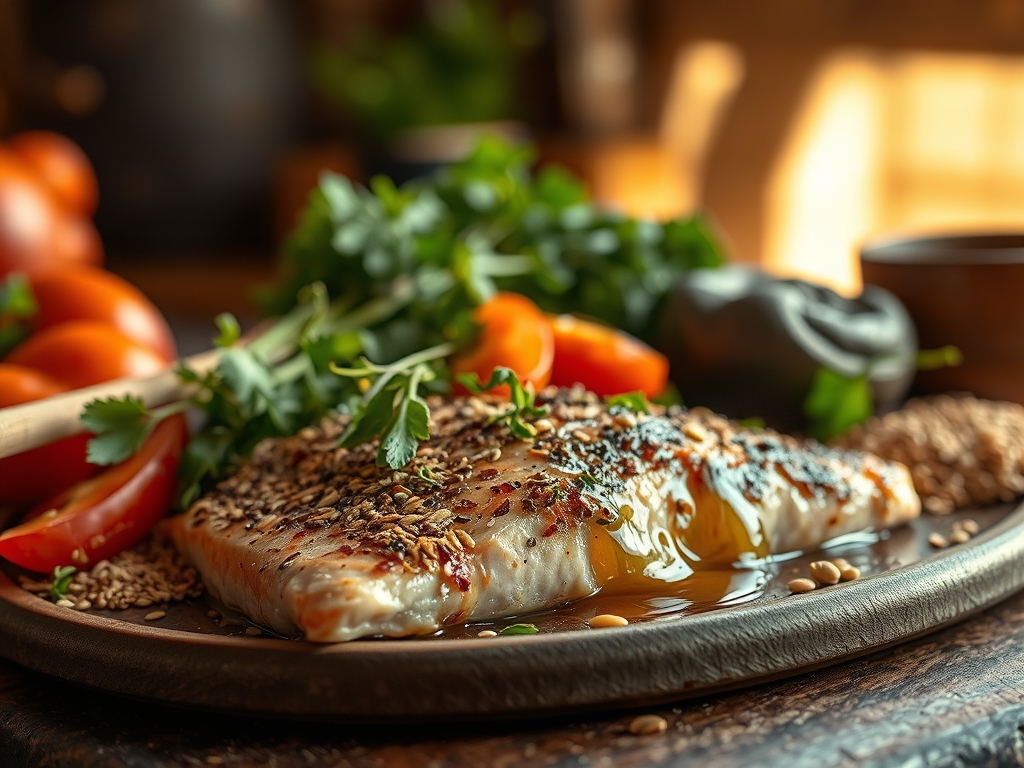
Precision starts with your mise-en-place. For the ultimate broiled salmon, you need a center-cut Atlantic or King salmon fillet, preferably with the skin intact to act as a thermal barrier. You will need a high-smoke-point oil like avocado or grapeseed oil; olive oil will smoke and turn bitter under the broiler. Gather your aromatics: fresh sprigs of thyme, a head of garlic to be smashed, and a lemon that you will zest with a microplane to release the volatile oils without the bitter white pith.
The seasoning requires a heavy hand with kosher salt. The larger grains provide a better tactile grip and dissolve more slowly, creating a more even crust. If you want a piquant kick, grab some smoked paprika or a pinch of cayenne. For "Smart Substitutions," if you are out of fresh herbs, a high-quality dried oregano can work if you infuse it into the oil first. If you are avoiding citrus, a splash of white balsamic vinegar offers a similar acidic brightness with a more viscous mouthfeel. Always ensure your fish is patted bone-dry with paper towels; moisture is the enemy of the sear.
The Clock
Efficiency in the kitchen is about "Chef's Flow," which is the art of overlapping tasks so no heat is wasted. Your total active prep time is exactly 8 minutes. This includes the time to scale your seasonings on a digital scale and prepare the baking sheet. The actual cooking time is a lightning-fast 6 to 9 minutes, depending on the thickness of the fillet.
However, the most important part of the clock is the 5-minute rest period. During this time, you can deglaze your pan or toss a quick salad. Total time from fridge to table is under 20 minutes. The flow looks like this: Preheating the broiler (5 mins), prepping the fish (3 mins), broiling (7 mins), and resting (5 mins). This sequence ensures the fish reaches the table at the peak of its textural integrity.
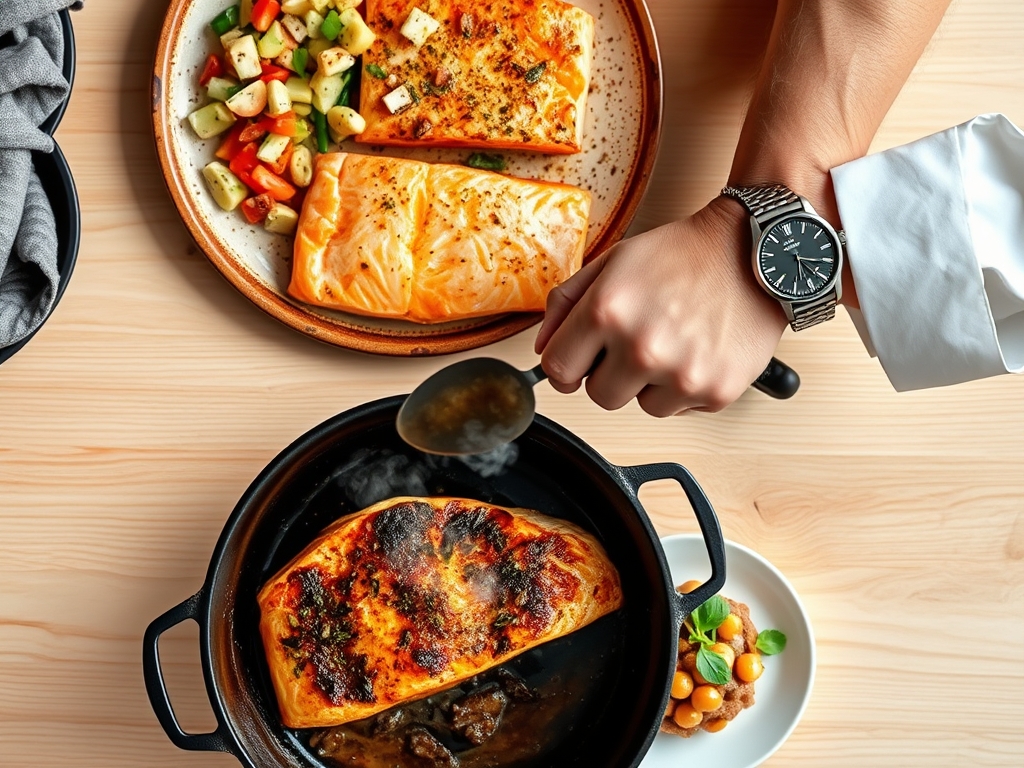
The Masterclass
1. The Tempering Phase
Take your salmon out of the refrigerator 15 minutes before cooking. Cold protein hitting a hot pan causes the muscle fibers to seize and squeeze out moisture, resulting in a tough texture. By bringing the fish closer to room temperature, you ensure even heat distribution.
Pro Tip: This reduces the temperature gradient between the exterior and the core, preventing the outside from overcooking before the middle is opaque.
2. The Desiccation Ritual
Use a paper towel to press firmly onto the skin and the flesh. You want the surface to feel tacky, not wet. If the surface is damp, the broiler's energy will be wasted evaporating water rather than browning the protein.
Pro Tip: This is the science of evaporative cooling; removing surface water allows the temperature to rise above 212 degrees Fahrenheit quickly to trigger browning.
3. The Oil Emulsion
Drizzle your high-smoke-point oil over the fish and massage it in. You are creating a thin, conductive layer that will help the heat travel into the crevices of the meat. Use a saucier to pre-mix your oil with any dry spices to ensure they don't burn individually.
Pro Tip: Fat is a superior heat conductor compared to air, which helps the broiler's infrared waves penetrate the fish more efficiently.
4. The Rack Position
Adjust your oven rack so the fish will be exactly 4 to 5 inches away from the broiler element. Too close and it chars before it cooks; too far and it bakes rather than broils. Use a bench scraper to help slide the fillets onto a preheated heavy-duty baking sheet.
Pro Tip: Preheating the pan creates an immediate sear on the bottom, utilizing conductive heat alongside the broiler's radiant heat.
5. The Infrared Blast
Slide the tray into the oven. Watch for the fat to start to render and bubble on the surface. If you see white spots appearing (albumin), you are cooking it too fast or too long.
Pro Tip: Albumin is a protein that gets pushed out when muscle fibers contract too tightly; seeing it is a visual cue to check the internal temperature immediately.
6. The Glaze Application
If using a honey or maple glaze, apply it only in the last 2 minutes of cooking. Sugars have a low burning point and will turn to carbon if exposed to the broiler for the full duration.
Pro Tip: This creates a gastrique-style finish where the sugars undergo rapid caramelization without crossing over into combustion.
7. The Thermal Check
Use an instant-read thermometer to pull the salmon when it hits 125 degrees Fahrenheit for medium-rare or 130 degrees for medium. Use tongs to gently test the flakiness of the side.
Pro Tip: This accounts for thermal carryover, where the internal temperature will continue to rise by 5 degrees even after the fish is removed from the heat.
8. The Resting Period
Transfer the salmon to a warm plate and tent loosely with foil. Do not wrap it tightly, or the steam will soften the beautiful crust you just created.
Pro Tip: Resting allows the agitated protein molecules to relax and reabsorb the juices, ensuring the moisture stays in the fish rather than on the plate.
9. The Acidic Finish
Just before serving, use a fresh lemon wedge to spritz the fish. The acid cuts through the richness of the salmon fat and brightens the entire flavor profile.
Pro Tip: Citric acid acts as a flavor enhancer by stimulating the salivary glands, making the savory notes of the fish more perceptible to your palate.
The Deep Dive
When we look at the macro nutrition of this dish, we are talking about a powerhouse of Omega-3 fatty acids and high-quality protein. A standard 6-ounce fillet provides roughly 34 grams of protein and 0 grams of carbohydrates, making it a staple for Keto and Paleo lifestyles. For a vegan swap, you can apply these same broiler techniques to thick slabs of cauliflower or "tofu steaks," though you will need to increase the oil content to mimic the salmon's natural fats.
If you encounter "The Fix-It" scenarios, don't panic. If your fish is sticking to the pan, your pan wasn't hot enough or you didn't use enough oil; use a thin metal spatula to gently pry it loose. If the outside is burnt but the inside is raw, your rack is too high; move it down one notch and finish the cook with the oven door slightly ajar. If the fish tastes "fishy," it likely wasn't fresh or wasn't patted dry; a quick soak in milk for 10 minutes before cooking can neutralize those odors. For meal prep, reheat your salmon in a low-temperature oven (275 degrees) with a splash of water covered in foil to preserve the "day-one" moisture without making it rubbery.
The Wrap-Up
Mastering broiled salmon recipes in oven settings is your ticket to effortless, impressive weeknight dinners. By focusing on the science of heat transfer and the importance of surface moisture, you have elevated a simple piece of protein into a culinary event. Remember to trust your senses: watch the color change, listen for the sizzle, and always respect the rest period. You have the tools, the techniques, and the witty confidence to make this your signature dish. Now, go turn on that broiler and let the magic happen!
The Kitchen Table
How do I prevent salmon from smelling fishy?
Ensure the fish is incredibly fresh and pat it bone-dry before cooking. You can also briefly soak the fillets in milk for ten minutes; the proteins in the milk bind to the compounds that cause odors and neutralize them effectively.
What is the best temperature for salmon?
For a professional result, aim for an internal temperature of 125 to 130 degrees Fahrenheit. This ensures the collagen has broken down into a silky texture without the muscle fibers becoming tight, dry, or chalky during the cooking process.
Can I broil frozen salmon?
It is not recommended. The exterior will burn under the intense broiler heat while the center remains a block of ice. Always thaw your salmon completely in the refrigerator overnight and temper it at room temperature before introducing it to the oven.
Do I need to flip the salmon?
No flipping is required when broiling. The intense radiant heat from the top element cooks the flesh and caramelizes the surface, while the conductive heat from the preheated baking sheet handles the bottom, ensuring an even cook without breaking the delicate fillet.