
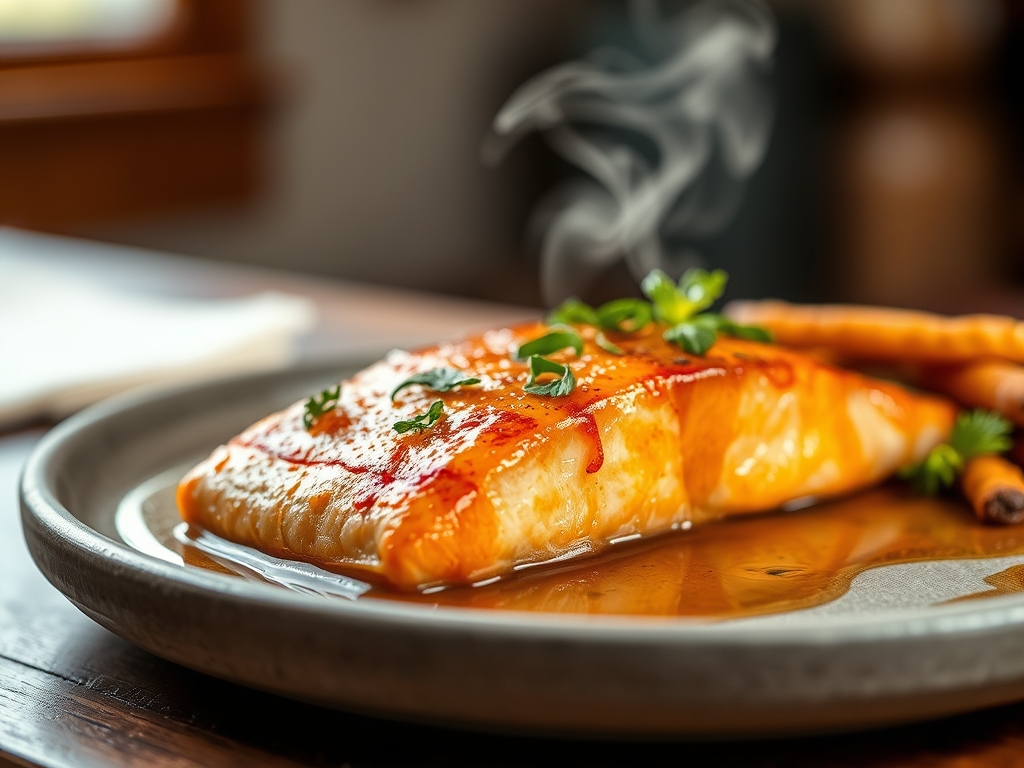
Picture the scene: a quiet Tuesday evening transformed by the scent of woodsy sweetness and searing protein. You are standing in your kitchen, hovering over a tray of glistening fillets, watching the sugar crystals transform into a deep amber glaze. When it comes to salmon recipes baked with maple syrup, the magic lies in that specific chemical intersection of salt, smoke, and sugar. It is the kind of meal that feels like a warm hug from a professional chef; sophisticated enough for a dinner party but simple enough to execute in your favorite loungewear.
We are not just talking about pouring syrup over fish. This is about the art of the glaze. It is about understanding how the amino acids in the salmon react with the natural sugars in the maple to create a crust that is both snappy and tender. It is a masterclass in balance. We are aiming for that perfect fork-flake, where the interior remains a translucent, buttery pink while the exterior boasts a lacquered, mahogany finish. Grab your favorite apron and clear some counter space. We are about to dive into the technical brilliance of the ultimate weeknight luxury.
The Gathers:
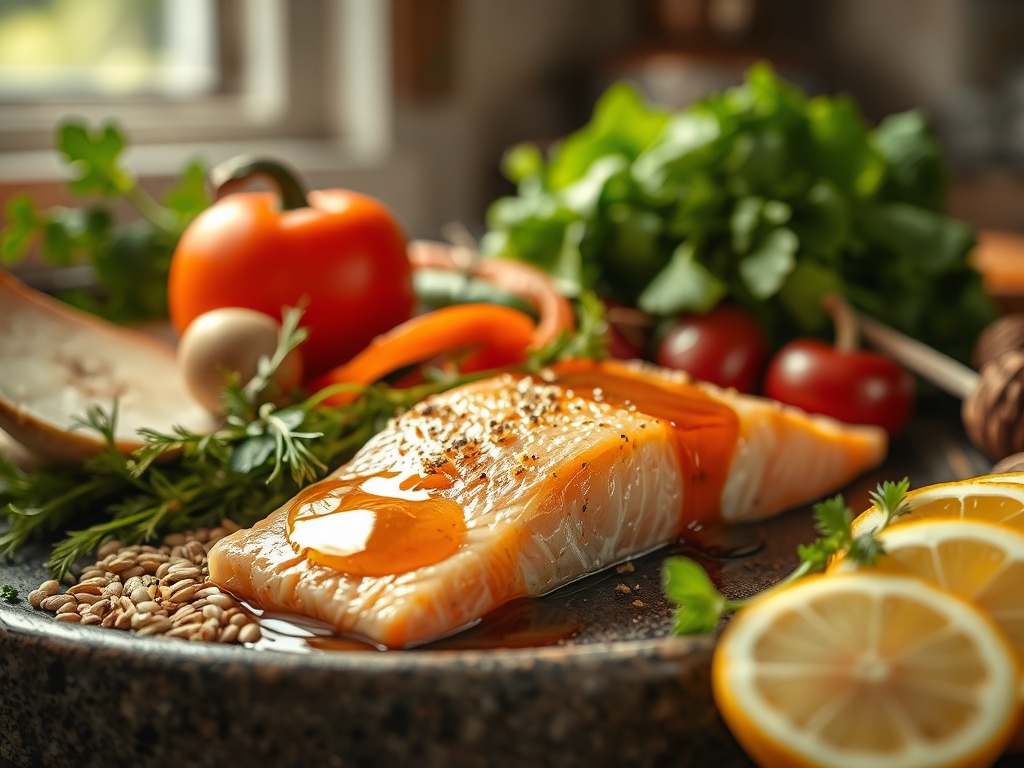
To achieve a restaurant-grade result, your mise-en-place must be precise. Start with a high-quality center-cut Atlantic or King salmon fillet. You want a piece with visible intramuscular fat (marbling) to ensure the fish remains succulent under the high heat of the oven. For the glaze, use Grade A Dark Maple Syrup; its higher mineral content and deeper flavor profile stand up better to the heat than lighter varieties.
You will also need a high-quality Dijon mustard to act as an emulsifier. The lecithin in the mustard binds the water-based syrup to the oil-based fats of the fish, creating a cohesive coating rather than a runny mess. Freshly grated ginger, processed with a microplane for maximum surface area, adds a piquant bite that cuts through the richness. Use a digital scale to measure your ingredients if you want absolute consistency, especially with the kosher salt and cracked black pepper.
Smart Substitutions: If you are out of maple syrup, a raw honey or agave nectar can work, though you will lose that specific vanillin-like aroma found in maple. If Dijon is too sharp, a whole-grain mustard adds a delightful textural pop. For those avoiding soy, coconut aminos offer a similar umami depth with a lower glycemic index.
The Clock
Efficiency in the kitchen is all about the "Chef's Flow." Total active prep time is a brisk 10 minutes, with a cook time ranging between 12 and 15 minutes depending on the thickness of your fillets.
The flow begins with preheating your oven to 400 degrees Fahrenheit. While the heating elements stabilize, you prepare the glaze in a small saucier or glass bowl. This overlap ensures that by the time your fish is seasoned and coated, the oven has reached a steady thermal equilibrium. Always allow for a 5-minute resting period post-bake. This is not just a suggestion; it is a thermal requirement to allow the juices to redistribute through the muscle fibers.
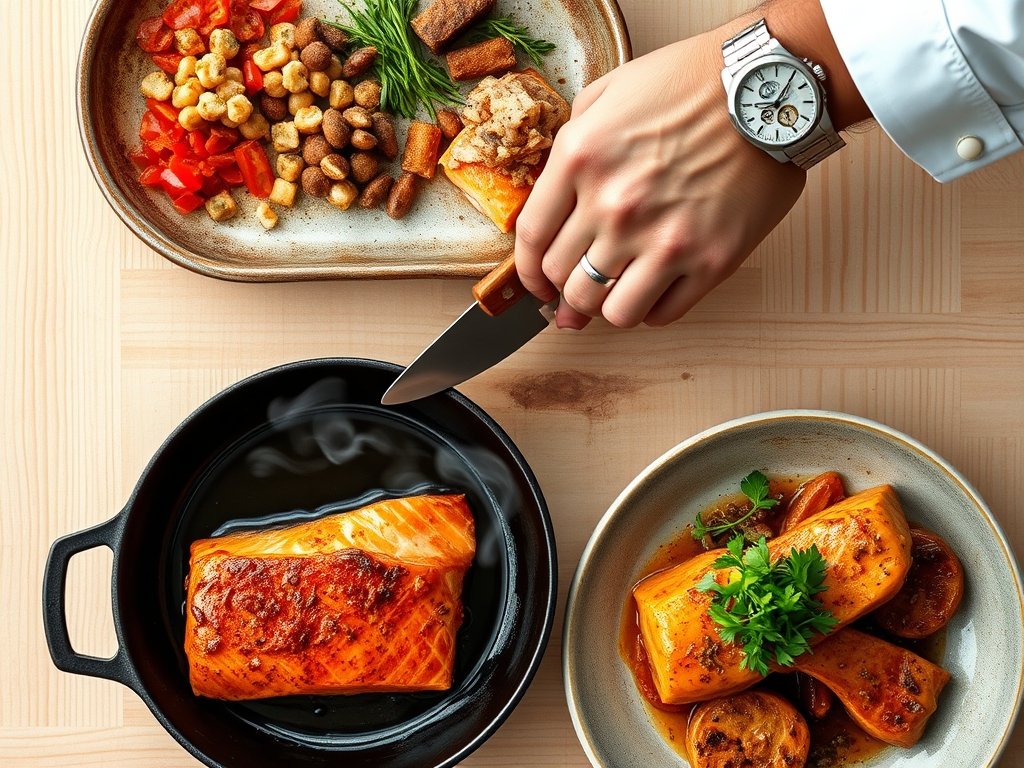
The Masterclass
1. Tempering the Protein
Remove your salmon from the refrigerator 20 minutes before cooking. Cold fish hitting a hot pan or oven causes the muscle fibers to tighten violently, squeezing out moisture and resulting in a dry texture.
Pro Tip: This process, known as tempering, ensures even heat penetration. If the center is ice-cold while the exterior is room temperature, you will inevitably overcook the outside before the inside reaches safety.
2. The Surface Prep
Pat the salmon bone-dry using paper towels. Moisture is the enemy of the Maillard reaction. If the skin or surface is damp, the oven's energy will be spent evaporating that water rather than browning the fish.
Pro Tip: Use a bench scraper to gently press down on the fillets once they are on the parchment paper to ensure they are flat. Removing surface moisture allows for enzymatic browning, creating that savory, complex crust.
3. Emulsifying the Glaze
In your bowl, whisk together the maple syrup, Dijon, soy sauce, and grated ginger. You are looking for a viscous consistency that coats the back of a spoon.
Pro Tip: The mustard acts as a stabilizer. Without it, the syrup would simply slide off the scales. This is a basic lesson in emulsification, where two unmixable liquids are forced into a temporary, stable union.
4. The First Coat
Using a silicone pastry brush, apply a generous layer of the glaze over the top and sides of the salmon. Do not be shy. You want the glaze to pool slightly around the edges to caramelize against the pan.
Pro Tip: The sugars in the maple syrup will begin to caramelize at 320 degrees Fahrenheit. By coating it early, you allow the sugars to undergo pyrolysis, creating hundreds of new flavor compounds.
5. Precision Baking
Slide the tray into the center rack of the oven. If you have a convection setting, use it to circulate the hot air more efficiently, which aids in the reduction of the glaze.
Pro Tip: Watch for the "white beads" known as albumin. This protein pushes to the surface when the salmon is cooking. If you see too much of it, your heat is too high or you are overcooking the fish.
6. The Broil Finish
For the final 2 minutes, switch the oven to the broil setting. This provides intense, direct radiant heat to the top of the glaze, creating a bubbly, lacquered finish.
Pro Tip: This is a high-risk, high-reward move. The thermal carryover will continue to cook the fish even after it is out of the oven, so pull it when the internal temperature hits 130 degrees Fahrenheit for a perfect medium-rare.
7. The Rest
Transfer the salmon to a warm plate using tongs or a wide fish spatula. Let it sit undisturbed for at least five minutes.
Pro Tip: Resting allows the internal pressure to stabilize. If you cut into it immediately, the viscosity of the internal juices is too low, and they will run out onto the plate, leaving the fish dry.
8. The Acid Brightener
Just before serving, hit the fillets with a squeeze of fresh lemon juice or a sprinkle of lemon zest.
Pro Tip: Acidity acts as a flavor "magnifying glass." It cuts through the lipids (fats) of the salmon and the sugar of the syrup, making the entire dish feel lighter and more vibrant on the palate.
The Deep Dive
From a nutritional standpoint, salmon recipes baked with maple syrup are a powerhouse. You are looking at roughly 350 calories per 6-ounce serving, packed with Omega-3 fatty acids which are essential for brain health and reducing inflammation. The maple syrup provides a hit of manganese and zinc, though it does add roughly 12 grams of sugar per serving.
Dietary Swaps: For a Keto-friendly version, replace the maple syrup with a monk-fruit-based maple substitute. To make it vegan, use the same glaze over a thick "steak" of roasted cauliflower or firm tofu. The dish is naturally gluten-free as long as you use tamari instead of traditional soy sauce.
The Fix-It:
- The Glaze is Burnt: If the sugar burns before the fish is done, tent the tray with foil to block direct heat.
- The Fish is Mushy: You likely skipped the "pat dry" step. Next time, salt the fish 10 minutes early to draw out excess moisture.
- The Skin is Soggy: Start the salmon skin-side down in a heavy-bottomed skillet on the stove for 2 minutes before moving it to the oven.
Meal Prep: To reheat, avoid the microwave at all costs; it turns salmon into rubber. Instead, place the fillet in a covered pan with a tablespoon of water over low heat. This creates a gentle steam environment that re-hydrates the protein without overcooking it.
The Wrap-Up
Mastering salmon recipes baked with maple syrup is a gateway to culinary confidence. It teaches you the importance of temperature control, the chemistry of glazes, and the necessity of patience. When you pull that tray out and see the shimmering, golden-brown crust, you will know you have moved beyond "just cooking" into the realm of culinary artistry. Serve this with a side of charred asparagus or a light quinoa salad to balance the sweetness. Now, go forth and glaze with authority; your kitchen table is waiting for its masterpiece.
The Kitchen Table
Can I use frozen salmon for this recipe?
Yes, but ensure it is completely thawed and patted dry. Frozen salmon often retains extra moisture, which can dilute the maple glaze and prevent the desired caramelization. Always thaw in the refrigerator overnight for the best texture.
How do I know the salmon is perfectly cooked?
The most reliable method is using an instant-read thermometer to reach 130-135 degrees Fahrenheit. Alternatively, the fish should flake easily with a fork and appear opaque on the outside while remaining slightly translucent in the very center.
What is the best side dish for maple salmon?
Balance the sweetness of the syrup with something acidic or earthy. Roasted Brussels sprouts with balsamic glaze, a crisp cucumber salad, or garlicky sautéed kale work beautifully to contrast the rich, sugary profile of the glazed fish.
Can I marinate the salmon in the syrup overnight?
It is not recommended. The salt and acid in the glaze can begin to "cook" or cure the delicate fish tissues, changing the texture to something more like jerky. A 20-minute soak is plenty for flavor penetration.