
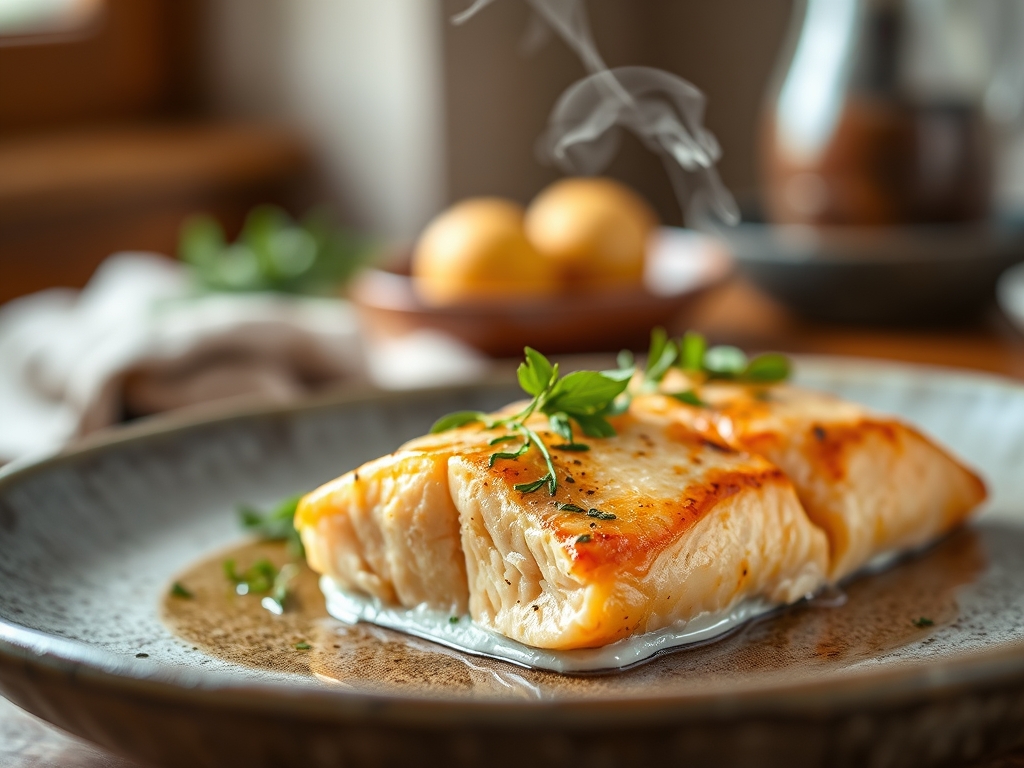
Picture the sound of a heavy-bottomed stainless steel skillet meeting a high-flame burner; that sharp, rhythmic hiss is the preamble to greatness. We are moving beyond the basic weeknight bake and stepping into the realm of high-end gastronomy. Mastering fine dining salmon recipes requires more than just fresh fish; it demands an intimate understanding of protein coagulation and the precise chemistry of a perfect sear. We are going to transform a humble fillet into a structural masterpiece that balances a glass-like skin with a translucent, buttery interior. This is about elevating your kitchen into a private atelier where texture, temperature, and technique collide to create something truly unforgettable.
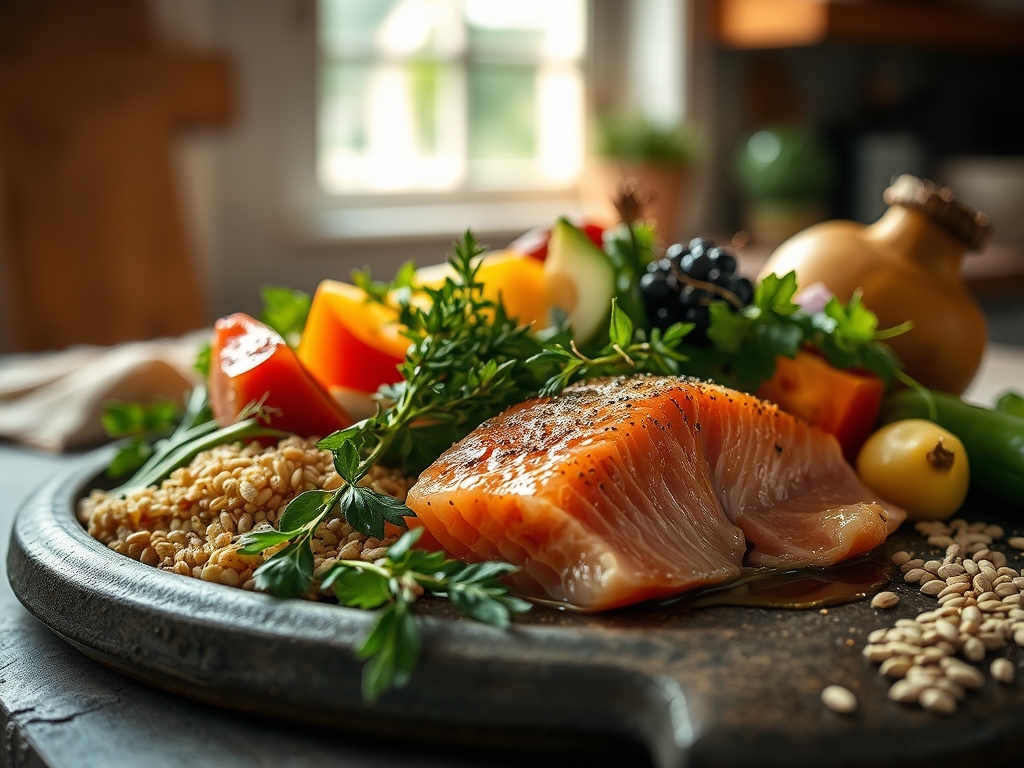
The Gathers:
To execute these fine dining salmon recipes, your mise-en-place must be surgical. We start with Center-Cut King or Atlantic Salmon; look for deep marbling, as these intramuscular fats provide the viscous mouthfeel characteristic of luxury plating. You will need high-smoke-point fats like clarified butter (ghee) or grapeseed oil to achieve a hard sear without acrid scorching. For the aromatics, gather fresh thyme, cold-pressed citrus, and shallots. Use a digital scale to measure your salt; a 1 percent ratio relative to the weight of the fish ensures deep cellular seasoning without dehydration.
Smart Substitutions: If you cannot source fresh salmon, high-quality Steelhead Trout offers a similar fat profile and vibrant pigment. For a dairy-free emulsion, swap traditional butter for a cold-pressed avocado oil whisked into a reduction; it mimics the velvety finish of a classic beurre blanc. If you lack a saucier for your reductions, a small heavy-bottomed saucepan will suffice, provided you whisk constantly to prevent the proteins from breaking.
The Clock
Efficiency in a professional kitchen is defined by "Chef's Flow." This is the psychological state where prep and execution overlap seamlessly. Total active time for these masterpieces is approximately 45 minutes. You will spend 15 minutes on precision knife work; use a sharp bench scraper to clear your board and keep your workspace sterile. The actual cooking time is remarkably brief, usually 6 to 8 minutes, but the resting phase is non-negotiable. Allowing the fish to rest for 4 minutes ensures the internal juices redistribute, preventing the "bleed" of albumin on the plate.
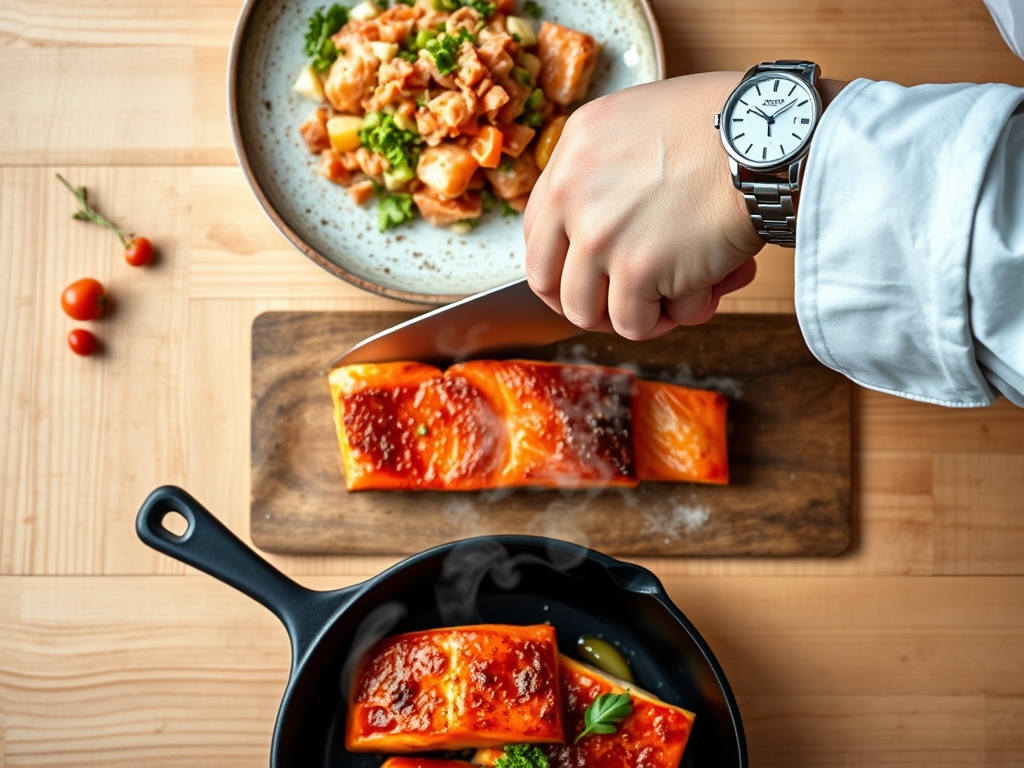
The Masterclass
1. The Surface Preparation
Before the fish ever touches the pan, you must achieve total surface dehydration. Use a paper towel to press every ounce of moisture from the skin. A damp skin will cause the fish to steam rather than sear, ruining the crispness.
Pro Tip: This is the science of the Maillard Reaction. By removing water, you allow the surface temperature to exceed 300 degrees Fahrenheit instantly, triggering the chemical reaction between amino acids and reducing sugars that creates that golden-brown crust.
2. The Tempering Phase
Allow your fillets to sit at room temperature for exactly 15 minutes. Cold fish hitting a hot pan causes the muscle fibers to contract violently, squeezing out moisture and resulting in a "tight" or rubbery texture.
Pro Tip: Tempering minimizes the thermal shock. This ensures a more even heat distribution throughout the fillet, allowing the center to reach a perfect medium-rare while the exterior stays crisp.
3. The Precision Sear
Place the salmon skin-side down in a shimmering pan. Use tongs to apply light pressure for the first 30 seconds. This prevents the skin from curling as the collagen fibers shrink under heat.
Pro Tip: This is known as collagen denaturation. Applying pressure ensures the entire surface area of the skin maintains contact with the heat source, resulting in a uniform, wafer-thin crunch.
4. The Butter Baste (Arroser)
Once the skin is crisp, add a knob of cold butter, crushed garlic, and thyme to the pan. Tilt the skillet and use a large spoon to continuously shower the fish with the foaming fat.
Pro Tip: This technique, called arroser, uses the butter as a heat transfer medium to gently cook the top of the fish without flipping it. The milk solids in the butter undergo enzymatic browning, adding a nutty, complex aroma.
5. The Acidic Deglaze
Remove the fish and immediately deglaze the pan with a splash of dry white wine or verjus. Use a whisk to scrape up the fond (the brown bits stuck to the bottom).
Pro Tip: Deglazing captures the concentrated flavors of the seared proteins. The acid in the wine balances the heavy fats, creating a piquant base for a high-gloss pan sauce.
6. The Emulsion Finish
Whisk cold cubes of butter into your reduction off the heat. This creates a stable, silky sauce that coats the back of a spoon.
Pro Tip: This is the physics of emulsification. By whisking cold fat into a warm liquid, you suspend tiny droplets of fat within the water-based reduction, creating a smooth, opaque texture that won't separate on the plate.
7. The Micro-Garnish Plating
Use a microplane to zest fresh lemon over the fish at the very last second. Arrange micro-greens or edible petals using precision tweezers for that final "fine dining" aesthetic.
Pro Tip: The volatile oils in the citrus zest are highly aromatic but dissipate quickly. Adding them at the moment of service ensures the diner experiences the full olfactory impact of the dish.
The Deep Dive
From a nutritional standpoint, salmon is a powerhouse of Omega-3 fatty acids and high-quality protein. A standard 6-ounce portion contains roughly 340 calories, 34 grams of protein, and 21 grams of healthy fats. For those on a Keto path, this dish is a holy grail. Vegan guests can enjoy the same flavor profile by substituting the salmon with a thick "steak" of salt-baked celeriac or cauliflower, using the same searing and deglazing techniques.
The Fix-It:
- White Gunk (Albumin): If you see white beads forming, the heat is too high. Lower the flame; the albumin is "leaking" because the muscle fibers are contracting too fast.
- Stuck Skin: If the fish won't lift, do not force it. The fish will naturally "release" from the pan once the crust has fully formed.
- Broken Sauce: If your butter sauce separates into oil, whisk in a teaspoon of heavy cream or a splash of warm water to re-emulsify the fats.
Meal Prep & Reheating: To maintain "day-one" quality, never microwave salmon. Instead, place it in a 275-degree oven with a splash of water and cover it tightly with foil. This creates a gentle steam environment that rehydrates the proteins without overcooking the delicate center.
The Wrap-Up
Creating fine dining salmon recipes is an exercise in mindfulness and technical precision. When you hear that final sizzle and see the gloss of the emulsion, you aren't just making dinner; you are orchestrating a sensory experience. Trust your tools, respect the science of the sear, and don't be afraid to let the ingredients speak for themselves. Now, grab your tongs and let's turn your kitchen into the best seat in the city.
The Kitchen Table
How do I get the skin extra crispy?
Ensure the skin is bone-dry before cooking. Use a sharp knife to lightly score the skin; this allows steam to escape and prevents the fillet from curling, ensuring maximum surface contact with the hot, oiled pan.
What is the best internal temperature for salmon?
For a fine-dining texture, aim for an internal temperature of 120 to 125 degrees Fahrenheit. This results in a medium-rare center that is buttery and translucent. Always use a digital thermometer for absolute precision.
Can I use frozen salmon for these recipes?
Yes, provided it is "sushi-grade" and thawed slowly in the refrigerator. Pat it extremely dry to remove excess moisture from the freezing process. However, fresh, never-frozen wild salmon will always yield the superior, firm texture required for high-end plating.
Why does my salmon always stick to the pan?
Sticking usually happens because the pan wasn't hot enough or the fish was moved too soon. Wait for the oil to shimmer, place the fish, and leave it alone until the Maillard reaction naturally releases the crust from the metal.