
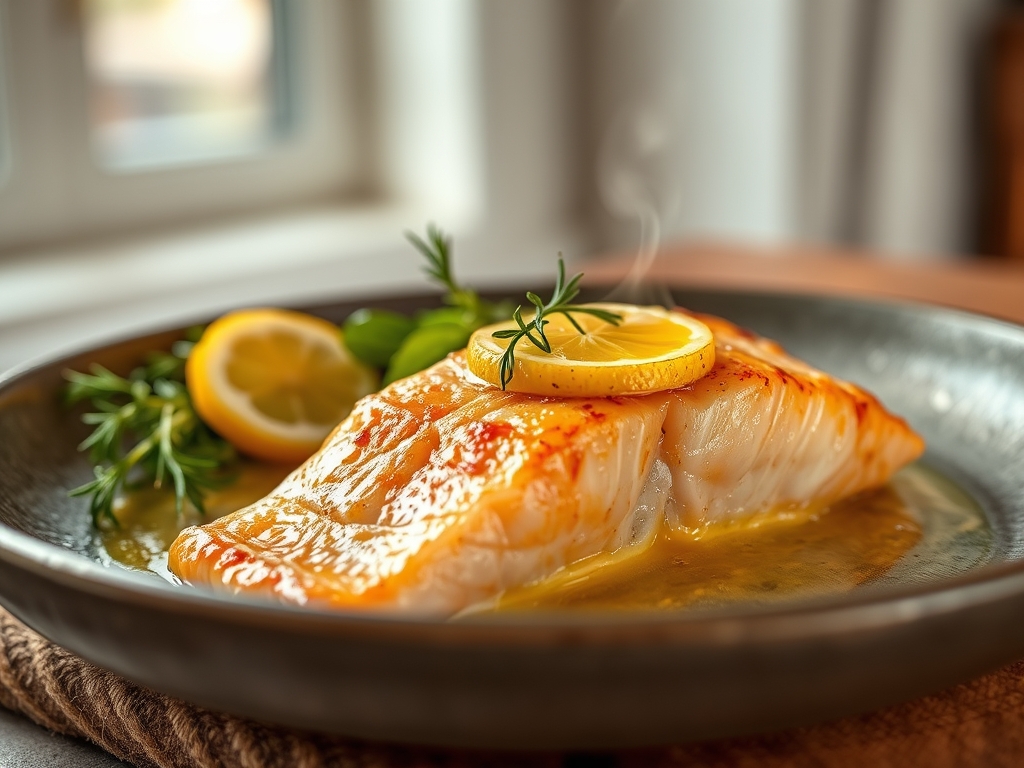
Picture the scene. It is Tuesday night; your kitchen is bathed in the amber glow of the oven light, and the air is thick with the scent of toasted citrus and nutty, browned fat. We have all been there: staring at a beautiful fillet of fish, terrified of turning it into a dry, chalky brick. But today, we are mastering the art of the Atlantic. These baked salmon recipes lemon butter style are not just about feeding yourself; they are about understanding the molecular magic that happens when high-quality lipids meet cold-water proteins. We are aiming for that translucent, butter-soft center and a flake that yields to the slightest pressure of a fork. It is time to ditch the guesswork and embrace the chemistry of the kitchen. Grab your favorite apron and a glass of crisp Sauvignon Blanc. We are about to transform a simple protein into a restaurant-grade masterpiece using nothing but heat, acid, and a little bit of technical finesse.
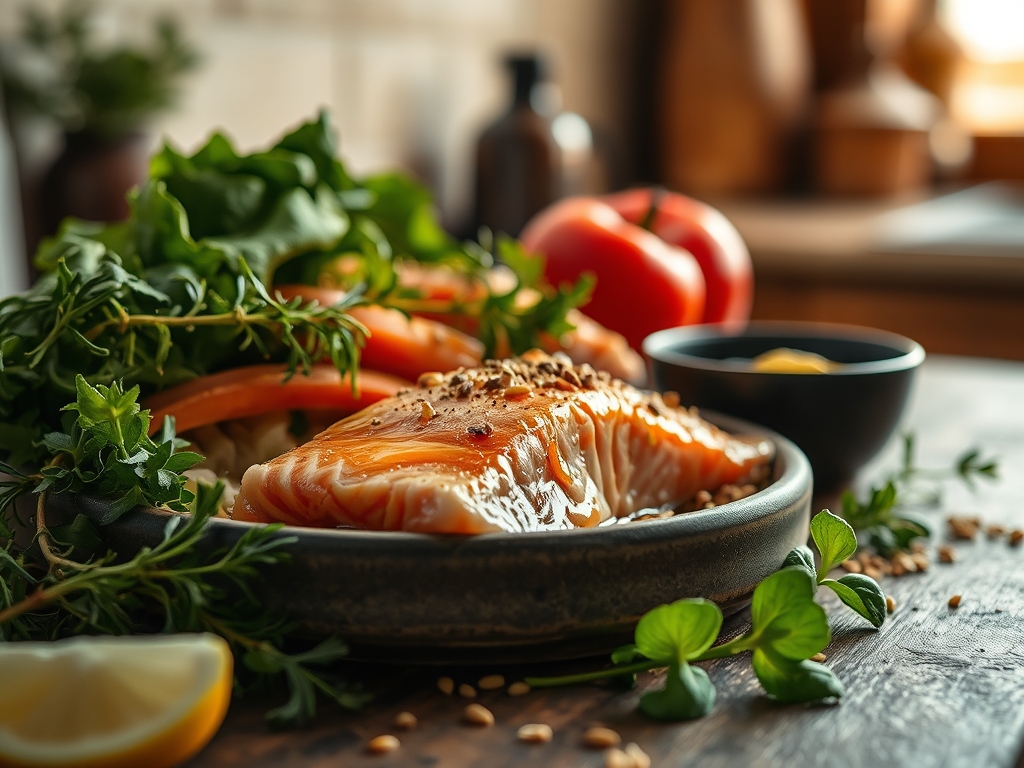
The Gathers:
To achieve perfection, your mise-en-place must be precise. Start with a two-pound center-cut salmon fillet. This cut is superior because its uniform thickness ensures even heat distribution. You will need four tablespoons of unsalted European-style butter; this has a higher butterfat content and lower water percentage than standard sticks, which leads to a more viscous and rich sauce. Gather three large, heavy lemons. We will use the zest for its aromatic oils and the juice for its piquant acidity.
Freshness is non-negotiable. You need four cloves of garlic, finely minced with a bench scraper or pressed to release their pungent allicin. For herbs, reach for fresh dill and flat-leaf parsley. Their chlorophyll adds a bright, grassy contrast to the heavy fats. Do not forget the sea salt and freshly cracked black pepper. If you want to elevate the profile, a pinch of smoked paprika provides a subtle earthiness that mimics a wood-fired grill.
Smart Substitutions: If you are avoiding dairy, a high-quality ghee or a clarified olive oil works beautifully. Ghee has a higher smoke point and provides a similar nutty profile without the milk solids. For those seeking a floral twist, swap one lemon for a Meyer lemon or even a lime to shift the acidity profile toward the tropical.
The Clock
Efficiency in the kitchen is all about the "Chef's Flow." You are looking at 10 minutes of active prep and 12 to 15 minutes of roasting time. However, the most important part of the clock is the tempering period. Never take salmon straight from the refrigerator to the oven. Allow the fish to sit at room temperature for 15 to 20 minutes. This prevents the muscle fibers from seizing up when they hit the heat, ensuring a much more tender result. While the fish tempers, use your microplane to zest the lemons and preheat your oven to 375 degrees Fahrenheit. This moderate temperature allows the fat to render slowly without scorching the delicate proteins.
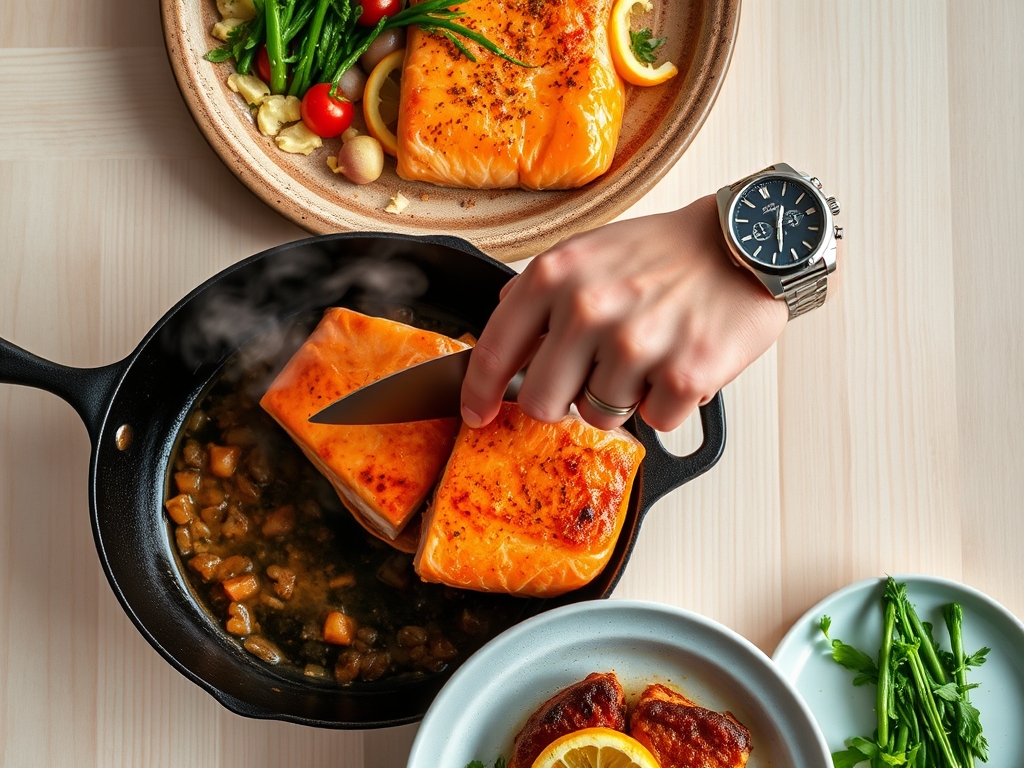
The Masterclass
1. The Desiccation Ritual
Pat the salmon bone-dry with paper towels. Any surface moisture will create steam, which prevents the butter from adhering and stops the slight Maillard reaction we want on the surface.
Pro Tip: Removing surface moisture prevents the formation of albumin; that white, unappealing protein that leaks out when salmon is cooked too fast or while too wet.
2. The Emulsion Base
In a small saucier, melt your butter over low heat. Add the garlic and cook until fragrant but not browned. Whisk in the lemon juice and zest vigorously to create a temporary emulsion.
Pro Tip: Emulsifying the lemon juice into the butter ensures the acid is evenly distributed, preventing the citrus from "cooking" the fish prematurely like a ceviche.
3. The Seasoning Layer
Place the fish on a parchment-lined baking sheet. Generously season with salt and pepper from a height to ensure even coverage. Use your hands to massage the spices into the flesh.
Pro Tip: Salting early allows the salt to penetrate the protein structures, seasoning the fish deeply rather than just sitting on the surface.
4. The Butter Bath
Pour two-thirds of the lemon-butter mixture over the fillet. Use a pastry brush to ensure every millimeter is coated. Tuck thin lemon slices under the edges of the fish.
Pro Tip: The lemon slices act as a thermal buffer, protecting the thinner edges of the fillet from overcooking while the thicker center catches up.
5. The Precision Roast
Slide the tray into the center rack. Roast for 12 to 14 minutes. You are looking for an internal temperature of 125 to 130 degrees Fahrenheit for a perfect medium-rare.
Pro Tip: Use a digital thermometer to check the thickest part. Thermal carryover will raise the temperature another 5 degrees once it is removed from the oven.
6. The Herb Infusion
Once out of the oven, immediately tent the fish with foil. Let it rest for 5 minutes. This allows the juices to redistribute through the muscle fibers.
Pro Tip: Resting is a thermodynamic necessity. It prevents the juices from rushing out the moment you slice into the fillet, keeping the meat succulent.
7. The Final Glaze
Pour the remaining lemon butter over the rested fish and shower it with the fresh chopped herbs. The residual heat will infuse the herbs into the sauce without wilting them into mush.
Pro Tip: Adding fresh herbs at the very end preserves their volatile aromatic compounds, which are destroyed by prolonged oven heat.
The Deep Dive
From a nutritional standpoint, this dish is a powerhouse. A six-ounce serving provides roughly 34 grams of high-quality protein and is loaded with Omega-3 fatty acids, which are essential for brain health and reducing inflammation.
Dietary Swaps: For a Keto-compliant meal, serve this alongside roasted asparagus or a cauliflower mash. For a Vegan alternative, the lemon-butter sauce is incredible over "steaks" made from roasted cauliflower or thick slices of king oyster mushrooms. If you are Gluten-Free, you are already in the clear; just ensure your spices are certified.
The Fix-It:
- Dry Fish: If you overcooked it, flake the salmon and fold it into a pasta with extra butter and cream to restore moisture.
- Bland Flavor: If it lacks punch, add a splash of cold lemon juice or a sprinkle of flaky sea salt right before serving to brighten the palate.
- Albumin Overload: If the white protein appears, simply brush it away with a pastry brush dipped in butter before presenting.
Meal Prep: To reheat, avoid the microwave at all costs. It turns salmon into rubber. Instead, place the leftover fillet in a shallow pan with a tablespoon of water, cover tightly with foil, and warm in a 300-degree oven for 8 minutes. This gentle steaming method preserves the original texture.
The Wrap-Up
Mastering baked salmon recipes lemon butter is a rite of passage for any home cook. It is the perfect intersection of simplicity and sophistication. By focusing on the temperature of the protein and the quality of your fats, you have moved beyond following a recipe and into the realm of culinary intuition. This dish is bright, rich, and incredibly satisfying. Now, take that beautiful platter to the table, share it with someone you love, and bask in the glory of a perfectly executed meal. You have earned it!
The Kitchen Table
How do I know when the salmon is done without a thermometer?
Gently press the top of the fillet with a fork or your finger. If the meat begins to flake along the natural white lines (the fat deposits), it is ready to be pulled from the heat.
Can I use frozen salmon for this recipe?
Yes, but ensure it is completely thawed in the refrigerator overnight. Pat it exceptionally dry with paper towels to remove excess moisture from the freezing process before applying the lemon butter sauce.
Why is my lemon butter sauce separating?
Separation usually happens if the lemon juice is added too quickly to very hot butter. Whisk constantly over low heat to maintain the emulsion, or add a teaspoon of Dijon mustard to act as a stabilizer.
Should I leave the skin on while baking?
Always leave the skin on. It acts as a natural heat shield for the delicate flesh and helps retain moisture. You can easily slide the meat off the skin with a spatula once it is cooked.