
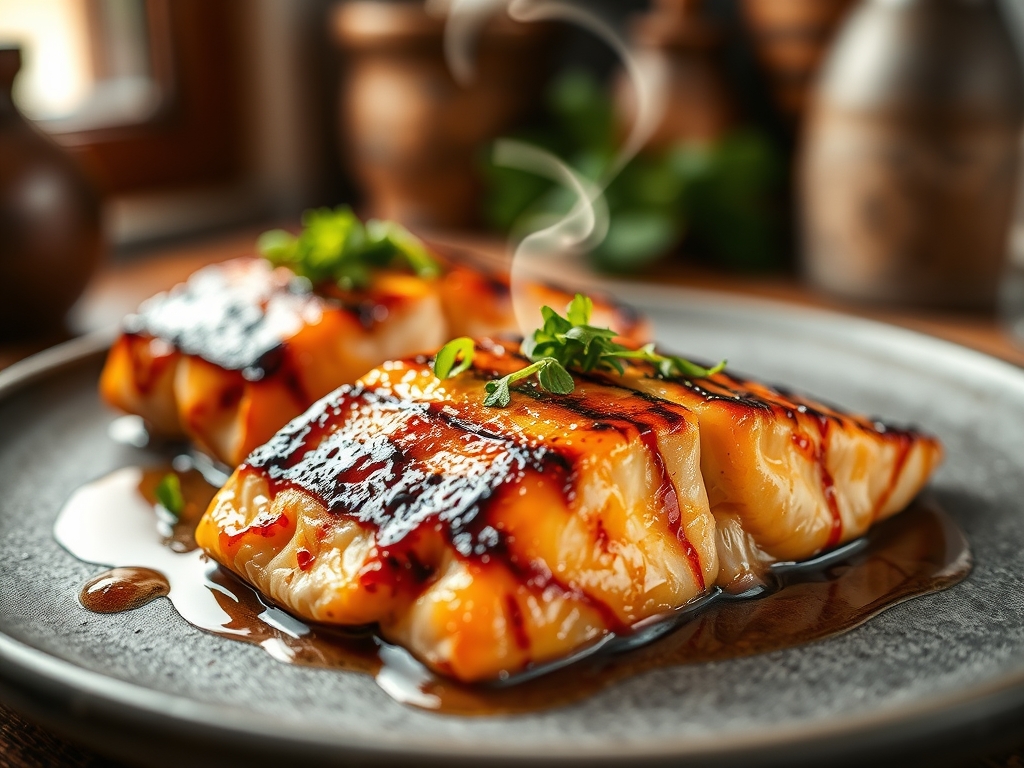
Imagine the sound of a cold, marbled fillet hitting a scorching grill grate. The immediate hiss is more than just noise; it is the symphony of amino acids and reducing sugars colliding to create a savory crust. When you are hunting for the ultimate grilled teriyaki salmon recipes, you are not just looking for dinner. You are looking for that perfect balance of oceanic richness and a sticky, umami-laden lacquer that clings to the fork.
The secret to a restaurant-quality finish lies in the intersection of temperature control and sugar concentration. Most home cooks struggle with salmon that either sticks to the grates or emerges dry and chalky. By mastering the science of the marinade and the physics of the sear, we can transform a simple piece of protein into a masterpiece of texture. We are going to dive deep into the chemistry of the glaze, the importance of fat-to-acid ratios, and why your digital thermometer is your most loyal companion in the kitchen. Let us roll up our sleeves and get into the technical beauty of the perfect char.
The Gathers:
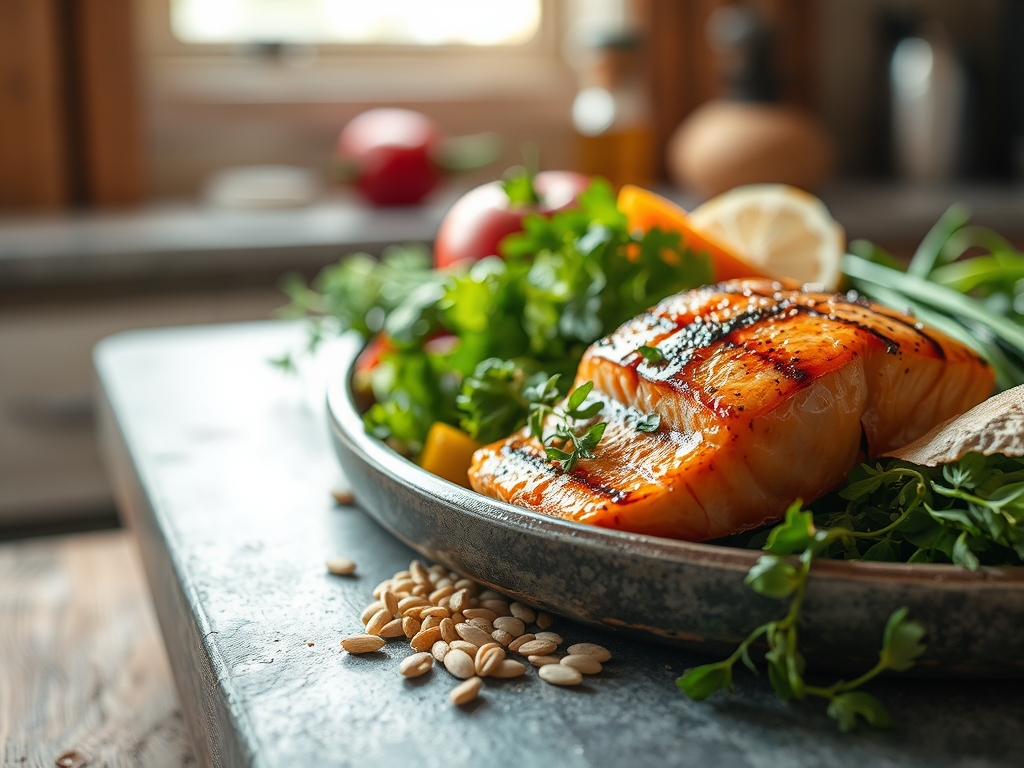
To execute these grilled teriyaki salmon recipes with precision, your mise-en-place must be flawless. Start with a high-quality center-cut fillet, preferably King or Atlantic for their superior fat content. You will need a saucier to reduce your glaze; its rounded bottom prevents sugars from scorching in the corners.
The base of your sauce requires a high-quality soy sauce or tamari for depth. Use a microplane to grate fresh ginger and garlic into a fine paste. This increases the surface area, allowing the aromatics to infuse the liquid more efficiently. You will also need mirin, a Japanese rice wine that provides a subtle sweetness and a beautiful sheen. For the acid component, rice vinegar provides a piquant counterpoint to the heavy fats of the fish.
Smart Substitutions: If you are watching your refined sugar intake, swap the traditional brown sugar for coconut aminos or a splash of pineapple juice. The bromelain enzymes in pineapple juice act as a natural tenderizer, though you must limit marinating time to under thirty minutes to prevent the protein from becoming mushy. For a smoky depth without a charcoal grill, a drop of liquid smoke or a teaspoon of smoked paprika works wonders.
The Clock
Efficiency in the kitchen is all about the Chef's Flow. This is the art of sequencing tasks so that no time is wasted. Total active prep time should take no more than fifteen minutes, while the cooking process itself is a lightning-fast eight to ten minutes.
The "hidden" time lies in the marination and the resting phase. Budget thirty minutes for the salmon to brine in the teriyaki mixture. This allows the salt to penetrate the muscle fibers, which helps the fish retain moisture during the high-heat cook. After the fish leaves the grill, a five-minute rest is mandatory. This allows for thermal carryover, where the internal temperature rises by about five degrees, ensuring the center is perfectly translucent rather than opaque and dry.
The Masterclass
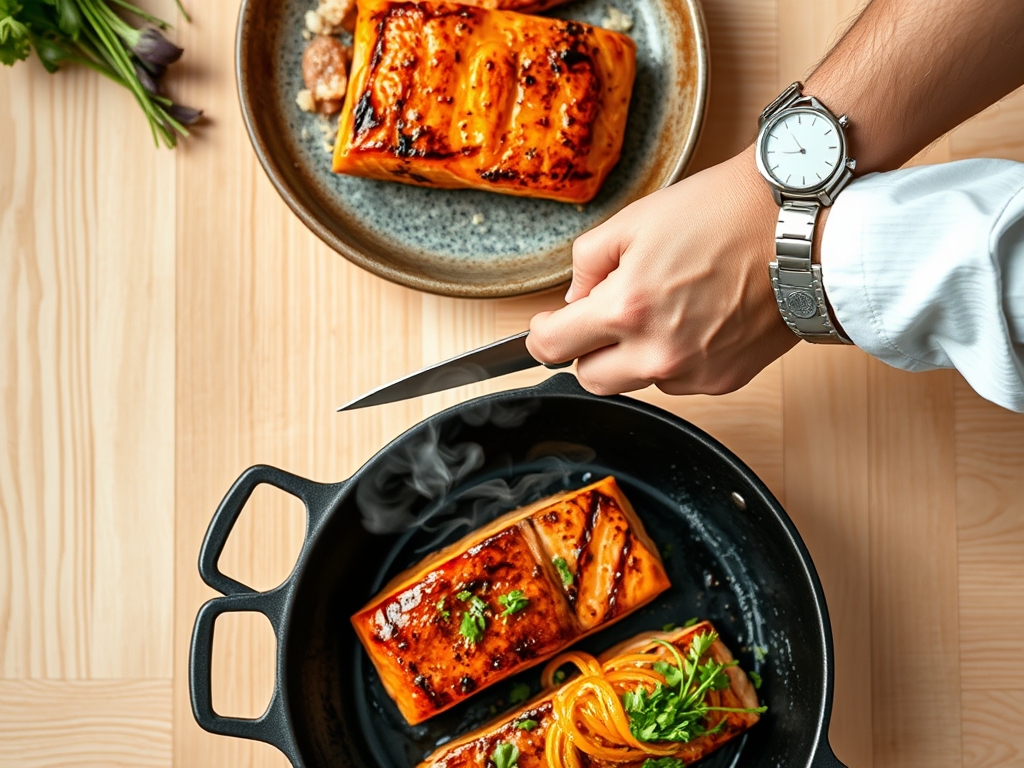
1. The Low-Moisture Pat Down
Before the marinade even touches the fish, use a paper towel to bone-dry the skin. Moisture is the enemy of the Maillard reaction. If the surface is wet, the heat of the grill will be spent evaporating water rather than browning the protein.
Pro Tip: This prevents the fish from steaming. Scientifically, water absorbs a massive amount of energy to turn into vapor, which keeps the surface temperature too low for browning.
2. Emulsifying the Glaze
Combine your soy, mirin, and aromatics in your saucier. Whisk vigorously as you simmer the mixture to aerate and combine the fats and sugars into a viscous syrup. The glaze should coat the back of a spoon.
Pro Tip: Reducing the sauce concentrates the solutes. This increases the boiling point, allowing the glaze to caramelize quickly on the grill without burning.
3. The Cold-Start Marinade
Submerge the fillets in a shallow dish. Ensure the skin side remains dry if you want maximum crispness. Let the fish sit at room temperature for twenty minutes to take the chill off.
Pro Tip: Cold fish hits a hot grill and causes the muscle fibers to contract violently. This squeezes out "albumin," that white protein goop. Room-temp fish cooks more evenly.
4. Seasoning the Grates
Clean your grill grates with a wire brush and use tongs to rub them with an oil-soaked cloth. Choose an oil with a high smoke point, like avocado or grapeseed oil.
Pro Tip: This creates a polymerized layer of oil, essentially making your grill non-stick. It is the same principle used to season a cast-iron skillet.
5. The Initial Sear
Place the salmon flesh-side down first. Do not move it. You need to wait for the proteins to render and release naturally from the metal. If it sticks, it is not ready to flip.
Pro Tip: This is known as the "release point." Once the crust forms, the chemical bonds between the fish and the grate break, allowing for a clean flip.
6. The Glazing Phase
Flip the fish to the skin side and begin brushing the reduced glaze onto the cooked flesh. Use a silicone brush to avoid tearing the delicate flakes.
Pro Tip: Applying the glaze too early results in charred, bitter carbon. By waiting until the final two minutes, you achieve a "lacquer" effect through sugar dehydration.
7. The Precision Pull
Use a digital scale or a probe thermometer to check the internal temperature. Pull the salmon at 125 degrees Fahrenheit for medium-rare or 130 degrees for medium.
Pro Tip: Thermal carryover is a thermodynamic certainty. The exterior heat will continue to migrate toward the center even after the fish is removed from the heat source.
The Deep Dive
From a nutritional standpoint, grilled teriyaki salmon recipes are a powerhouse. A six-ounce portion delivers roughly 34 grams of high-quality protein and is rich in Omega-3 fatty acids, which are essential for brain health. To keep it Keto-friendly, replace the sugar in the glaze with monk fruit sweetener and use tamari to keep it Gluten-Free. For a vegan "salmon" alternative, firm tofu or thick-cut cauliflower steaks can be treated with the exact same glazing technique.
The Fix-It:
- Fish Sticking: Your grill wasn't hot enough or you tried to flip too early. Use a bench scraper to gently lift the edges next time.
- White Goop (Albumin): This means you overcooked the fish or cooked it too fast. Lower your heat and pull the fish sooner.
- Burnt Glaze: The sugar content in teriyaki is high. Only apply the glaze in the final sixty to ninety seconds of cooking.
Meal Prep Science: To reheat salmon without it smelling "fishy" or turning into rubber, use the "low and slow" method. Place it in a 275-degree oven with a splash of water and cover it with foil. This creates a small steam chamber that rehydrates the proteins without over-denaturing them.
The Wrap-Up
Mastering grilled teriyaki salmon recipes is a rite of passage for any home chef who loves the marriage of fire and flavor. By understanding the chemistry of the Maillard reaction and the physics of heat transfer, you move beyond following a recipe and start cooking with intuition. Remember to dry your skin, trust your thermometer, and always let the glaze be the grand finale. Now, grab those tongs and get to work; your perfect dinner is only ten minutes away.
The Kitchen Table
How do I prevent my salmon from falling apart on the grill?
Ensure your grill is very hot and well-oiled. Start flesh-side down and do not touch the fish until it naturally releases from the grates. Using a wide spatula or a bench scraper provides the best support for flipping.
Can I use frozen salmon for this recipe?
Yes, but thaw it completely in the refrigerator first. Pat it extremely dry with paper towels to remove excess moisture. Frozen fish often has more surface water, which can prevent the glaze from adhering properly to the protein.
What is the best way to get crispy skin?
Start by descaling the skin thoroughly. Score the skin lightly with a sharp knife to prevent curling. Cook the salmon skin-side down for the majority of the time to render the fat and create a cracker-like texture.
How long can I marinate salmon in teriyaki sauce?
Limit marination to 30 to 60 minutes. Because teriyaki contains salt and acid, a long soak will begin to "cook" the fish like ceviche, resulting in a mushy texture once it actually hits the high heat of the grill.