
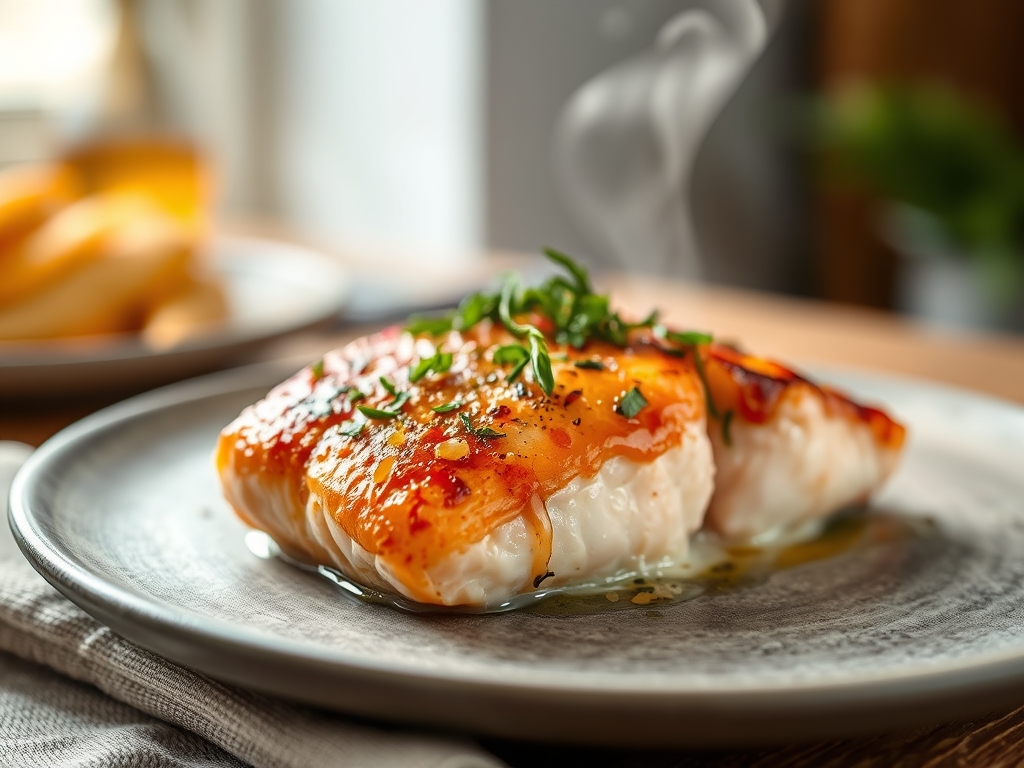
Picture the sizzle of cold protein meeting a preheated sheet pan; the sound is a chemical promise of a perfect crust. When you are chasing a deadline but craving something sophisticated, one pan salmon recipes are your absolute secret weapon for a high-performance dinner. We are talking about the intersection of efficiency and elegance where cleanup is a footnote rather than a chore.
The magic happens when you leverage a single heat source to create a complete ecosystem of flavor. As the salmon renders its healthy fats, those lipids baste your accompanying vegetables, infusing them with a rich, savory depth that no steamed side dish could ever hope to replicate. It is not just about saving time; it is about the strategic application of heat to transform raw, vibrant ingredients into a cohesive, restaurant-quality masterpiece.
Imagine the scent of lemon zest and garlic hitting the hot metal, immediately releasing volatile aromatic compounds that fill your kitchen. This is the ultimate low-effort, high-reward culinary strategy. By the time you have poured a glass of crisp Sauvignon Blanc, the oven has done the heavy lifting for you. Let us dive into the mechanics of making these eight variations work for your busy schedule without sacrificing a single ounce of culinary integrity.
The Gathers:
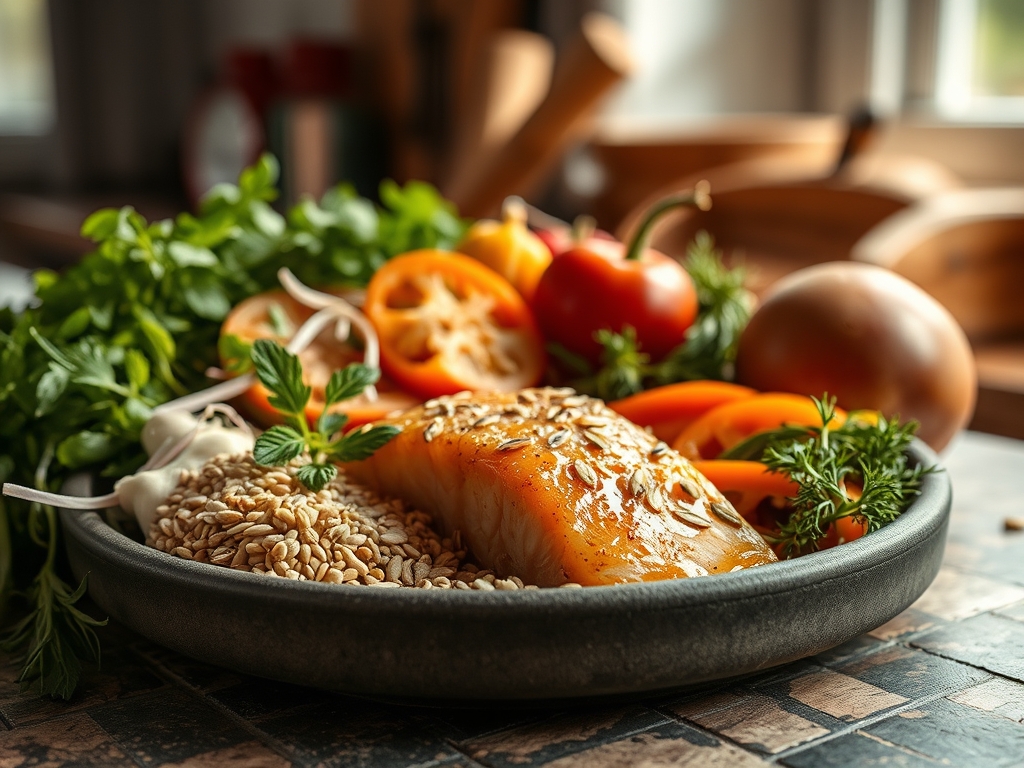
To execute these one pan salmon recipes with precision, your mise-en-place must be intentional. Start with high-quality fillets, preferably center-cut for uniform thickness, which ensures even thermal distribution. You will need a heavy-bottomed rimmed baking sheet or a large cast-iron skillet to prevent warping under high heat.
Your flavor foundation relies on aromatics. Reach for your microplane to create a fine paste of garlic and ginger; this increases the surface area for maximum flavor extraction. Fresh herbs like dill, parsley, and cilantro provide a piquant finish that cuts through the richness of the fish. For the vegetable component, select items with similar cook times to the salmon, such as asparagus spears, broccolini, or thinly sliced bell peppers.
Smart Substitutions:
If you are out of fresh lemons, a splash of rice vinegar or a pinch of sumac provides that necessary acid profile to balance the fats. No honey for your glaze? Maple syrup offers a similar viscosity and a complex, woody sweetness. If you find your pantry lacks fresh herbs, a high-quality dried oregano or thyme can be used, but remember to crush them between your palms first to aerate and release their dormant oils.
The Clock
Efficiency in the kitchen is all about the "Chef's Flow." For these one pan salmon recipes, expect a total commitment of 25 to 30 minutes. The prep phase takes roughly 10 minutes; this involves the rapid chopping of vegetables using a sharp chef knife and a bench scraper to transfer ingredients cleanly.
The cooking phase is a precise 12 to 15-minute window at 400 degrees Fahrenheit. This specific temperature is the sweet spot for achieving the Maillard reaction on the exterior while maintaining a succulent, translucent center. The final five minutes are reserved for resting, a non-negotiable step where the internal juices redistribute, ensuring your first bite is as moist as the last.
The Masterclass
1. Temper and Prep
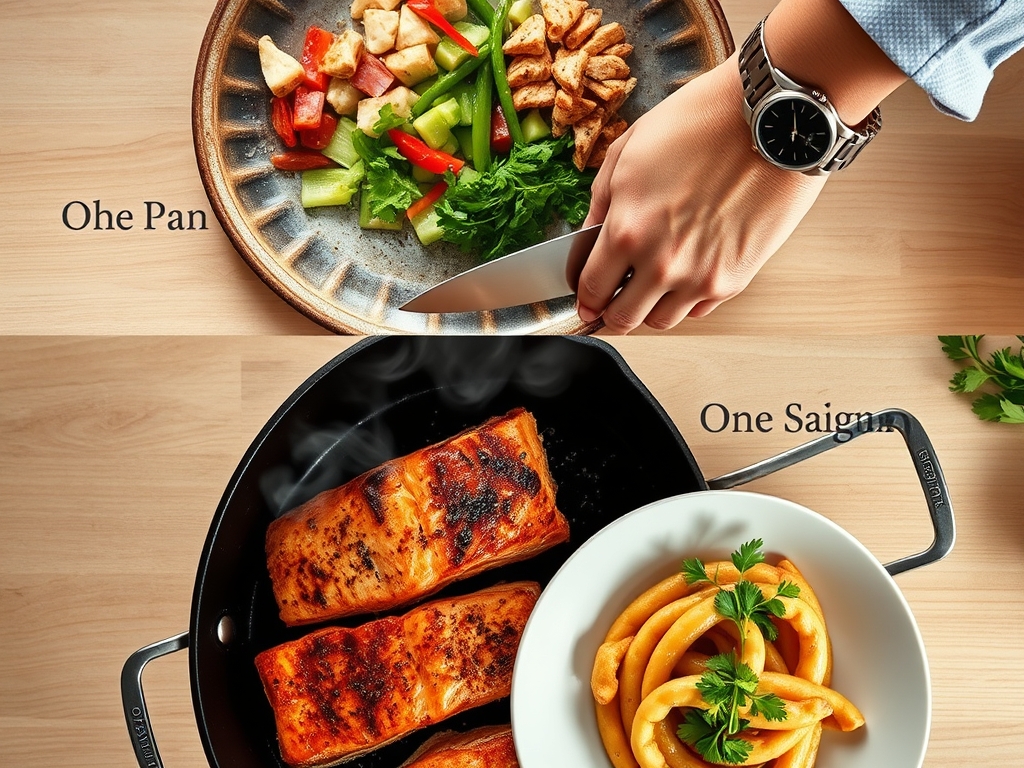
Remove your salmon from the refrigerator 15 minutes before cooking. Bringing the fish closer to room temperature prevents a "thermal shock" that causes the muscle fibers to tighten and push out moisture. Use a paper towel to pat the skin bone-dry; moisture is the enemy of a crisp finish.
Pro Tip: This process minimizes the temperature gradient between the pan and the protein, ensuring the center reaches safety levels without the exterior becoming fibrous and overcooked.
2. Season and Emulsify
Coat your salmon and vegetables in a high-smoke-point oil like avocado or grapeseed oil. Use a small saucier to whisk together your glaze components, such as soy sauce, honey, and Dijon mustard. This creates a temporary emulsion that will cling to the fish rather than sliding off onto the pan.
Pro Tip: Adding a pinch of salt early allows it to penetrate the protein structure through osmosis, seasoning the fish deeply rather than just on the surface.
3. The Strategic Layout
Arrange the salmon fillets in the center of the pan, surrounded by your vegetables. Use tongs to ensure the vegetables are in a single layer; crowding the pan creates steam, which leads to soggy textures rather than roasted perfection.
Pro Tip: Leave space between each component to allow hot air to circulate. This promotes enzymatic browning, which develops those complex, nutty flavors we crave.
4. The Heat Application
Slide the pan into the center rack of the oven. If you are using a glaze, apply half at the start and the remaining half during the last three minutes of cooking. This prevents the sugars in the glaze from burning while still allowing them to become viscous and tacky.
Pro Tip: Use a digital scale or a meat thermometer to check for an internal temperature of 125 to 130 degrees Fahrenheit for a perfect medium-rare.
5. The Rest and Finish
Once removed from the oven, let the pan sit on a cooling rack. The thermal carryover will continue to cook the fish by another 5 degrees. Finish with a fresh squeeze of citrus and a sprinkle of flaky sea salt to brighten the heavy fats.
Pro Tip: Resting allows the protein structures to relax and reabsorb the internal moisture that was pushed toward the center during the high-heat phase.
The Deep Dive
From a nutritional standpoint, these one pan salmon recipes are a powerhouse. A standard 6-ounce fillet provides roughly 34 grams of high-quality protein and is loaded with Omega-3 fatty acids, which are essential for brain health and reducing inflammation.
Dietary Swaps:
For a Keto version, swap the honey in glazes for liquid monk fruit or simply rely on a lemon-butter-herb infusion. Vegan guests can follow the same vegetable roasting techniques but substitute the salmon with thick "steaks" of cauliflower or firm tofu. For Gluten-Free needs, ensure your soy sauce is replaced with tamari or liquid aminos.
The Fix-It:
- White Stuff on Salmon: This is albumin, a protein that leaches out when salmon is cooked too fast or too long. Fix: Lower your oven temp or take the fish out 2 minutes earlier.
- Soggy Vegetables: This happens due to overcrowding. Fix: Use two pans if necessary or cut vegetables into smaller, uniform pieces to speed up their roasting time.
- Stuck Skin: The pan wasn't hot enough or lacked oil. Fix: Use a thin metal spatula to gently pry the fish up, or use parchment paper for a guaranteed release.
Meal Prep:
To reheat without losing quality, avoid the microwave. Instead, place the salmon in a 275-degree oven with a splash of water and cover with foil. This creates a gentle steam environment that revives the fats without toughening the protein.
The Wrap-Up
Mastering one pan salmon recipes is about more than just a quick dinner; it is about reclaiming your evening. By understanding the science of heat and the importance of high-quality tools like a microplane and a digital thermometer, you elevate a simple meal into a culinary event. These eight variations offer a palette of flavors from spicy chipotle to zesty Mediterranean, ensuring you never grow tired of this healthy staple. Now, grab your sheet pan and let the oven do the work while you finally take a breath.
The Kitchen Table
How do I prevent salmon from smelling "fishy"?
Always buy high-quality, fresh fish and rinse it with cold water before patting dry. The "fishy" smell comes from Trimethylamine (TMA) being released as the fish ages; fresh acid like lemon juice neutralizes these compounds instantly.
Can I use frozen salmon for these recipes?
Yes, but you must thaw it completely in the refrigerator overnight. Pat it extremely dry to remove excess ice crystals; otherwise, the extra moisture will steam the fish rather than roasting it, ruining the texture.
What is the best way to tell if salmon is done?
The most reliable method is using a digital thermometer to hit 130 degrees Fahrenheit. Alternatively, press the top of the fillet gently with a fork; if the flesh flakes easily along the natural white lines, it is ready.
Should I leave the skin on during roasting?
Absolutely. The skin acts as a thermal barrier, protecting the delicate flesh from the direct heat of the pan. It also contains a high concentration of oils that keep the fish moist and flavorful during the roasting process.