
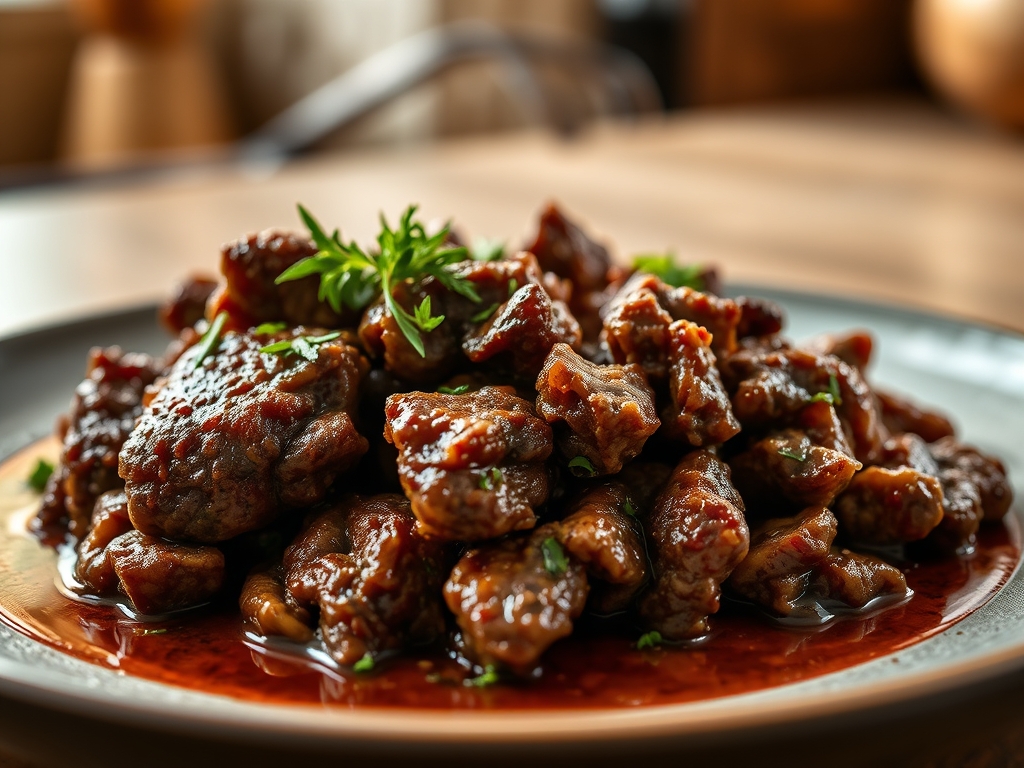
Picture the sound of a heavy bottomed cast iron skillet meeting the flame; it is a low hum that promises the best part of your day. As the metal heats, you drop in a portion of protein and the room fills with that unmistakable, savory perfume of searing meat. Finding truly delicious ground beef recipes is about more than just dinner; it is about mastering the alchemy of fat and fire to create something soulful. We are moving past the grainy, grey textures of cafeteria mystery meat and stepping into a world where every bite is a calculated balance of salt, acid, and heat.
Ground beef is the ultimate culinary chameleon. It is accessible, sure, but in the hands of someone who understands the Maillard reaction, it becomes a gourmet foundation. Whether you are craving the snap of a perfectly seared smash burger or the silky depth of a slow simmered Bolognese, the secret lies in the technique. We are going to explore seven distinct ways to transform this humble staple into a rotation of masterpieces that will make your kitchen the most popular spot in the neighborhood. Grab your apron; we are about to make magic.
The Gathers:
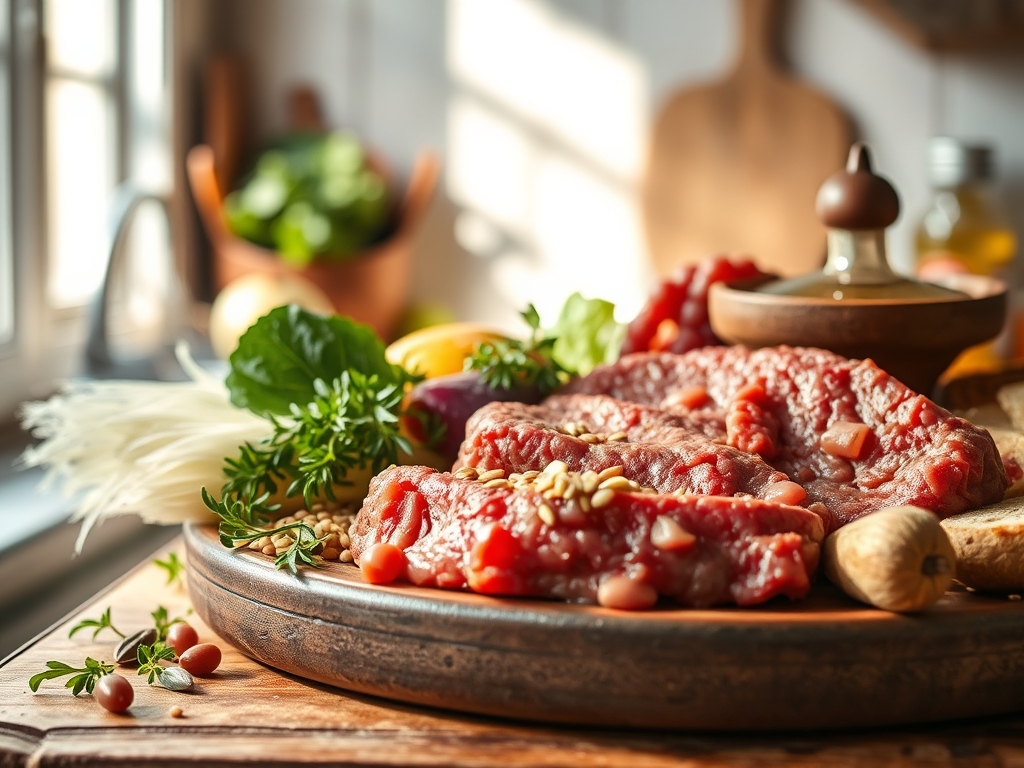
To execute these delicious ground beef recipes with precision, your mise-en-place must be impeccable. Start with the protein. Aim for an 80/20 lean to fat ratio. This specific percentage ensures enough lipid content to render out and fry the meat in its own juices, creating those coveted crispy edges without leaving the center desiccated. You will need a high quality sea salt to draw out moisture and a pepper mill to provide a piquant, fresh cracked bite.
Your aromatic base is the "holy trinity" of flavor: yellow onions for their high sugar content, garlic for its pungent sulfur compounds, and celery for structural bitterness. Keep a bottle of dry red wine or a splash of balsamic vinegar nearby to deglaze the pan; this lifts the fond (those browned bits stuck to the bottom) and incorporates them back into the sauce for maximum umami.
Smart Substitutions: If you are looking to lighten the profile, you can swap half the beef for finely minced cremini mushrooms. This "blenditarian" approach maintains the meaty texture while adding a dose of ergothioneine antioxidants. For those avoiding nightshades, replace tomato paste with a reduction of roasted beets and a touch of lemon juice to mimic the acidity and color.
The Clock
Efficiency in the kitchen is about "Chef's Flow," the art of overlapping tasks so no heat is wasted. Prep for these dishes typically takes 20 minutes of focused knife work. You want your aromatics uniform so they soften at the same rate. Total cook times vary from the 10 minute high heat sear of a burger to the 45 minute gentle simmer of a cottage pie.
The flow works like this: always start your starches first. If you are serving over pasta or rice, get that water boiling before the beef even hits the pan. While the meat undergoes enzymatic browning, use those idle minutes to grate your cheese with a microplane or chop fresh parsley. By the time the beef has reached its peak internal temperature, your sides are ready, and you are not scrambling to finish three things at once.
The Masterclass
1. The High Heat Sear
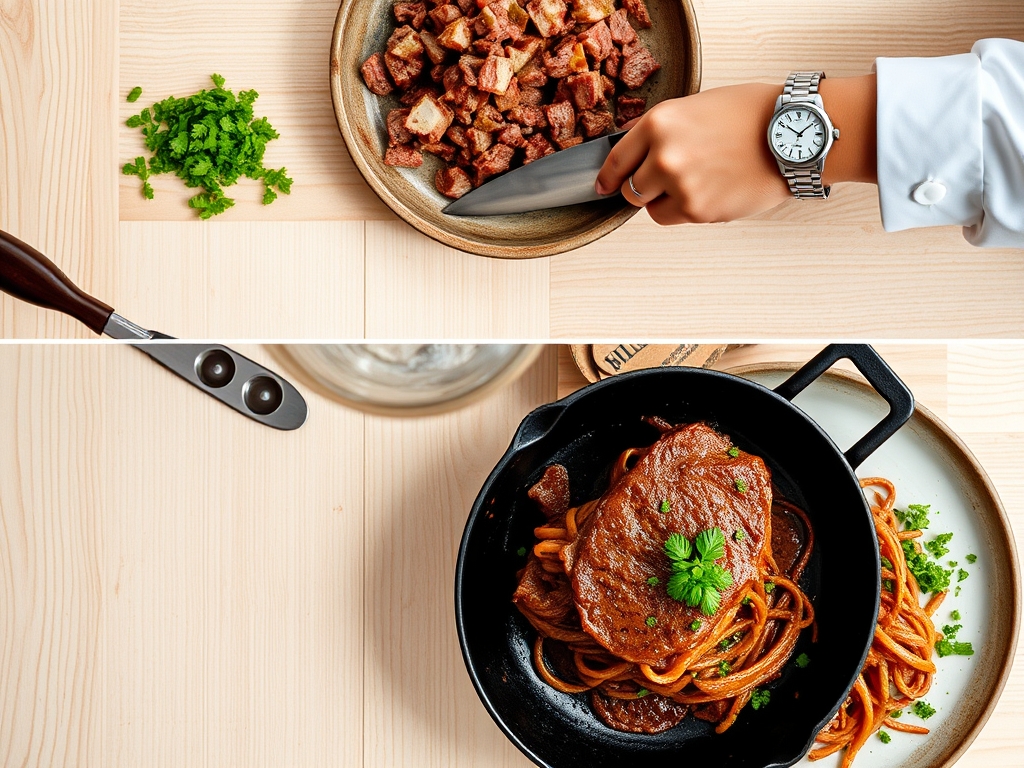
Place your heavy bottomed skillet over medium high heat until it wisps with smoke. Add the beef in a single, flat layer. Do not stir it immediately. Let it sit for three minutes to develop a deep, mahogany crust. Use a sturdy metal spatula to flip and break the meat into large, craggy chunks.
Pro Tip: This is the Maillard reaction in action. By resisting the urge to stir, you allow the amino acids and reducing sugars to rearrange into hundreds of flavor compounds. If you stir too early, the meat steams in its own vapor rather than searing.
2. Deglazing the Fond
Once the meat is browned and removed, you will see a brown film on the skillet. Pour in half a cup of liquid (stock, wine, or water). Use a wooden spoon to scrape the bottom vigorously. The liquid will turn dark and viscous as it absorbs the concentrated beef essence.
Pro Tip: This technique captures "fond," which is French for "base." These caramelized proteins are the most concentrated source of flavor in the entire dish.
3. Emulsifying the Sauce
If you are making a sauce based dish, add your fats (butter or cream) slowly at the end. Use a whisk or a saucier to incorporate the fat into the liquid. This creates a stable emulsion that coats the back of a spoon perfectly.
Pro Tip: Emulsification prevents the sauce from breaking. Adding cold butter to a hot sauce (monter au beurre) creates a glossy finish and a rich mouthfeel that professional chefs swear by.
4. Resting for Carryover Heat
Never serve ground beef dishes like meatloaf or thick burgers immediately. Transfer them to a warm plate and tent with foil for five to seven minutes. This allows the muscle fibers to relax and reabsorb the internal juices.
Pro Tip: Thermal carryover means the internal temperature will rise by about 5 degrees after you remove it from the heat. Pulling the meat slightly early prevents overcooking and ensures a moist result.
The Deep Dive
When we look at the macro nutrition, ground beef is a powerhouse of bioavailable iron, B12, and zinc. An average 4 ounce serving provides roughly 28 grams of protein. For those on a Keto path, the high fat content is a feature, not a bug. To make these recipes Gluten Free, swap traditional breadcrumbs for almond meal or crushed pork rinds to maintain that structural integrity in meatballs.
The Fix-It:
- Greasy Sauce: If your sauce looks oily, use a slice of bread to blot the surface or toss in a few ice cubes; the fat will cling to the cold cubes, allowing you to scoop it out.
- Dry Meat: If the beef feels "rubbery," you likely over-worked the meat. Next time, mix gently with your hands or a bench scraper to avoid over-developing the proteins.
- Bland Flavor: Usually a lack of acid. Add a squeeze of lime or a teaspoon of red wine vinegar at the very end to "wake up" the salt.
Meal Prep Science: To maintain "day one" quality, reheat your beef in a covered pan with two tablespoons of water or stock. This creates a steam chamber that rehydrates the proteins, preventing the "leftover" taste caused by lipid oxidation in the microwave.
The Wrap-Up
Mastering delicious ground beef recipes is your ticket to culinary confidence. It is the bridge between a quick Tuesday night dinner and a sophisticated weekend feast. By understanding how to manage heat, capture flavor through deglazing, and respect the resting process, you have leveled up from a cook to a creator. Go forth, get that skillet screaming hot, and enjoy every savory, craggy, perfectly seasoned bite.
The Kitchen Table
How do I stop ground beef from turning grey?
Ensure your pan is preheated until very hot and do not crowd the skillet. Too much meat at once drops the temperature, causing the beef to boil in its own moisture rather than searing and browning properly.
What is the best way to drain excess fat?
Tilt your skillet and use a large spoon to ladle out the rendered fat into a heat safe container. Alternatively, use tongs to hold a wadded paper towel and carefully blot the excess grease from the pan corners.
Can I freeze cooked ground beef dishes?
Yes. Allow the dish to cool completely to prevent ice crystal formation. Store in airtight containers for up to three months. Reheat slowly with a splash of liquid to restore the original moisture and texture of the meat.
Why is my meatloaf falling apart?
You likely need more "binder" or more rest time. Ensure you use enough egg and breadcrumbs to glue the proteins together. Most importantly, let the meatloaf rest for ten minutes before slicing so the structure can set.