
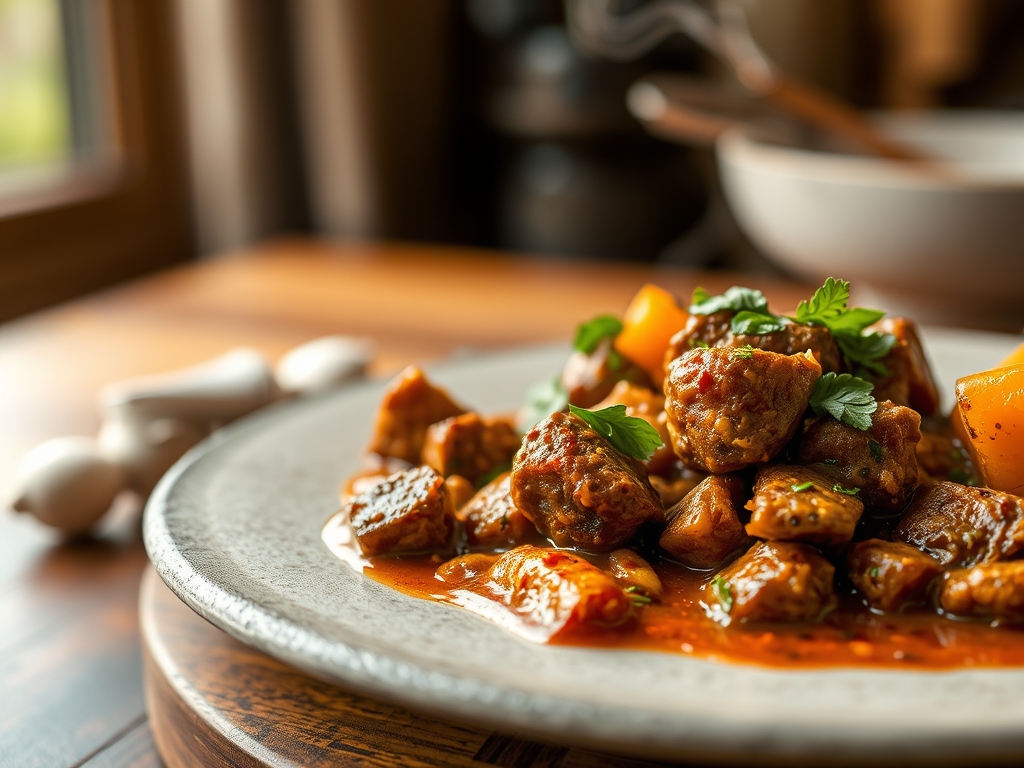
Picture this: a heavy-bottomed skillet resting on your stove, filled with a bubbling, mahogany-hued sauce that smells like a bustling spice market in Old Delhi. The air is thick with the scent of toasted cumin and the sharp, piquant bite of fresh ginger. If you have been searching for the holy grail of indian curry beef recipes, you have finally arrived. This is not just about making dinner; it is about mastering the alchemy of heat, fat, and fiber. We are talking about beef so tender it yields to a spoon, bathed in a sauce that has been reduced until it reaches a perfect, viscous consistency. Most people fail because they rush the process, but you and I are going to lean into the chemistry of flavor. We will be using professional techniques to transform tough connective tissue into buttery bliss. Grab your favorite apron and clear the counter. We are about to turn your kitchen into the most exclusive bistro in town, one spice at a time.
The Gathers:
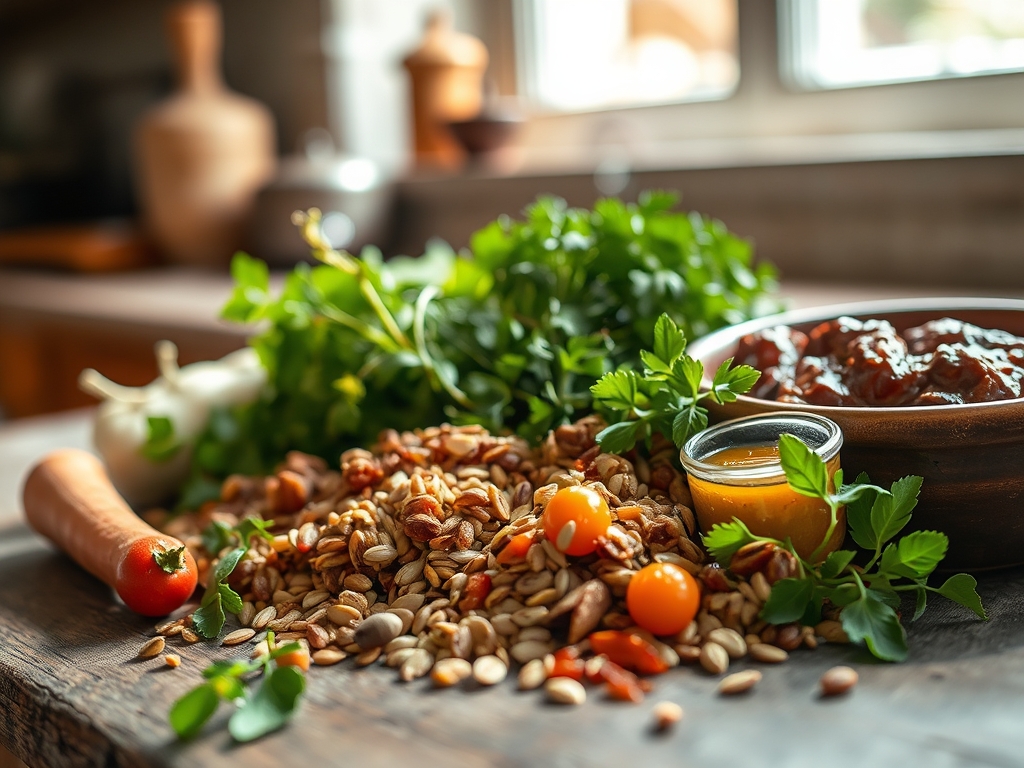
Before we ignite the flame, we must respect the mise-en-place. For the protein, look for chuck roast or brisket. These cuts are high in collagen, which is essential for that luxurious mouthfeel. You will need a digital scale to measure exactly 800 grams of beef, cubed into uniform 1.5-inch pieces to ensure even thermal distribution.
Our spice kit is the heart of the operation. You need whole green cardamom pods, a cinnamon stick, and black peppercorns. For the ground components, gather turmeric, Kashmiri chili powder for that vibrant red hue without excessive heat, and a high-quality garam masala. Use a microplane to grate fresh ginger and garlic into a fine paste; this increases the surface area, allowing the aromatics to infuse the oil more efficiently.
Smart Substitutions: If you cannot find Kashmiri chili, mix three parts paprika with one part cayenne. If you are avoiding dairy, swap the traditional ghee for coconut oil. The medium-chain triglycerides in coconut oil provide a similar stability under high heat while adding a subtle, tropical undertone that complements the beef beautifully.
The Clock:
Mastering the "Chef's Flow" is about managing energy. Total prep time is 25 minutes, primarily focused on the precision of your knife work. Use a sharp chef's knife to dice your onions into a fine brunoise; small, uniform pieces will melt into the sauce, creating that signature thick texture.
The cooking time is a slow burn: 2.5 to 3 hours. This is non-negotiable. We are waiting for the beef to pass the "fork-tender" test, which occurs when internal temperatures reach approximately 205 degrees Fahrenheit. This is the sweet spot where collagen fully converts into gelatin. While the pot simmers, you have ample time to aerate your basmati rice or prepare a cooling cucumber raita.
The Masterclass:
1. The Sear and Render
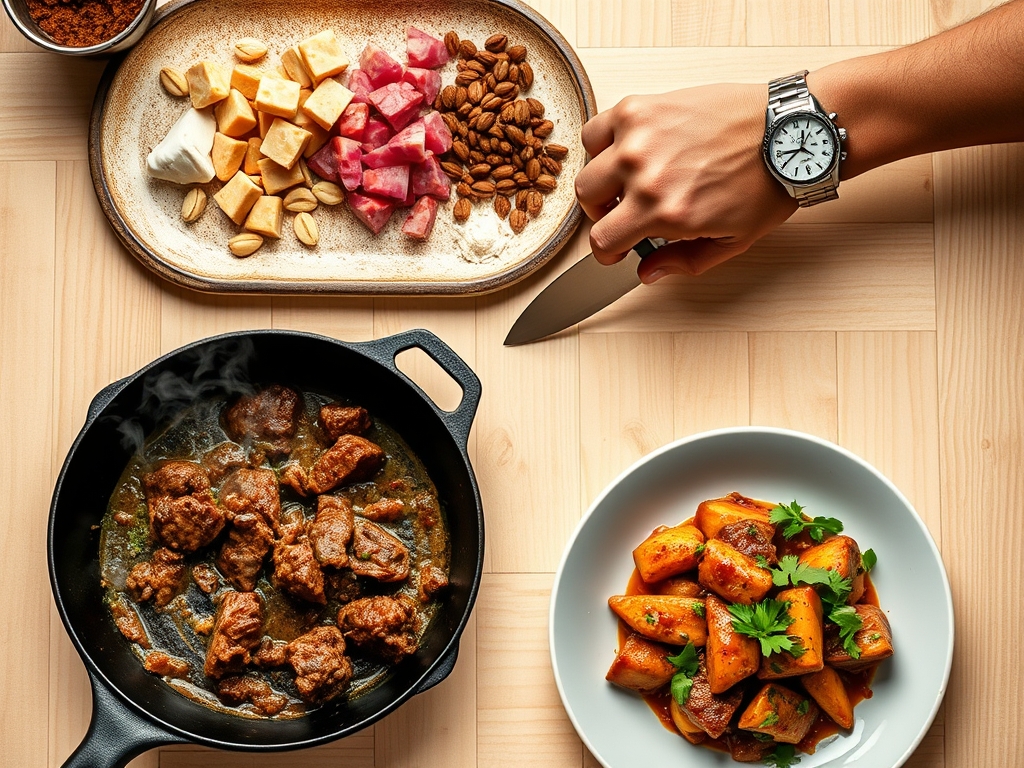
Pat the beef dry with paper towels. Heat your heavy-bottomed skillet until it is wisping smoke, then add a high-smoke-point oil. Sear the beef in batches, ensuring you do not crowd the pan.
Pro Tip: This creates the Maillard reaction, a chemical dance between amino acids and reducing sugars that develops complex, savory flavors. If the pan is too crowded, the meat will steam in its own juices rather than brown.
2. Tempering the Aromatics
Remove the beef and add your whole spices to the rendered fat. Watch for the cardamom pods to swell and the cinnamon to unfurl.
Pro Tip: This process, known as blooming, releases fat-soluble volatile oils that would otherwise remain trapped inside the spices. It creates a foundational layer of flavor that permeates the entire dish.
3. The Onion Caramelization
Add your onions and a pinch of salt. Sauté them over medium heat until they are a deep, jammy brown.
Pro Tip: Salt draws out moisture through osmosis, allowing the onions to break down faster. The long sauté time facilitates caramelization, providing a natural sweetness to balance the piquant spices.
4. Deglazing the Fond
Once the onions are ready, add a splash of water or beef stock. Use a wooden spoon or a bench scraper to lift the brown bits stuck to the bottom of the pan.
Pro Tip: Those bits are called fond. They are concentrated nuggets of flavor. Deglazing incorporates this "gold" back into your sauce, ensuring no flavor is lost to the sink.
5. The Low and Slow Braise
Return the beef to the pan along with your crushed tomatoes and liquid. Cover with a tight-fitting lid and reduce the heat to a whisper.
Pro Tip: This is a braise, a moist-heat cooking method. The steady, low temperature prevents the muscle fibers from tightening too quickly, which would result in dry, stringy meat.
6. The Final Emulsification
Once the beef is tender, remove the lid and turn up the heat slightly to reduce the liquid until it coats the back of a spoon.
Pro Tip: This step concentrates the flavors and creates a stable emulsion between the fats and the water-based liquids. A viscous sauce clings to the meat rather than puddling on the plate.
The Deep Dive:
Macro Nutrition: A standard serving provides approximately 35 grams of protein, 18 grams of fat, and 12 grams of carbohydrates. It is a powerhouse of iron and Vitamin B12.
Dietary Swaps: For a Keto version, omit the onions or use them sparingly and serve over cauliflower rice. For a Vegan alternative, use extra-firm tofu or seitan, but reduce the cooking time significantly as these proteins do not require the same collagen breakdown. This recipe is naturally Gluten-Free, provided your spice blends do not contain anti-caking agents like flour.
The Fix-It:
- Too Salty? Drop in a peeled, halved potato for ten minutes; it acts as a sponge for excess sodium.
- Too Thin? Whisk a teaspoon of chickpea flour with water and stir it in; it thickens without altering the flavor profile.
- Too Spicy? Stir in a tablespoon of Greek yogurt or heavy cream at the very end to coat the palate and dull the capsaicin burn.
Meal Prep: Curry is famously better the next day. As it cools, the spices continue to infuse the meat through a process called flavor maturation. To reheat, use a saucier over low heat and add a tablespoon of water to restore the original viscosity. Avoid the microwave if possible, as it can cause the fats to separate and make the beef rubbery.
The Wrap-Up:
You have just navigated the complex world of indian curry beef recipes like a total pro. By focusing on the science of the sear, the patience of the braise, and the precision of the spice bloom, you have created something truly artisanal. Cooking is the ultimate love language; it is a blend of hard chemistry and soft intuition. Now, grab your tongs, plate that masterpiece, and watch your friends' faces light up. You did not just make dinner; you created an experience. Go ahead, take that first bite. You earned it.
The Kitchen Table:
Why is my beef still tough after two hours?
The beef likely has not reached the internal temperature of 205 degrees Fahrenheit required to break down collagen. Continue simmering on low heat and ensure there is enough liquid to facilitate the thermal transfer until the fibers yield easily.
Can I make this in a slow cooker?
Yes, but you must sear the beef and bloom the spices in a skillet first. Transfer everything to the slow cooker and cook on low for 6 to 8 hours to achieve the same depth of flavor.
What is the best way to store leftovers?
Store in an airtight glass container in the refrigerator for up to four days. The flavors will actually improve over the first 24 hours as the aromatic compounds further integrate into the sauce and protein.
Why did my sauce separate and look oily?
This usually happens if the heat was too high during the final reduction. To fix it, remove from heat and whisk in a tablespoon of warm water or yogurt to re-emulsify the fats into the liquid base.