
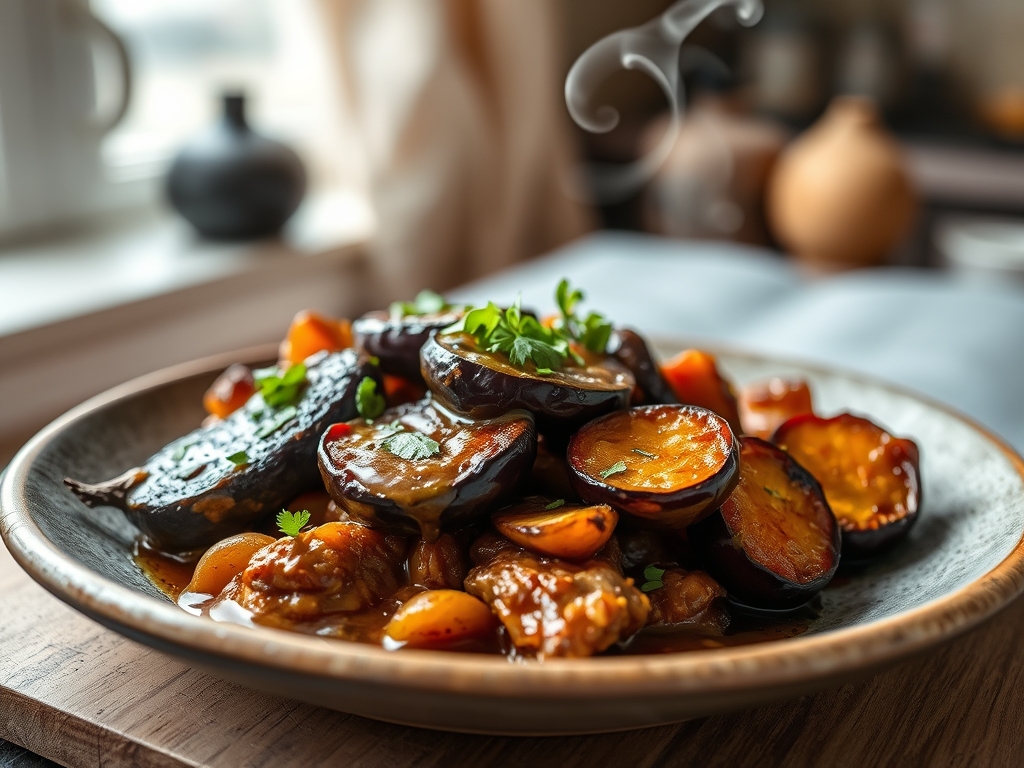
Close your eyes and imagine the scent of fat rendering in a heavy-bottomed skillet; it is a heavy, savory perfume that anchors the kitchen. When you introduce the sponge-like architecture of a globe eggplant to the robust, iron-rich profile of seared chuck, magic happens. These eggplant beef recipes are not just meals; they are lessons in structural integrity and flavor absorption.
The secret lies in the contrast between the velvet texture of the vegetable and the Maillard-charred exterior of the protein. Most people treat eggplant as a filler, but we are going to treat it as a vessel for umami. We are talking about deep, dark sauces that cling to every crevice and juices that infuse the flesh of the fruit until it practically melts on the tongue. It is time to elevate your weeknight rotation with six bold pairings that bridge the gap between rustic comfort and high-end culinary science.
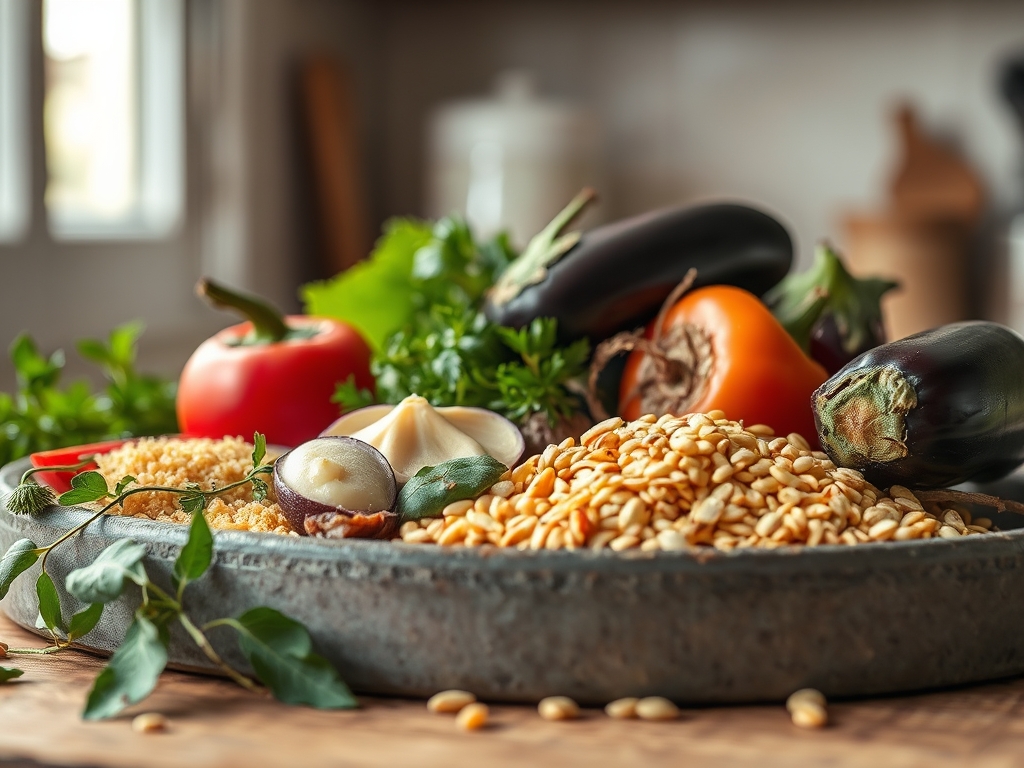
The Gathers:
Before we ignite the burners, your mise-en-place must be flawless. Organization is the antidote to a chaotic kitchen. Grab your digital scale and your sharpest chef knife; we are looking for precision here.
- The Protein: 1.5 lbs of Prime Top Sirloin or 80/20 Ground Chuck. The fat content is non-negotiable because eggplant requires lipids to achieve that buttery mouthfeel.
- The Produce: Two large Italian eggplants. Look for skin that is taut and glossy; dull skin indicates a bitter, overripe interior.
- The Aromatics: Six cloves of garlic (pulverized with a microplane), one thumb of ginger, and three scallions.
- The Liquid Gold: Low-sodium soy sauce, aged balsamic vinegar (for that piquant kick), and toasted sesame oil.
- The Thickener: Cornstarch or arrowroot powder to create a viscous glaze that coats the back of a spoon.
Smart Substitutions: If you are avoiding nightshades, zucchini offers a similar texture but lacks the same structural density. For a leaner profile, swap the beef for bison; it is incredibly high in iron but requires a shorter cook time to avoid becoming tough.
The Clock
Efficiency in the kitchen is all about the Chef's Flow. This is the art of overlapping tasks so that no heat is wasted.
- Prep Time: 20 minutes. This includes the "sweating" phase for the eggplant, where we draw out moisture using osmotic pressure.
- Cook Time: 25 minutes. High-heat searing takes roughly 8 minutes, followed by a 15-minute simmer to allow flavors to infuse.
- Total Time: 45 minutes.
The flow begins with the eggplant. Salt it first. While the salt works its magic, you can mince your aromatics and portion your beef. By the time your skillet is screaming hot, the eggplant is ready to be patted dry and seared.
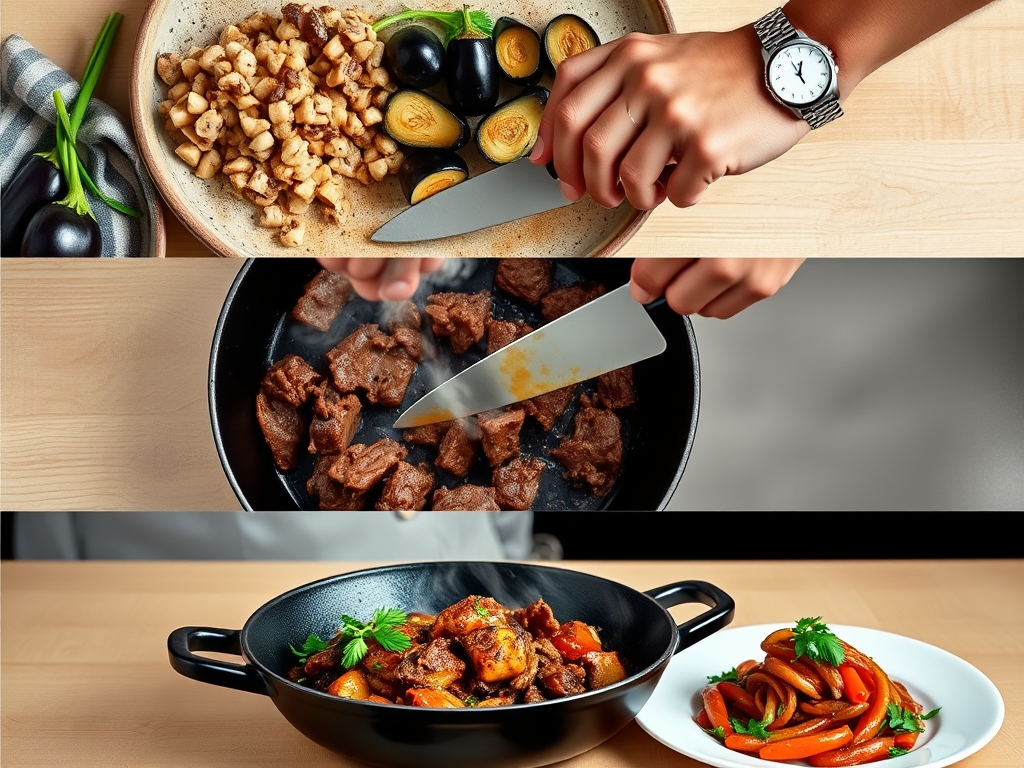
The Masterclass
1. The Osmotic Prep
Slice your eggplant into uniform cubes and toss them with kosher salt in a colander. Let them sit for 15 minutes. You will see beads of "sweat" forming on the surface.
Pro Tip: This process breaks down the cellular structure and prevents the vegetable from absorbing excessive oil. By removing excess water, you ensure the eggplant sears rather than steams.
2. The Hard Sear
Heat two tablespoons of neutral oil in your heavy-bottomed skillet until it reaches the smoke point. Add the beef in a single layer. Do not crowd the pan.
Pro Tip: This facilitates the Maillard reaction, a chemical reaction between amino acids and reducing sugars that creates that distinct "browned" flavor. Use tongs to flip only when a crust has formed.
3. Deglazing the Fond
Once the beef is browned, remove it and add the eggplant. As the eggplant softens, it will pick up the "fond" (the brown bits) from the bottom of the pan.
Pro Tip: If the pan looks dry, add a splash of beef stock. This is called deglazing, and it incorporates all those concentrated beef juices back into the vegetable.
4. Aerating the Aromatics
Push the eggplant to the perimeter and drop your garlic and ginger into the center. Stir rapidly for 30 seconds until fragrant.
Pro Tip: We add aromatics late to prevent enzymatic browning from turning into a bitter, burnt mess. High heat destroys the delicate compounds in garlic quickly.
5. Emulsifying the Sauce
Whisk your soy sauce, balsamic, and cornstarch together before pouring it over the mixture. Stir constantly as the liquid begins to bubble.
Pro Tip: The starch granules swell and trap liquid, creating a viscous emulsion. This ensures the sauce clings to the beef and eggplant rather than pooling at the bottom.
6. The Final Infusion
Return the beef to the pan and toss everything together for two minutes. Garnish with fresh herbs or sesame seeds.
Pro Tip: This stage allows for thermal carryover. Even after the heat is off, the internal temperature of the beef will rise slightly, reaching the perfect medium-rare or medium finish.
The Deep Dive
Macro Nutrition: One serving typically clocks in at 380 calories, with 28g of protein, 18g of healthy fats, and 12g of carbohydrates. Eggplant is a powerhouse of fiber and nasunin, an antioxidant found in the purple skin.
Dietary Swaps:
- Keto: Replace the cornstarch with a pinch of xanthan gum and swap the balsamic for apple cider vinegar.
- Vegan: Use "Impossible" crumbles or fermented tempeh in place of beef.
- Gluten-Free: Use tamari or coconut aminos instead of traditional soy sauce.
The Fix-It:
- Soggy Eggplant: You skipped the salting step. Fix it by finishing the dish under a high broiler for 2 minutes to crisp the edges.
- Tough Beef: You likely boiled the meat in its own juices. Next time, use a larger pan or cook in batches to maintain high surface tension.
- Too Salty: Add a squeeze of lime juice or a teaspoon of honey. Acid and sugar are the universal balancers for salt.
Meal Prep: To maintain "day-one" quality, store the sauce separately if possible. When reheating, use a splash of water and a covered skillet on medium heat. This creates steam that re-hydrates the eggplant fibers without making them mushy.
The Wrap-Up
Mastering eggplant beef recipes is a rite of passage for any home cook looking to balance luxury with nutrition. It is a dish that demands respect for technique but rewards you with a complex, savory profile that feels like a warm hug. Grab your bench scraper, clear your counters, and get to work. Your kitchen is about to smell like a five-star bistro.
The Kitchen Table
How do I stop eggplant from being bitter?
Salt your eggplant cubes for 15 to 20 minutes before cooking. This draws out the bitter alkaloids and excess moisture. Rinse and pat them bone-dry with a paper towel before they hit the hot oil for a perfect sear.
Which cut of beef is best for stir-frying?
Flank steak or top sirloin are the gold standards. They are lean enough to slice thinly but contain enough intramuscular fat to stay juicy. Always slice against the grain to break up tough muscle fibers for a tender bite.
Can I cook eggplant and beef in the same pan?
Yes, but timing is everything. Sear the beef first and remove it to prevent overcooking. Sauté the eggplant in the leftover beef fat to infuse it with flavor, then recombine them at the very end to glaze.
Why is my eggplant soaking up all the oil?
Eggplant acts like a sponge due to its air-filled cellular structure. Pre-salting collapses these cells so they cannot absorb as much fat. Using a non-stick or well-seasoned cast iron skillet also reduces the amount of oil needed.