
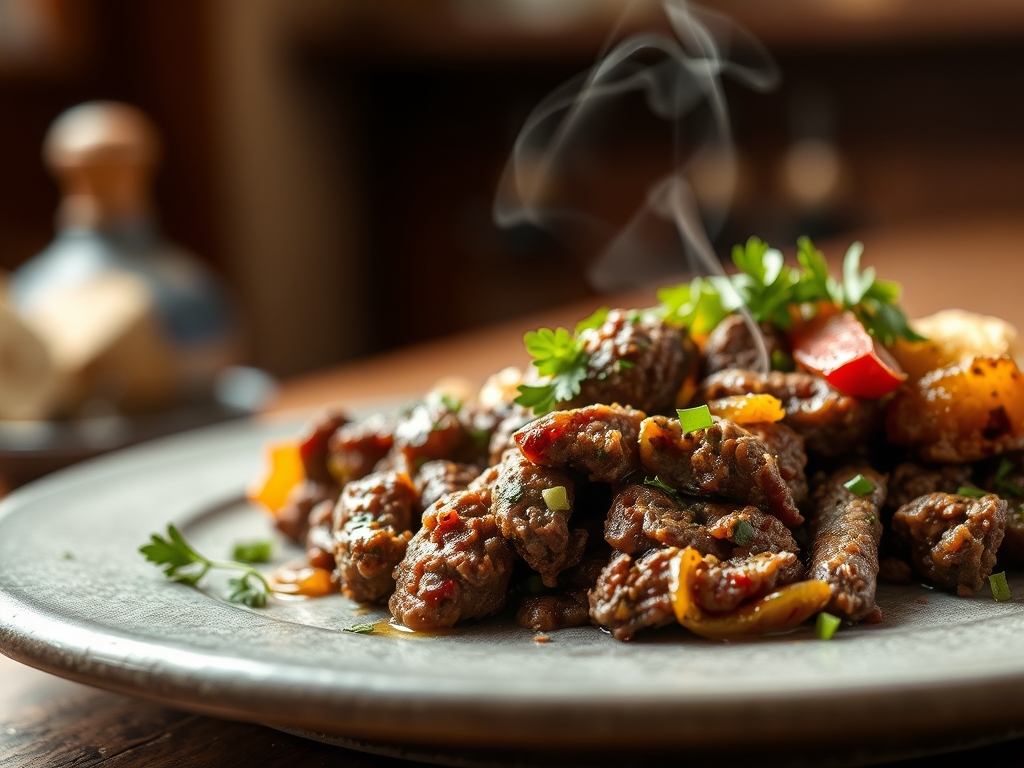
Imagine the sound of a heavy-bottomed cast iron skillet hitting a high-flame burner; that sharp, metallic ring is the opening bell for a culinary transformation. When you are mastering carnivore diet ground beef recipes, you are not just cooking dinner; you are conducting a masterclass in lipid chemistry and protein denaturation to fuel your body.
The scent of rendering tallow begins as a faint, nutty aroma before deepening into the rich, primal perfume of a perfect sear. We are moving far beyond the basic "browned meat in a pan" trope. We are talking about textures that snap, fats that emulsify into velvety sauces, and the kind of nutrient density that makes your cells sing. Whether you are a seasoned veteran of the "zero carb" life or a curious newcomer, these eight variations on ground beef will redefine your palate. We are going to use science to turn humble mince into a gourmet experience that respects your biology and delights your senses. Let us get those burners glowing.
The Gathers:
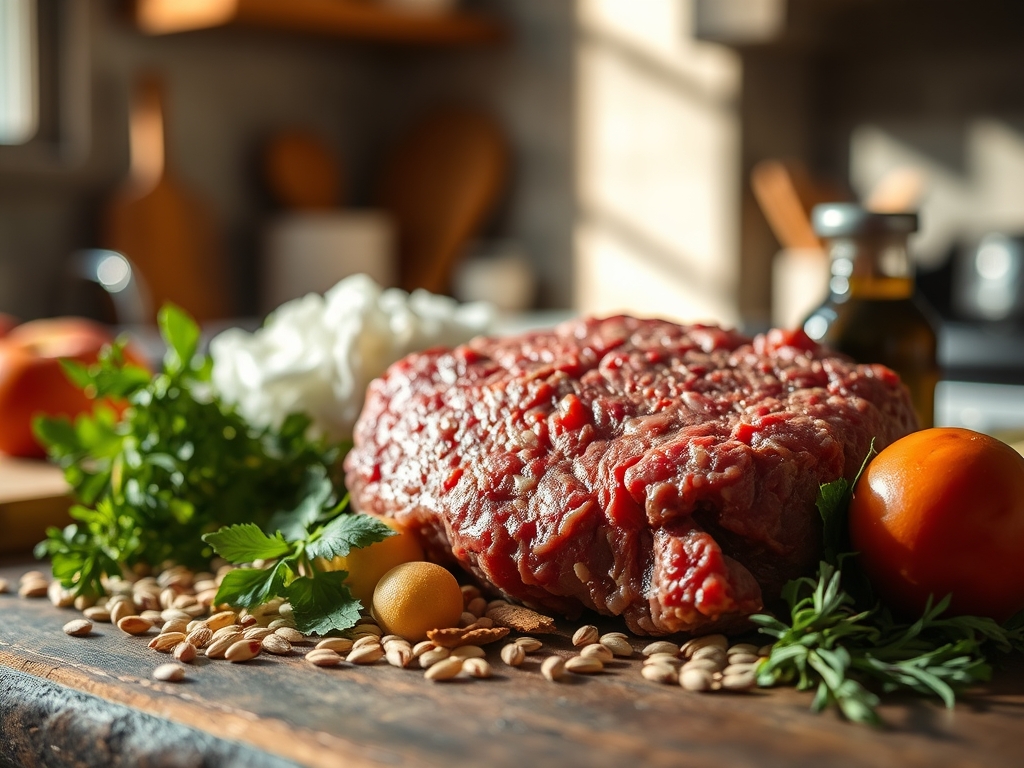
To execute these carnivore diet ground beef recipes with precision, your mise-en-place must be impeccable. Start with high-quality, 80/20 grass-fed ground beef. This ratio is non-negotiable because the 20 percent fat content provides the necessary lipids for a proper Maillard reaction without leaving the meat desiccated. You will also need supplemental fats: chilled unsalted butter, leaf lard, or tallow. These fats have different smoke points and molecular structures, which we will utilize to create varied mouthfeels.
Your "Smart Substitutions" list is brief but vital for the carnivore purist. If you find beef alone too monochromatic, incorporate ground heart or liver at a 10 percent ratio. This adds a metallic, piquant depth and a massive boost of Vitamin A and B12. For those who tolerate dairy, a hard, aged Parmigiano-Reggiano provides a crystalline texture and a hit of umami. For those who do not, use crushed pork rinds as a "breading" substitute to provide a structural crunch that mimics traditional gluten-based coatings.
The Clock: Timing Your Culinary Flow
Efficiency in the kitchen is about managing the "Chef's Flow." For these eight variations, your active prep time is remarkably low; roughly 10 minutes to portion and season. The cooking time ranges from a lightning-fast 6-minute sear for "Beef Crumbles" to a 20-minute slow render for "Carnivore Meatballs."
The secret to a professional flow is pre-heating. Your skillet should be radiating heat for at least five minutes before the meat touches the surface. This ensures that the moment the protein hits the metal, the moisture on the surface evaporates instantly. If your pan is cold, the meat will bleed its juices, and you will end up boiling your beef in its own liquid rather than searing it. This leads to a grey, rubbery texture that lacks the aromatic complexity of a high-heat char.
The Masterclass:
1. The Perfect Smash Patty
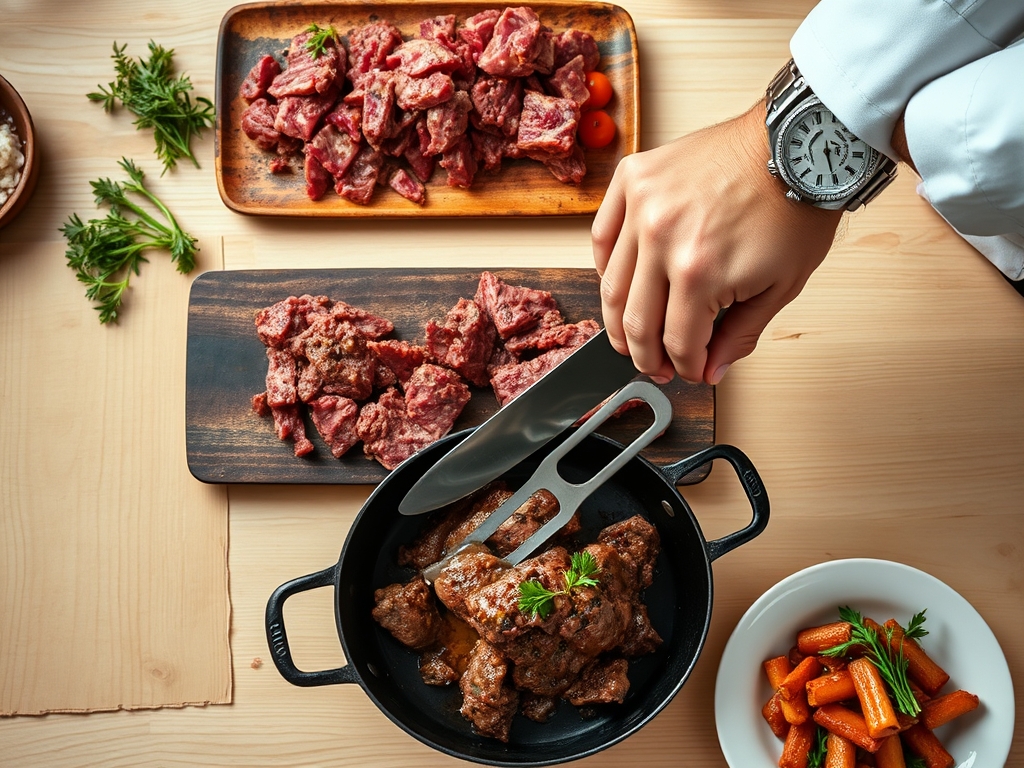
Using a heavy bench scraper or a dedicated meat press, flatten 4-ounce balls of beef onto a screaming hot surface. Do not move them for three minutes. This creates a continuous crust of caramelized proteins.
Pro Tip: This is the Maillard reaction in action. By maximizing surface area through smashing, you create more "browned" flavor compounds which are chemically distinct from the raw meat.
2. Butter-Poached Beef Crumbles
Brown your beef in a saucier, then finish by whisking in cold cubes of butter over low heat. This creates a viscous, glossy coating that clings to every morsel.
Pro Tip: Cold butter creates an emulsion. The milk solids and fats suspend in the small amount of beef juice, preventing the fat from feeling "greasy" on the tongue.
3. The Organ-Blend Power Bowl
Incorporate finely minced beef heart into your ground beef. Use tongs to toss the mixture constantly, ensuring even distribution of the denser organ meat.
Pro Tip: Organ meats contain different connective tissues. Constant movement prevents the lean heart tissue from seizing and becoming tough while the fattier beef renders.
4. Salt-Cured Beef Bark
Season your ground beef with coarse sea salt 40 minutes before cooking. Sear in small batches to avoid crowding the pan.
Pro Tip: This is osmosis. Salt draws moisture out, then the brine is reabsorbed, seasoning the meat deeply and breaking down tough proteins for a more tender bite.
5. Suet-Fried Beef Nuggets
Form small, dense discs of beef and fry them in rendered suet. The high smoke point of suet allows for a deep, golden exterior.
Pro Tip: Suet has a high concentration of saturated stearic acid. This results in a "cleaner" fry and a crispier texture than using polyunsaturated fats.
6. The Egg-Yolk Glaze
Cook your ground beef fully, then remove from heat and fold in three raw egg yolks. The residual heat will cook the yolks into a rich, custard-like sauce.
Pro Tip: This utilizes carryover cooking. The internal temperature of the meat is sufficient to pasteurize the yolks without curdling the proteins into "scrambled eggs."
7. Bone Marrow Infused Mince
Roast bone marrow and scrape the "butter of the gods" directly into your browning beef. Use a microplane to zest a small amount of frozen liver over the top for a nutrient punch.
Pro Tip: Marrow is almost 100 percent fat but contains collagen. This adds a "sticky" lip-smacking quality to the beef that improves the overall satiety.
8. The Crispy Ribeye Grind
If you have a meat grinder, grind ribeye trimmings with your chuck. Sear until the exterior is shattered-glass crispy while the interior remains juicy.
Pro Tip: The high intramuscular fat (marbling) in ribeye trimmings provides "internal basting," where the fat melts from the inside out during the cooking process.
The Deep Dive: Science and Strategy
From a macro perspective, carnivore diet ground beef recipes are a powerhouse. A standard 8-ounce serving provides roughly 44 grams of protein and 40 grams of fat, with zero carbohydrates. This triggers ketosis, where the body switches from glucose to ketone bodies for fuel.
For dietary swaps: Keto followers can add avocado or fermented pickles for acidity. Those seeking a "Vegan" alternative for guests should look toward tempeh, though the molecular structure will never replicate the animal-fat mouthfeel. If you are Gluten-Free, you are already safe; just ensure your salt source is pure.
The Fix-It: Common Pitfalls
- The Gray Meat Syndrome: Caused by overcrowding the pan. Fix: Cook in smaller batches to allow steam to escape.
- Grainy Texture: Caused by overworking the meat. Fix: Use a light touch when forming patties to keep the protein strands loose.
- Excessive Liquid: Usually from "supermarket" beef with added water. Fix: Drain the liquid halfway through, add fresh tallow, and resume searing.
For meal prep, reheating is a science. Avoid the microwave, which vibrates water molecules and "steams" the meat from within, making it rubbery. Instead, reheat in a skillet with a splash of bone broth. The broth will deglaze any leftover fats and re-moisturize the protein fibers.
The Wrap-Up:
Mastering carnivore diet ground beef recipes is about more than just sustenance; it is about reclaiming the art of the sear and the science of the render. By focusing on heat management and fat emulsification, you turn a budget-friendly staple into a luxury experience. You now have the tools, the tips, and the technical knowledge to make every meal a nutrient-dense masterpiece. Go forth and sear with confidence; your body and your taste buds will thank you.
The Kitchen Table:
How do I get a better crust on my ground beef?
Ensure the meat is dry before hitting the pan. Use a high-smoke-point fat like tallow and avoid moving the meat for at least three minutes. This allows the Maillard reaction to create a complex, flavorful brown crust.
Is 80/20 beef better than 90/10 for carnivore?
Yes. The 80/20 ratio provides the essential lipids required for hormone production and fat-soluble vitamin absorption. The extra fat also prevents the meat from becoming dry and granular during high-heat cooking.
Can I meal prep ground beef without it getting dry?
Reheat your beef in a skillet with a tablespoon of butter or bone broth. This replaces lost moisture and re-emulsifies the fats, ensuring the meat stays tender rather than becoming "rubbery" like it would in a microwave.
Why does my ground beef taste "metallic"?
This often happens if you use a reactive pan or if the beef is very high in iron (like grass-finished varieties). To balance this, ensure a heavy sear and consider adding a pinch of high-quality flake salt.