
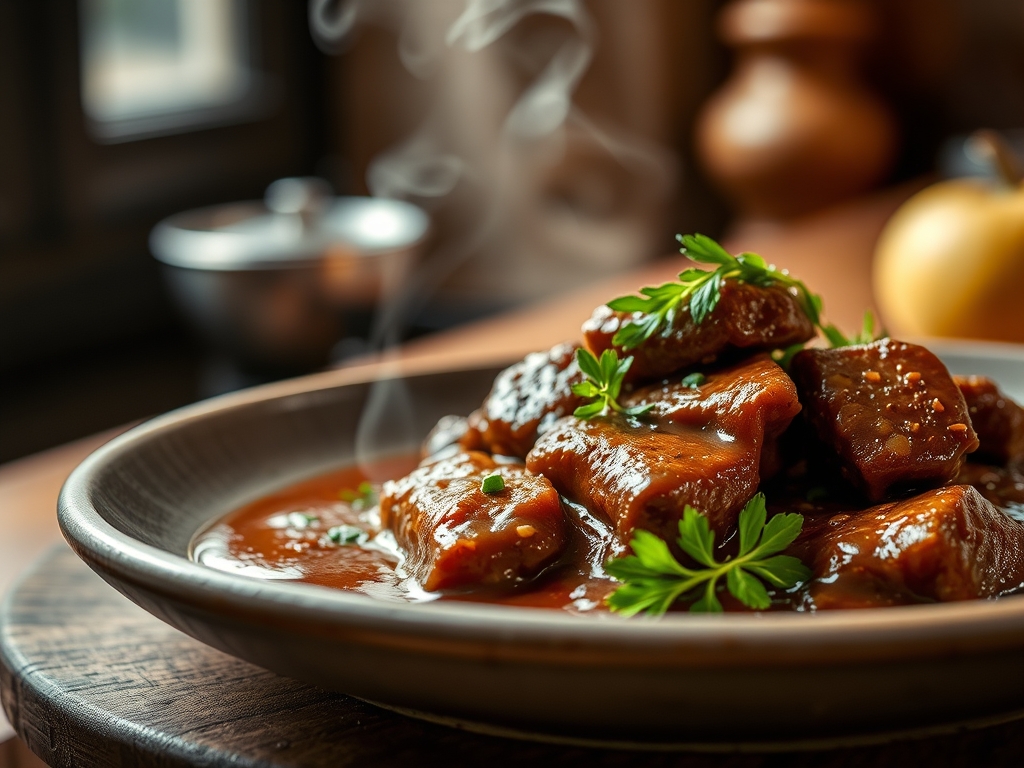
Imagine the scent of slow-simmered marrow and toasted flour wafting through your kitchen on a Sunday afternoon. That specific, deep aroma is the hallmark of the best gravy beef recipes; it is the olfactory equivalent of a warm hug from someone who knows exactly how you take your coffee. We are not just making a sauce here. We are orchestrating a chemical transformation that turns humble drippings into liquid gold.
A truly world-class gravy requires more than just a whisk and a prayer. It demands an understanding of how proteins break down and how starches swell to create that perfect, coat-the-back-of-the-spoon consistency. Whether you are pouring this over a medium-rare ribeye or a mountain of garlic mashed potatoes, the goal is a sauce that is glossy, intensely savory, and free of those dreaded floury lumps. We are going to dive deep into the mechanics of the Maillard reaction and the physics of emulsification to ensure your next roast is legendary. Grab your favorite apron and a heavy-bottomed skillet; we are about to turn you into a gravy savant.
The Gathers:
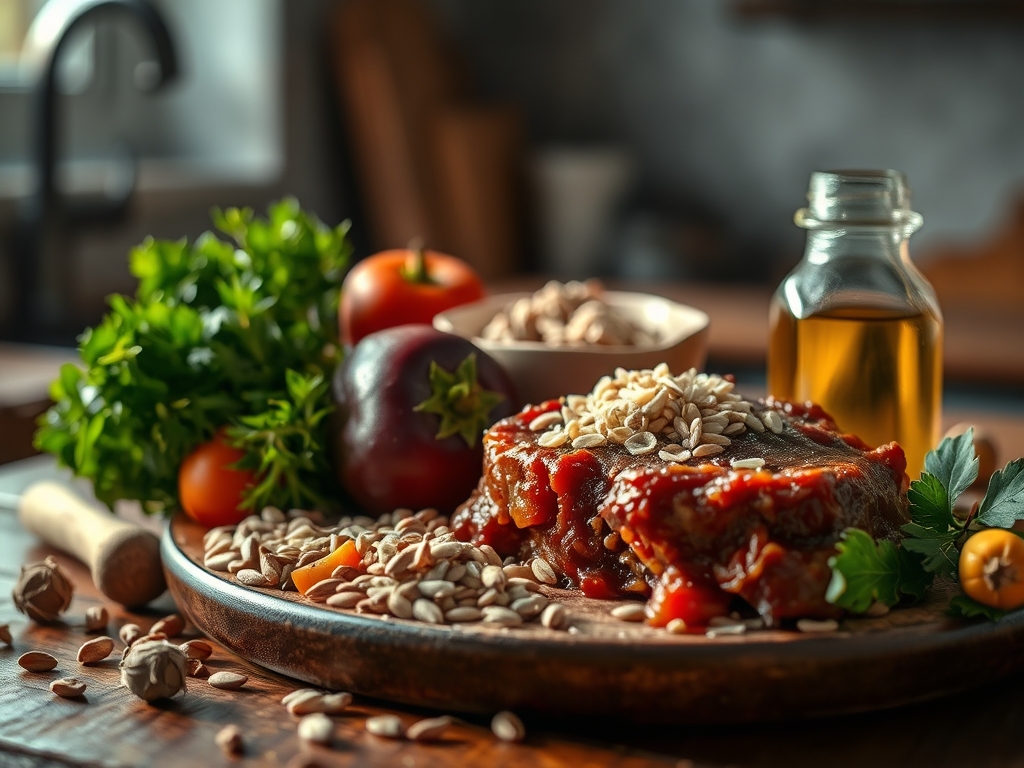
To achieve the best gravy beef recipes, your mise-en-place must be precise. Start with high-quality beef stock; ideally, one that is rich in gelatin to provide a natural, viscous mouthfeel. You will need unsalted butter and all-purpose flour for your roux, plus the "holy trinity" of aromatics: finely minced shallots, fresh thyme sprigs, and a bay leaf. For a hit of umami, keep a bottle of Worcestershire sauce or a splash of soy sauce nearby.
Smart Substitutions: If you are out of fresh shallots, a teaspoon of onion powder provides the necessary sulfurous backbone without the moisture. If your stock feels thin, a teaspoon of unflavored gelatin powder bloomed in cold water can mimic the body of a 48-hour bone broth. Use a digital scale to measure your flour and butter; a 1:1 ratio by weight is the golden rule for a stable emulsion.
The Clock
Preparation for a masterclass gravy takes approximately 10 minutes of active chopping and measuring, while the cook time spans about 20 minutes. This is what I call "Chef's Flow." You are not just standing there; you are monitoring the color of the roux and the rate of evaporation. The first 5 minutes are dedicated to rendering fats and softening aromatics. The middle 10 minutes involve the slow, rhythmic addition of liquid to allow starches to hydrate. The final 5 minutes are for the "finish," where you mount the sauce with cold butter for a professional sheen.
The Masterclass
1. The Fond Foundation
Start by using tongs to remove your roasted beef from the pan. Those brown bits stuck to the bottom are called fond. They are the concentrated result of the Maillard reaction. Place your roasting pan or a heavy-bottomed skillet over medium heat and add a splash of dry red wine or beef stock.
Pro Tip: This process is called deglazing. The alcohol or acidity in the liquid acts as a solvent, lifting the caramelized proteins and sugars off the pan and into your sauce, providing the foundational flavor for the best gravy beef recipes.
2. The Golden Roux
In a separate saucier, melt your butter until it stops foaming. Whisk in your flour. You are looking for a "blond" or "peanut butter" stage. Cook the mixture for at least three minutes to toast the raw starch molecules.
Pro Tip: Cooking the roux is essential to neutralize the amylase inhibitors in the flour. If you skip this, your gravy will taste like wet cardboard and have a grainy texture.
3. The Gradual Hydration
Slowly pour in your room-temperature stock, one ladle at a time. Use a balloon whisk to incorporate the liquid into the roux before adding more. This prevents the starch granules from clumping together in "dry pockets."
Pro Tip: This is the science of starch gelatinization. As the liquid heats, the starch granules swell and eventually burst, releasing amylose molecules that thicken the surrounding fluid into a cohesive network.
4. The Aromatic Infusion
Once all the liquid is added, toss in your thyme, bay leaf, and a crushed garlic clove. Lower the heat to a gentle simmer. You want to see small bubbles, not a rolling boil, which could break the emulsion and cause the fat to separate.
Pro Tip: Simmering allows for volatile compound extraction. The heat gently coaxes the essential oils out of the herbs and into the fat phase of your gravy, creating a multi-dimensional flavor profile.
5. The Umami Boost
Add your "secret" ingredients now. A teaspoon of Dijon mustard or a microplane-grated clove of garlic adds a piquant edge. Taste frequently. If the gravy feels flat, it likely needs more acid or salt to brighten the heavy fats.
Pro Tip: Salt does not just make things salty; it suppresses bitterness and enhances our perception of sweetness and savory notes. Use a fine-mesh strainer after this step to ensure a silk-smooth finish.
6. The Cold Butter Finish
Remove the gravy from the heat and whisk in two tablespoons of cold, cubed butter. This technique, known as monter au beurre, adds a final layer of richness and a glossy, mirror-like finish.
Pro Tip: The cold butter creates a temporary emulsion. By adding it at the end without further boiling, you keep the milk solids intact, which provides a creamy mouthfeel that warm butter cannot achieve.
The Deep Dive
Macro Nutrition: A standard 1/4 cup serving of beef gravy contains roughly 80-120 calories, depending on the fat content. It is primarily composed of fats and carbohydrates, with minimal protein. To lean it out, use a fat separator to remove excess grease from your pan drippings before starting.
Dietary Swaps: For a Keto-friendly version, swap the flour for a half-teaspoon of xanthan gum whisked into a little oil. For Gluten-Free needs, use a high-quality 1:1 GF flour blend or cornstarch slurry (though cornstarch yields a more translucent, "Chinese takeout" style finish). Vegan options require mushroom stock and a vegan butter substitute; the mushrooms provide the necessary glutamate for that beefy punch.
The Fix-It:
- Lumpy Gravy: Do not panic. Pour the whole mess into a high-speed blender or use an immersion blender to shear the lumps into submission.
- Too Salty: Add a splash of heavy cream or a pinch of sugar. Contrary to myth, adding a potato does not actually "suck out" the salt.
- Too Thin: Create a "beurre manie" (equal parts soft butter and flour kneaded together) and whisk small knobs into the boiling gravy until thickened.
Meal Prep: Gravy actually tastes better the next day as the flavors continue to infuse. To reheat, do not use the microwave; it can cause the fat to separate. Instead, use a small saucepan over low heat and add a tablespoon of water or stock to loosen the proteins back into a liquid state.
The Wrap-Up
Mastering the best gravy beef recipes is a rite of passage for any serious home cook. It is the bridge between a simple meal and a culinary event. By understanding the relationship between heat, starch, and fat, you have moved beyond following a recipe and into the realm of true kitchen intuition. Now, go forth and deglaze with confidence. Your Sunday roast is waiting for its crowning glory.
The Kitchen Table
How do I fix gravy that is too thin?
Whisk together equal parts softened butter and flour to create a beurre manie. Drop small pieces into your simmering gravy and whisk constantly until the desired thickness is achieved through rapid starch gelatinization.
Can I make gravy without pan drippings?
Yes, use a high-quality beef base or "better than bouillon" dissolved in water. Sauté finely minced mushrooms in butter first to replicate the deep, savory umami flavors usually provided by roasted meat drippings.
Why is my gravy lumpy?
Lumps occur when liquid is added too quickly to the roux, causing the outer starch to hydrate and trap dry flour inside. Always add liquid gradually and use a balloon whisk to ensure a smooth emulsion.
How long does homemade gravy last in the fridge?
Homemade beef gravy will stay fresh for three to four days when stored in an airtight container. For longer storage, freeze it in silicone molds for up to three months; reheat slowly to maintain the emulsion.
What is the best way to add color to pale gravy?
If your roux is too light, add a teaspoon of instant coffee granules or a few drops of Kitchen Bouquet. These provide a deep, mahogany hue without significantly altering the primary flavor profile of the beef.