
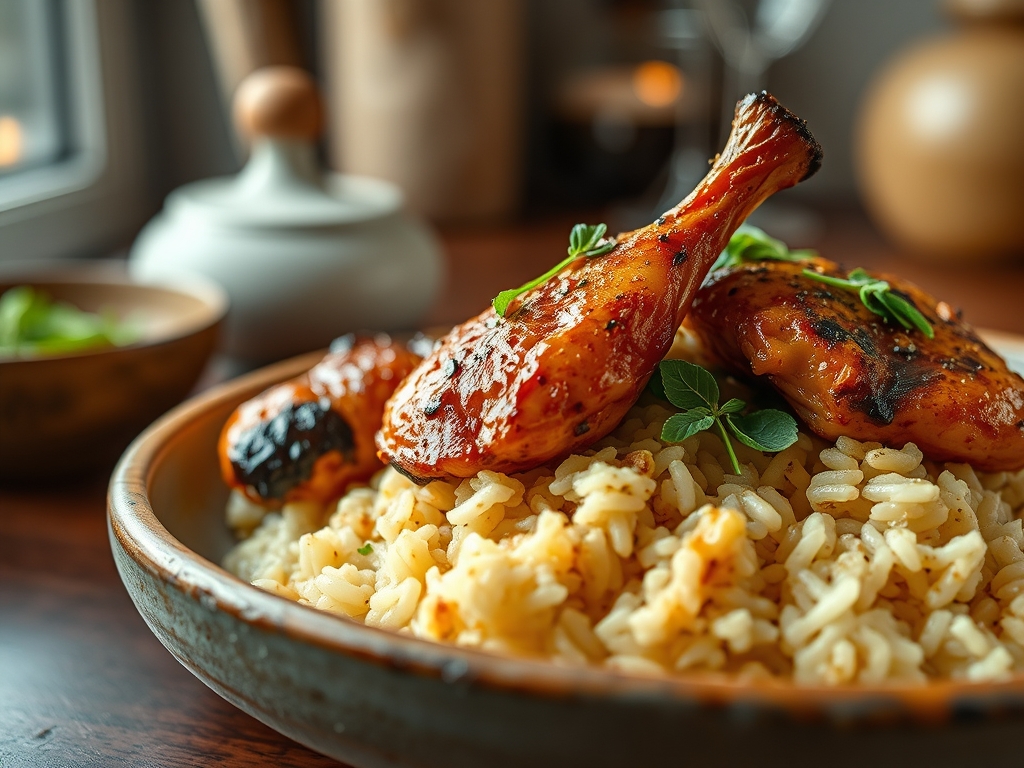
Picture a heavy-bottomed skillet resting on your range; the scent of searing poultry fat begins to fill the air as the skin transforms into a golden, glass-like crust. There is something fundamentally comforting about the marriage of protein and grain. When you master chicken recipes over rice, you are not just making dinner; you are balancing moisture, starch, and salt in a way that feels like a warm hug for your nervous system. It is the ultimate blank canvas for global flavors, ranging from the piquant kick of a Thai curry to the savory depth of a French fricassee. We are going to elevate this humble duo from a Tuesday night afterthought into a culinary masterpiece by focusing on the molecular interactions that make simple ingredients sing.
The Gathers:
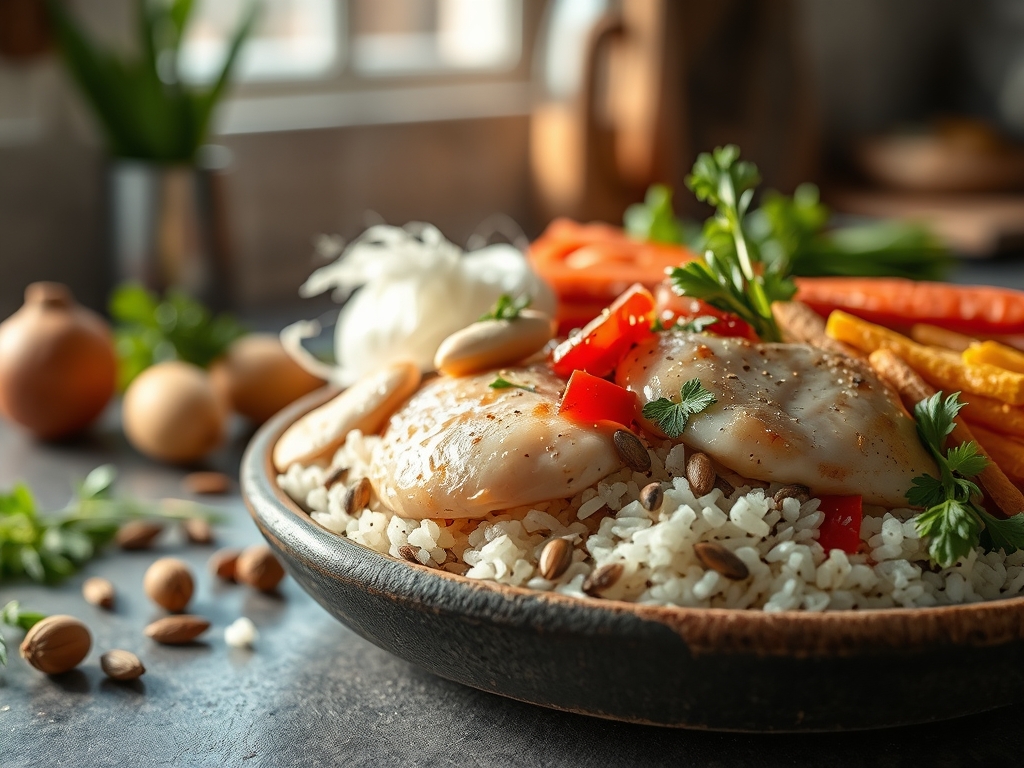
To achieve a restaurant-quality result, your mise-en-place must be precise. Start with high-quality chicken thighs; they contain more connective tissue than breasts, which breaks down into gelatin to create a viscous sauce. For the rice, choose a long-grain variety like Basmati for its high amylose content, ensuring each grain remains distinct rather than clumping into a starchy mass. You will need a microplane for zesting aromatics, a digital scale for precise liquid-to-grain ratios, and a saucier to whisk together your finishing glazes.
Smart Substitutions:
If you are out of traditional jasmine rice, try pearled farro for a nutty, chewy texture that holds up beautifully under heavy sauces. For the chicken, if you prefer a leaner profile, use breast meat but utilize a velveting technique (a brief soak in cornstarch and egg white) to prevent the fibers from toughening during high-heat searing. Replace heavy cream with full-fat coconut milk to add a tropical undertone while maintaining that essential mouthfeel.
The Clock:
The "Chef's Flow" is all about overlapping tasks to maximize efficiency. Total active prep time should clock in at 15 minutes, with a total cook time of 25 to 30 minutes depending on your chosen grain.
0-5 Minutes: Execute all knife work. Use a sharp chef's knife to dice aromatics and a bench scraper to transfer them to your prep bowls.
5-15 Minutes: Sear the protein and begin the rice absorption process simultaneously.
15-25 Minutes: Allow the chicken to finish cooking in the sauce while the rice undergoes its final steam.
25-30 Minutes: The "Resting Phase." This is non-negotiable. Allowing the meat to rest ensures the juices redistribute through the muscle fibers.
The Masterclass:
1. The Maillard Sear
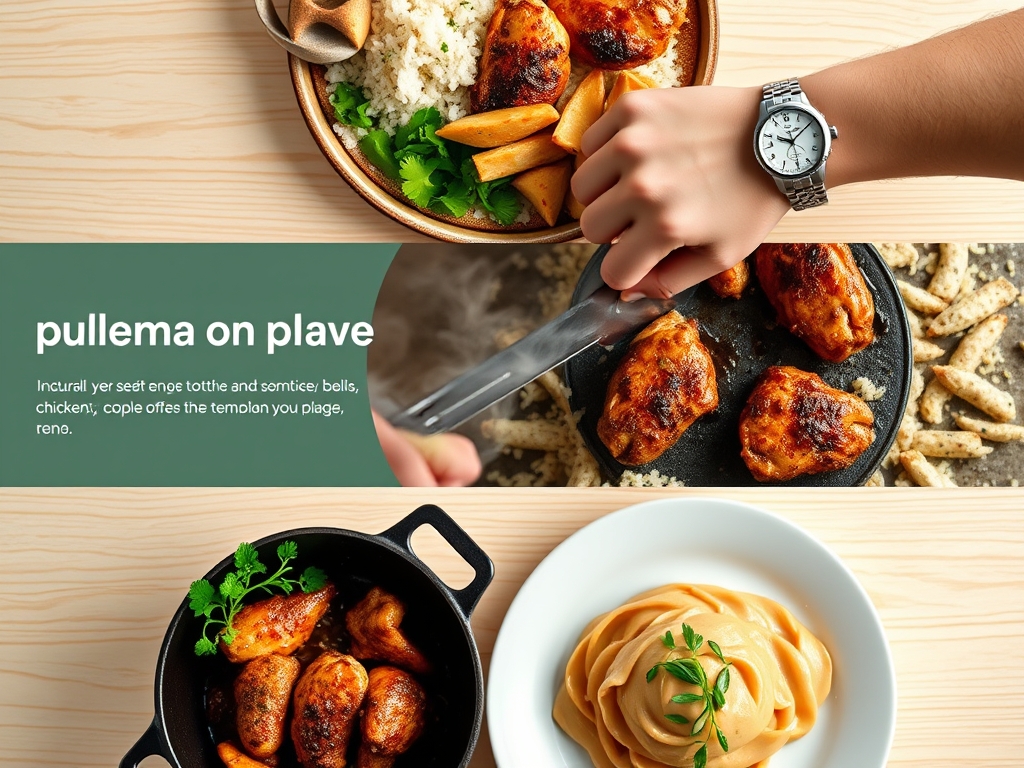
Place your chicken skin-side down in a preheated heavy-bottomed skillet. Do not crowd the pan; overcrowding drops the surface temperature and causes the meat to steam in its own juices rather than sear. Use tongs to press the meat firmly against the metal to ensure even contact.
Pro Tip: This stage relies on the Maillard Reaction, a chemical reaction between amino acids and reducing sugars that creates hundreds of different flavor compounds. If the meat sticks, it is not ready to flip. The proteins will naturally release from the pan once the crust has fully formed.
2. Deglazing the Fond
Once the chicken is browned and removed, you will see brown bits stuck to the pan. This is called the fond. Pour in a splash of dry white wine or chicken stock and use a wooden spoon to scrape those bits into the liquid.
Pro Tip: This process is called deglazing. The acidity in the wine helps dissolve the caramelized proteins, incorporating that concentrated flavor back into your sauce. This creates a complex, savory base that water alone cannot replicate.
3. Aromatics and Infusion
Add your minced garlic, ginger, or shallots to the pan. Use your microplane to grate fresh turmeric or zest directly over the heat. Sauté only until fragrant, which usually takes about 60 seconds.
Pro Tip: Many flavor compounds in aromatics are fat-soluble. By toasting them in the rendered chicken fat before adding liquid, you infuse the oil with flavor, which then coats every grain of rice later in the process.
4. The Rice Absorption
Add your rinsed rice to the skillet, stirring to coat every grain in the flavored oil. Add your measured liquid and bring to a simmer. Return the chicken to the pan, nestling it into the rice.
Pro Tip: Rinsing the rice removes excess surface starch. This prevents the grains from becoming gummy. Coating the rice in fat before adding water (a technique called pilafing) creates a protective barrier that ensures a fluffy, individual grain texture.
5. The Steam and Rest
Cover the pan with a tight-fitting lid and reduce the heat to the lowest setting. After the liquid is absorbed, turn off the heat but do not open the lid for at least 10 minutes.
Pro Tip: This final stage utilizes thermal carryover. The residual heat continues to cook the center of the chicken gently, preventing the exterior from overcooking. It also allows the starch granules in the rice to firm up, preventing a mushy consistency.
The Deep Dive:
Macro Nutrition
A standard serving of chicken over rice provides a balanced profile of macronutrients. You are looking at approximately 35 grams of protein, 45 grams of complex carbohydrates, and 12 grams of fat. To increase the fiber content, simply swap white rice for brown or add a cup of riced cauliflower to the mix.
Dietary Swaps
- Vegan: Swap chicken for extra-firm tofu pressed with a heavy-bottomed skillet to remove moisture, then sear until crispy. Use vegetable bouillon for the rice.
- Keto: Replace the rice with sautéed cabbage shreds or cauliflower rice. Focus on a high-fat sauce like a lemon-butter emulsion.
- Gluten-Free: Use tamari instead of soy sauce and ensure your chicken stock is certified gluten-free.
The Fix-It
- Problem: Mushy Rice. Fix: Spread the rice on a baking sheet and place it in a low oven for 5 minutes to evaporate excess moisture.
- Problem: Dry Chicken. Fix: Slice the chicken thin and toss it in a quick emulsion of olive oil and lemon juice to add topical moisture.
- Problem: Bland Flavor. Fix: Add a "finishing acid." A squeeze of lime or a dash of rice vinegar can brighten the entire dish by balancing the heavy fats.
Meal Prep: The Science of Reheating
When reheating chicken recipes over rice, the rice often becomes hard due to starch retrogradation. To fix this, add a teaspoon of water per cup of rice and cover tightly before microwaving. The water turns to steam, re-hydrating the starch molecules and restoring the soft texture.
The Wrap-Up:
You now have the technical blueprint to turn basic ingredients into a culinary event. By understanding the science of the sear and the importance of the rest, your chicken recipes over rice will consistently outperform any takeout option. Grab your saucier, find your favorite spices, and start experimenting with the textures and aromas that make this dish a global icon. Cooking is a science, but eating is an art; go create something delicious!
The Kitchen Table:
How do I prevent my chicken from sticking to the pan?
Ensure your pan is fully preheated before adding oil. Once the oil shimmers, add the chicken and do not move it. The meat will naturally release once the Maillard Reaction has created a structural crust on the surface.
What is the best water-to-rice ratio for fluffy results?
For most long-grain white rice, use a 1:1.5 ratio (one cup rice to one and a half cups liquid). Using a digital scale for weight rather than volume will provide the most consistent, professional results every time.
Can I cook frozen chicken over rice?
It is not recommended. Frozen chicken releases excess moisture, which steams the meat instead of searing it. This leads to a rubbery texture and prevents the development of the flavorful fond needed for a gourmet sauce.
Why does my rice always turn out gummy?
Gummy rice is usually caused by excess surface starch or over-stirring. Always rinse your rice in a fine-mesh strainer until the water runs clear, and avoid stirring the rice once the simmering process has begun.