
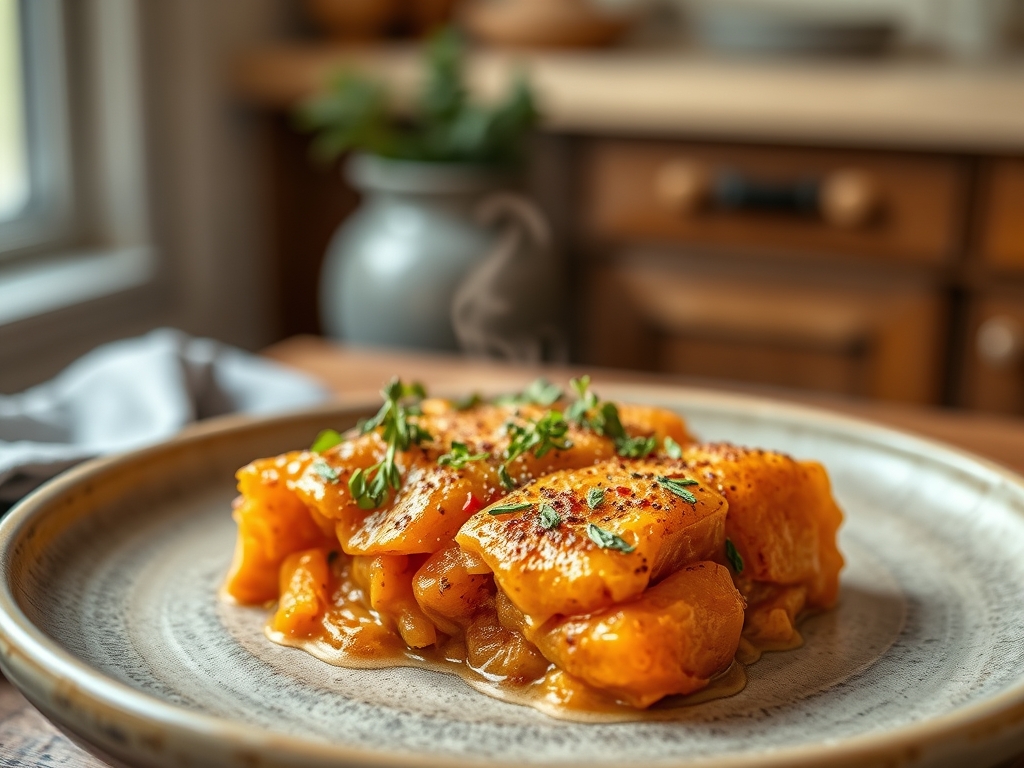
Picture the scent of caramelized sugars and toasted pecans wafting through your kitchen on a crisp afternoon. We all love the classic holiday side, but the traditional version is often a sugar bomb disguised as a vegetable. By mastering a few culinary secrets, you can transform healthy sweet potato recipes casserole into a vibrant, nutrient-dense masterpiece that rivals any gourmet bistro offering. This is not about deprivation; it is about flavor optimization. We are going to harness the natural chemistry of the tuber to create a silky, decadent texture without the heavy cream or refined syrups. By focusing on the Maillard reaction and strategic emulsification, we can elevate the humble sweet potato to its highest potential. Whether you are hosting a festive dinner or simply meal prepping for a high-performance week, this approach ensures every bite is packed with complex carbohydrates and antioxidants. Grab your favorite apron and your digital scale; we are about to dive into the molecular magic that makes a casserole truly unforgettable.
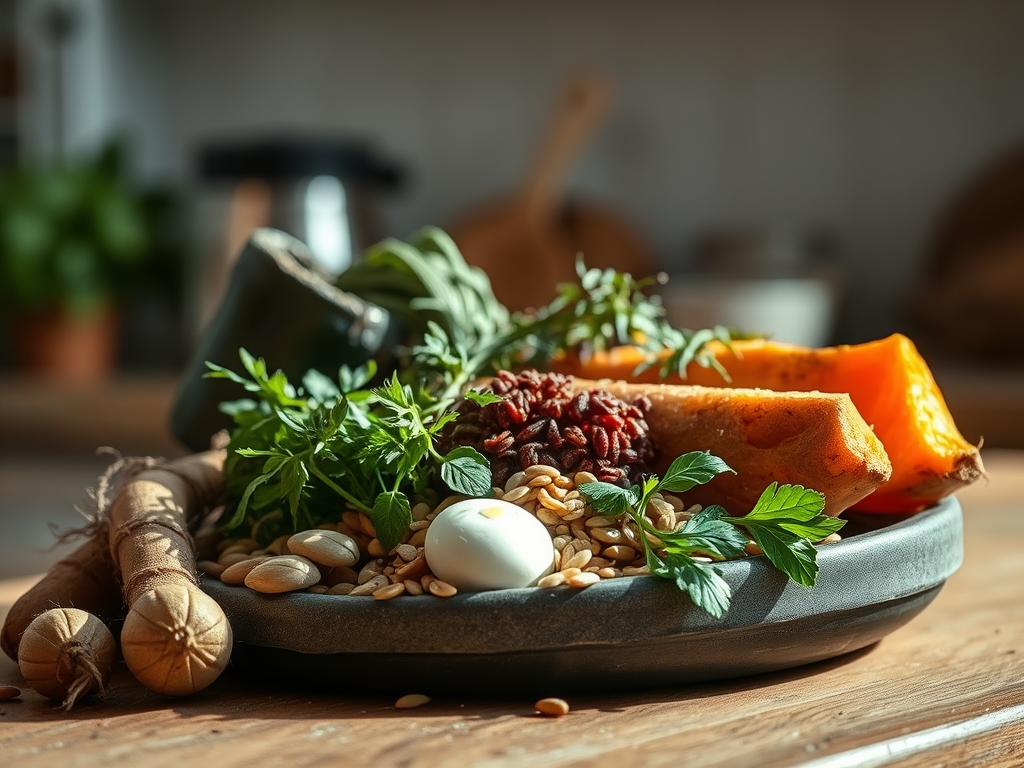
The Gathers:
To achieve the perfect balance of flavor and nutrition, your mise-en-place must be precise. We start with the star of the show: jewel or garnet sweet potatoes. These varieties possess a high moisture content and a viscous texture when roasted, which is essential for a creamy base. Use a digital scale to ensure you have exactly three pounds of tubers. For our "Smart Substitutions," we swap out heavy cream for full-fat coconut milk or unsweetened cashew cream to provide a rich mouthfeel via healthy fats.
Instead of brown sugar, we utilize Grade A maple syrup or date paste to infuse the dish with deep, earthy sweetness. You will also need high-quality sea salt, pure vanilla bean paste, and a hint of freshly grated nutmeg. For the topping, gather raw pecans, almond flour, and grass-fed ghee or coconut oil. Using a microplane to zest a bit of orange peel into the mix will provide a piquant counterpoint to the richness. Ensure your spices are fresh; ground cinnamon loses its aromatic potency after six months, so check those expiration dates before you begin.
The Clock: Timing and Chef's Flow
Efficiency in the kitchen is all about the "Chef's Flow." This recipe requires approximately 20 minutes of active prep time and 60 minutes of total cook time. Start by preheating your oven to 400 degrees Fahrenheit. The initial roasting of the potatoes takes about 45 minutes; this is your "down time" where you can prepare the topping and clean your station with a bench scraper. Once the potatoes are soft, the assembly takes a mere 10 minutes. A final 15 to 20 minute bake at a lower temperature of 350 degrees ensures the topping is golden and the flavors are fully married. By staggering your tasks, you avoid the frantic "holiday kitchen" syndrome and maintain a clean, organized workspace.
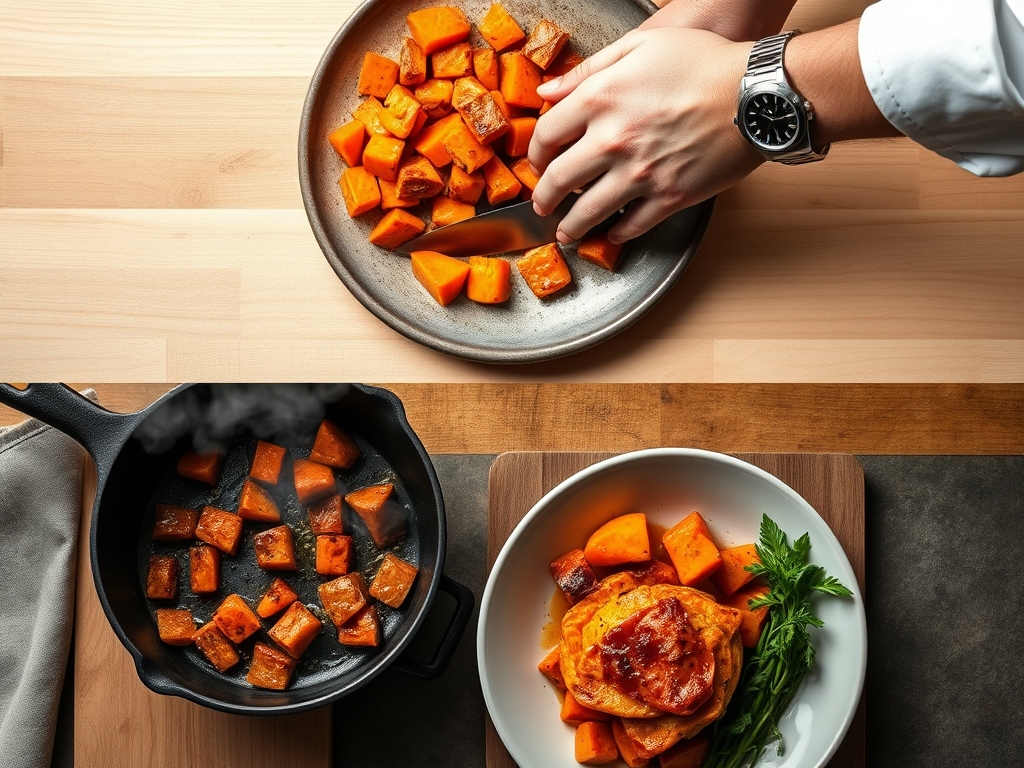
The Masterclass:
1. The Superior Roast
Scrub your potatoes and pierce them several times with a fork. Place them directly on the oven rack with a foil-lined sheet pan underneath to catch any escaping sugars. Roast until they are completely tender to the touch.
Pro Tip: Roasting the potatoes in their skins triggers enzymatic browning and concentrates the natural sugars through evaporation. This creates a much deeper flavor profile than boiling, which leaches nutrients and waterlogs the starch cells.
2. The Clean Peel and Mash
Once the potatoes are cool enough to handle, the skins should slip right off. Transfer the flesh to a large bowl or a saucier. Use a potato masher or a ricer for an ultra-smooth consistency.
Pro Tip: Avoid using a high-speed blender for this step. Over-processing the potatoes can rupture the starch granules, releasing too much amylose and resulting in a gluey, unappealing texture. A manual mash keeps the cells intact for a fluffy finish.
3. Emulsifying the Base
Add your maple syrup, vanilla, salt, and chosen fat (ghee or coconut oil) to the warm potatoes. Whisk vigorously to aerate the mixture and create a stable emulsion.
Pro Tip: Adding the fat while the potatoes are still warm (around 140 degrees Fahrenheit) allows the lipids to coat the starch molecules effectively. This prevents the mixture from weeping or separating during the final bake.
4. The Aromatic Infusion
Fold in your nutmeg, cinnamon, and orange zest. Use a silicone spatula to ensure the spices are evenly distributed throughout the puree.
Pro Tip: Spices are fat-soluble. By mixing them into the warm, fatty potato base, you infuse the entire dish with flavor rather than just having "hot spots" of spice. This is known as "blooming" the aromatics.
5. Crafting the Nutrient-Dense Topping
In a separate bowl, combine chopped pecans, almond flour, and a touch of melted ghee. The mixture should resemble wet sand. Spread this evenly over the potato base in a ceramic baking dish.
Pro Tip: Almond flour provides a boost of protein and healthy fats compared to traditional flour. The high oil content in the nuts helps the topping render and crisp up without the need for excessive amounts of butter.
6. The Final Bake and Rest
Slide the casserole into the oven at 350 degrees. Bake until the topping is fragrant and browned. Remove from the oven and let it sit for at least 10 minutes before serving.
Pro Tip: This resting period allows for thermal carryover, where the internal temperature continues to rise slightly. It also gives the pectin in the potatoes time to "set," ensuring the casserole holds its shape when scooped.
The Deep Dive:
Macro Nutrition
A standard serving of this healthy sweet potato recipes casserole provides roughly 220 calories, 4 grams of fiber, and 3 grams of protein. It is exceptionally high in Vitamin A (beta-carotene) and Vitamin C. Because we use unrefined fats and sugars, the glycemic load is significantly lower than traditional recipes, providing sustained energy without the insulin spike.
Dietary Swaps
This recipe is naturally gluten-free. To make it strictly Vegan, ensure you use coconut oil or a high-quality vegan butter substitute and maple syrup. For those following a Keto lifestyle, swap the sweet potatoes for roasted cauliflower puree and use a monk fruit sweetener; while the flavor profile shifts, the technique remains identical.
The Fix-It: Common Pitfalls
If your casserole is too viscous or runny, stir in a tablespoon of coconut flour; it acts as a powerful desiccant and thickener. If the topping is browning too quickly, tent the dish with foil to reflect radiant heat while the center finishes cooking. If the flavor feels flat, add a tiny splash of apple cider vinegar; the acidity brightens the sugars and balances the fat.
Meal Prep and Reheating
To maintain "day-one" quality, store leftovers in an airtight glass container. Reheat in a 300-degree oven rather than a microwave. The oven's dry heat will re-crisp the nut topping, whereas a microwave will trap steam and turn the topping soggy.
The Wrap-Up:
Mastering healthy sweet potato recipes casserole is a game-changer for your culinary repertoire. By understanding the science of starch and the importance of aromatic infusion, you have moved beyond a simple recipe into the realm of technical excellence. This dish proves that "healthy" can be synonymous with "indulgent" when you respect the ingredients and the process. Now, go forth and wow your guests with a side dish that is as smart as it is delicious!
The Kitchen Table:
Can I make this casserole ahead of time?
Yes. You can assemble the potato base up to two days in advance. Store it in the refrigerator and add the fresh nut topping just before you are ready to bake to ensure maximum crispness and flavor.
Why is my sweet potato casserole watery?
This usually happens if you boil the potatoes. Boiling introduces excess moisture into the starch. To fix this, roast your potatoes instead, or sauté the puree in a heavy-bottomed skillet to evaporate the extra liquid before baking.
What is the best way to chop pecans for the topping?
Use a sharp chef's knife or a food processor on the pulse setting. You want a variety of sizes; smaller bits create a cohesive crust, while larger chunks provide a satisfying, crunchy texture in every bite.
Can I use canned sweet potatoes for this recipe?
While fresh is superior, you can use canned potatoes in a pinch. Ensure they are packed in water, not syrup. Drain them thoroughly and pat dry with paper towels to remove excess moisture before mashing and seasoning.