
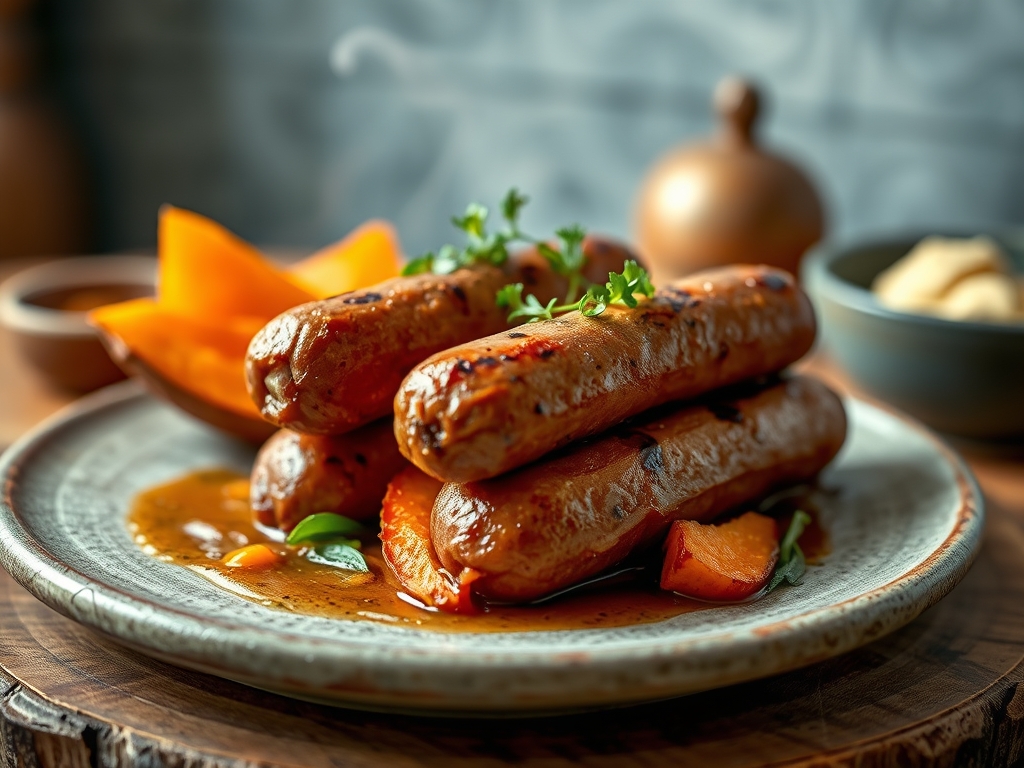
Picture this: the kitchen is humming with the sound of a heavy-bottomed skillet meeting a high-flame burner. The air thickens with the scent of rendering pork fat and the earthy, caramelizing sugars of a garnet yam. When you master sausages and sweet potato recipes, you are not just making dinner; you are orchestrating a perfect balance of savory lipids and complex carbohydrates.
The magic happens when the salt from the protein meets the natural glucose of the tuber. It is a sensory explosion that feels like a warm hug but tastes like a five-star bistro. We are moving beyond the basic hash. We are talking about deep, mahogany browning and textures that snap, crunch, and melt in a single bite. Whether you are leaning into a piquant chorizo or a mild apple chicken sausage, the sweet potato provides the perfect structural canvas.
This isn't just about throwing things in a pan. It is about the science of the sear. We are going to explore eight distinct variations of this power couple, ensuring every forkful is a masterpiece of culinary physics. Grab your favorite apron and let's get into the technical beauty of the humble skillet.
The Gathers:
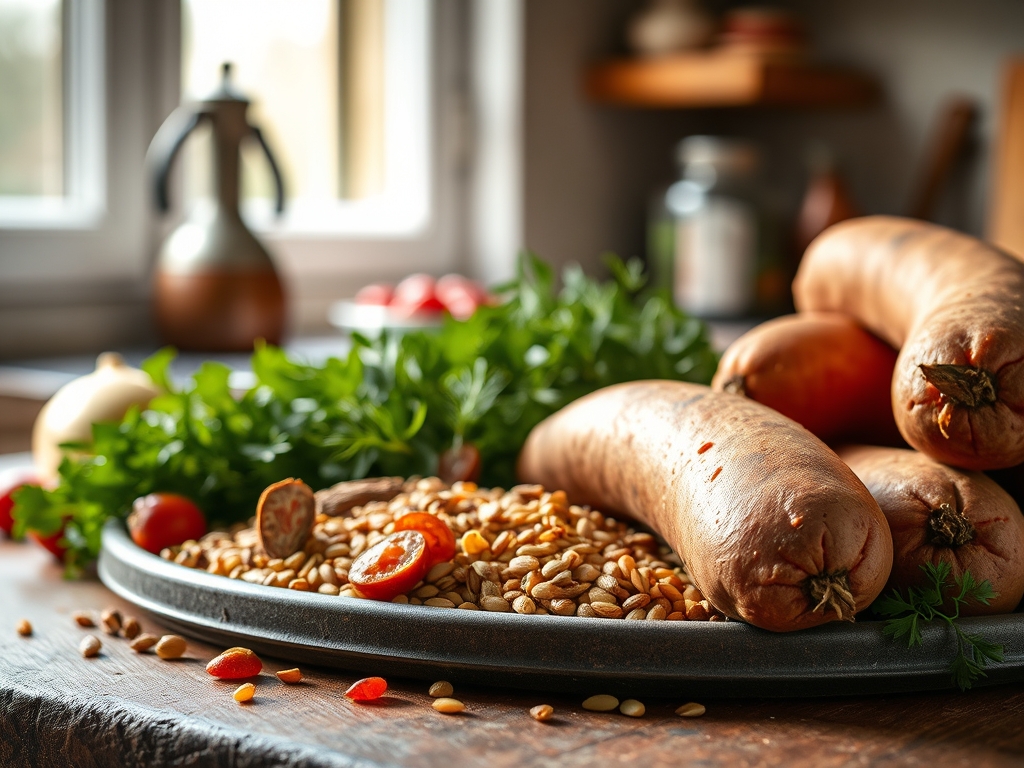
To achieve professional results, your mise-en-place must be precise. Start with your protein. For these sausages and sweet potato recipes, look for high-quality links with a natural casing. The casing is essential for that audible "snap" caused by the internal pressure of expanding juices during the cooking process. You will need roughly one pound of sausage; think spicy Italian, bratwurst, or even a smoked andouille for a deeper flavor profile.
Next, the star of the vegetable kingdom: the sweet potato. You want firm, unblemished tubers. Use a sharp chef's knife or a mandoline to ensure uniform cubes. Uniformity is not just for aesthetics; it ensures a consistent rate of heat penetration. You will also need a high-smoke-point fat like avocado oil or clarified butter (ghee). Do not use extra virgin olive oil for the initial sear, as its low smoke point will result in acrid, bitter flavors when exposed to the high heat required for the Maillard reaction.
Smart Substitutions:
If you are looking to pivot, consider these swaps. Instead of sweet potatoes, use butternut squash for a lower glycemic index and a more viscous mouthfeel. If you are avoiding pork, a high-protein turkey sausage works beautifully, though you may need to add a teaspoon of neutral oil to compensate for the lower fat content. For a plant-based twist, use a pea-protein sausage and toss the potatoes in a bit of smoked paprika to mimic that traditional cured flavor. Always have a microplane ready for a final dusting of hard cheese or fresh zest to brighten the heavy fats.
The Clock:
Efficiency in the kitchen is about "Chef's Flow." This isn't just a list of times; it is a sequence of events. Expect a total time of 30 to 35 minutes. Prep takes exactly 12 minutes if you use a bench scraper to clear your board as you go. The cooking process is divided into two phases: the protein render (8 minutes) and the potato softening (15 minutes).
By the time your sausage is resting and releasing its juices, your potatoes should be hitting that sweet spot of crispy exterior and fluffy interior. This overlap is crucial. If you prep as you cook, you lose control over the temperature of the pan. Mise-en-place is your best friend here.
The Masterclass:
1. The Initial Sear and Render
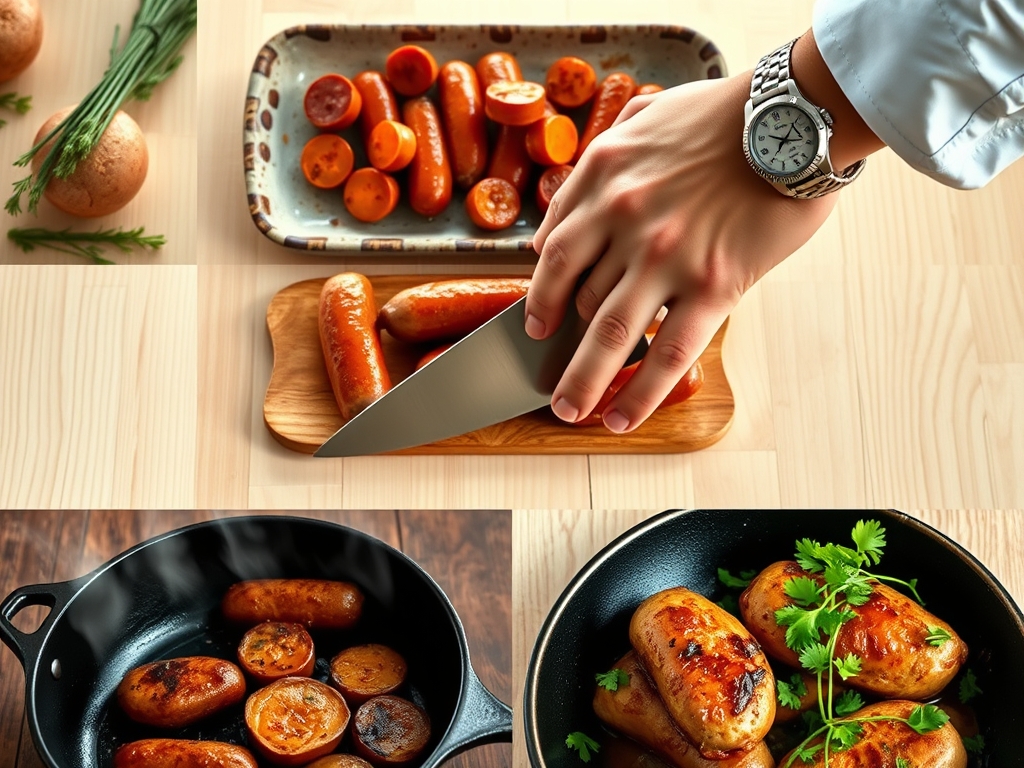
Place your sausages in a cold, heavy-bottomed skillet and then turn the heat to medium-high. This allows the fat to render slowly as the pan heats up, preventing the casing from bursting. Use tongs to rotate the links every two minutes until they are deeply browned on all sides.
Pro Tip: This technique utilizes thermal conduction to melt the intramuscular fat without overcooking the exterior. By starting cold, you create a self-basting environment that keeps the meat succulent.
2. The Deglaze and Prep
Remove the sausages and set them aside on a cutting board. You will notice brown bits stuck to the bottom of the pan; this is "fond," and it is concentrated flavor. Add a splash of water or dry white wine to deglaze the skillet, scraping the bottom with a wooden spoon to incorporate those toasted proteins.
Pro Tip: This step is a chemical transition where the caramelized sugars and proteins are lifted into a liquid state, creating a built-in sauce base for your vegetables.
3. The Tuber Transformation
Add your cubed sweet potatoes directly into the rendered fat. Spread them in a single layer. Do not crowd the pan. If the potatoes are too close together, they will steam rather than sear, resulting in a mushy texture. Let them sit undisturbed for at least five minutes to develop a crust.
Pro Tip: This is the Maillard reaction in action. By leaving the potatoes still, you allow the surface moisture to evaporate, enabling the amino acids and reducing sugars to create that signature brown crust.
4. The Aromatics Infusion
Once the potatoes are fork-tender, add your aromatics: minced garlic, sliced shallots, or fresh rosemary. Toss them with the potatoes for only 60 seconds. You want to infuse the oil with their volatile compounds without burning the delicate solids.
Pro Tip: Garlic contains sulfur compounds that become bitter when charred. Adding them at the end ensures they reach their peak aromatic potential through a brief flash-heat.
5. The Final Integration
Slice your sausages into coins and return them to the skillet. Toss everything together to allow the flavors to marry. If the mixture looks dry, add a tablespoon of cold butter and swirl the pan to create a glossy, emulsified finish.
Pro Tip: This final toss utilizes carryover cooking. The residual heat from the potatoes finishes the interior of the sausage slices while the butter creates a silkier mouthfeel through fat-in-water emulsification.
The Deep Dive:
Macro Nutrition:
This meal is a powerhouse of balanced macros. A standard serving provides roughly 28g of protein, 35g of complex carbohydrates, and 18g of healthy fats. The sweet potatoes offer a massive dose of Vitamin A and fiber, which helps regulate blood sugar spikes.
Dietary Swaps:
- Vegan: Use a high-quality plant-based sausage and substitute the butter for a splash of coconut aminos.
- Keto: Swap 75% of the sweet potatoes for cauliflower florets to significantly drop the net carb count.
- Gluten-Free: Ensure your sausage brand does not use breadcrumbs as a filler; most high-end sausages are naturally GF.
The Fix-It:
- Soggy Potatoes: This happens if the pan is crowded. Fix it by removing half the potatoes and finishing them in a separate batch on high heat.
- Burnt Fond: If the bottom of the pan turns black, do not deglaze it. Wipe it out and start with fresh oil to avoid a bitter aftertaste.
- Dry Meat: If you overcooked the sausage, slice it thin and toss it in a bit of chicken bone broth and butter to rehydrate the fibers.
Meal Prep Science:
When reheating, avoid the microwave if possible. The microwave excites water molecules, which can make the potato starch turn gummy. Instead, use a toaster oven or a dry skillet. This restores the crispness of the potato skin through evaporative cooling and dry heat.
The Wrap-Up:
Mastering sausages and sweet potato recipes is the ultimate kitchen "win." It is a dish that proves you don't need a million ingredients to create a complex, satisfying meal. It is about respecting the ingredients and understanding how heat transforms them. From the snap of the sausage to the creamy interior of the potato, this skillet is a masterclass in texture and flavor. Go ahead, get that skillet screaming hot and show those ingredients who is boss!
The Kitchen Table:
Why are my sweet potatoes mushy in the skillet?
Mushy potatoes usually result from overcrowding the pan, which traps steam. To ensure a crispy exterior, cook in a single layer and avoid stirring for the first five minutes to allow a proper crust to form through the Maillard reaction.
Can I use frozen sweet potatoes for this recipe?
You can, but the texture will be softer. Thaw them completely and pat them dry with a paper towel before adding them to the hot fat. This prevents excess moisture from lowering the pan temperature and ruining the sear.
What is the best sausage for a sweet potato skillet?
Smoked sausages like Andouille or Kielbasa are excellent because they are pre-cooked and hold their shape well. However, raw Italian sausage provides more rendered fat, which adds incredible depth and flavor to the potatoes during the frying process.
How do I store leftovers without them getting gross?
Store in an airtight glass container for up to four days. To maintain "day-one" quality, reheat in an air fryer at 350 degrees Fahrenheit for five minutes. This restores the crisp texture that a microwave would otherwise destroy.